Sometimes it seems the universe conspires to nudge you in one direction when you’re already slouching toward another.
The way in which you are so confidently headed is definitely worth writing about.
Then there’s a tap on your shoulder and a voice says, “Not today.”
In the middle of an absolutely God-gifted gorgeous Sunday I drove a granddaughter northward to meet her parents. An easy hour-plus drive. Sunshine that went on forever, with the added bonus of the clearest blue sky.
The toddler in the back seat relished none of God’s good gifts. Instead she screamed the entire way, from the very moment my tires touched the interstate until five minutes before we pulled off the exit. The mantra on repeat: “Mommy, Daddy!” in ever increasing volume, complete with tears, snot, kicking, etc.
The whole toddler shebang. One with which I am five OG kids plus ten grandkids familiar.
With it came the old parental feelings of helpless frustration—the kind that could either go to tears or blind rage. In this case, well-seasoned and knowing that the end was, in fact, quite near, I succumbed to neither, but the memories were ripe with resonance as I trod those exhausted, sometimes angry, halls again in my mind.
On the return trip, unaccompanied by a toddler no saint could comfort, I listened to an installment of the StoryKind podcast with authors Kate DiCamillo and Kelly Yang. The topic, Why Are People Mean?, originated from a child’s question, emailed to these intrepid writers who take on storytelling and reading and kids’ concerns—which are, ultimately, the concerns of all humans, no matter the size.
When I got home to an empty, quiet house—shockingly quiet after the vast numbers of people and conversations and tears and cheers these walls had held over the previous few days—I sat down to read a short piece by Annie Lamott in her collection, Small Victories.
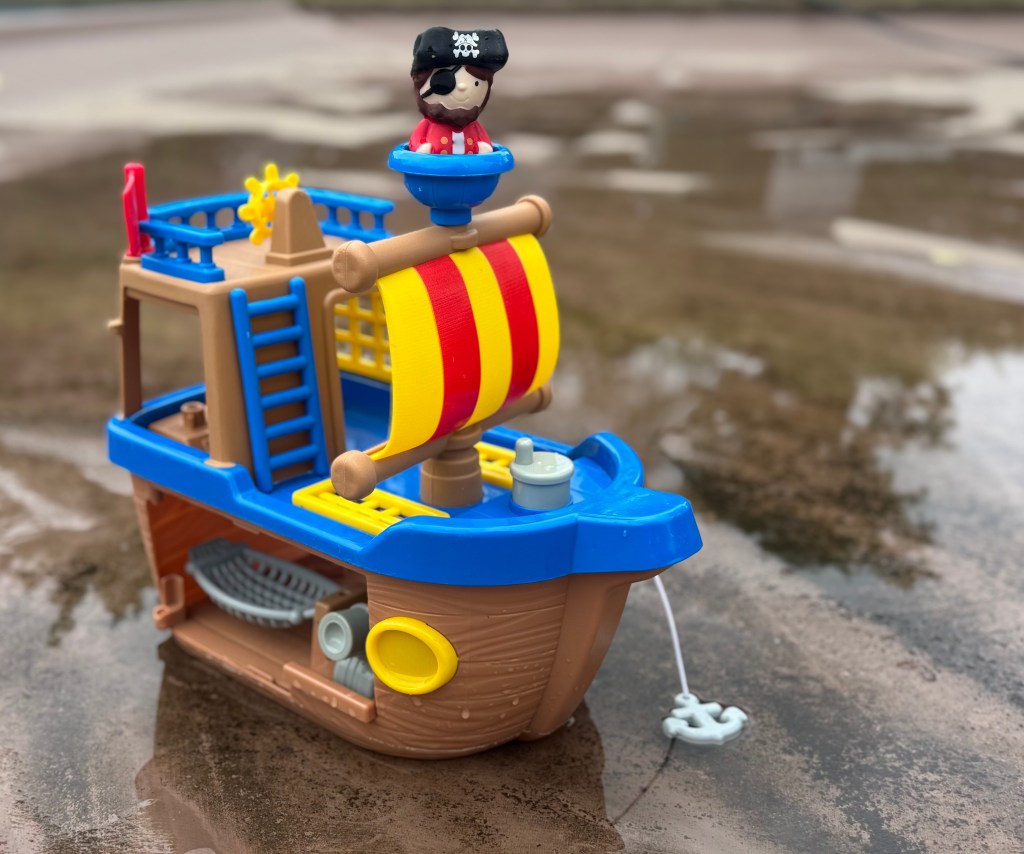
The topic: pirates, or those we perceive as pirates, while we navigate the stormy seas of life. Even more important than the pirates themselves, Lamott wrestled with how we react to the “meanness” said snarling pirates may throw our way.
The combo pack of screaming toddler, frustrated feelings remembered from a long (or maybe not so long ago) time, and two lessons on meanness in a single afternoon, led my brain to this: how many times have I been the pirate in someone else’s story?
My brain concluded, unhappily so, probably more times than I can count.
When I narrate the story of my life to myself, I trip easily from chapter to chapter of my own inadequacies (with a few anecdotes of okay-ness thrown in, too), and then we have the heavily annotated section of Wrongs Done to Poor Me.
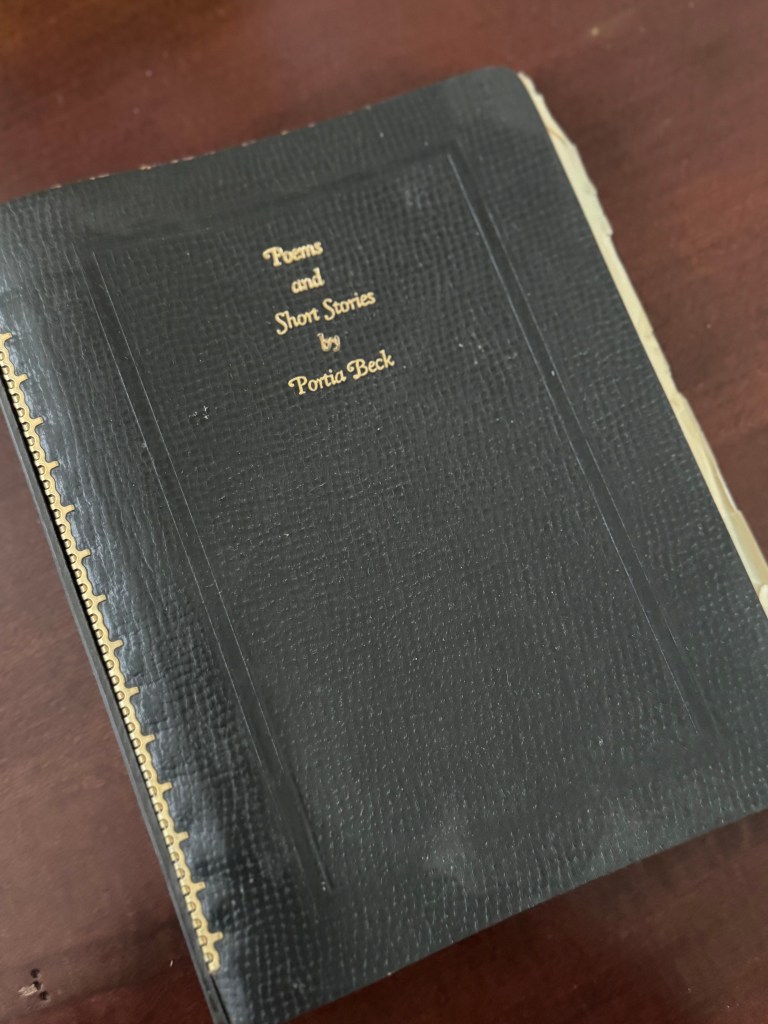
I can really get down and do some serious, storytelling wallowing in that bit, which sometimes threatens to stretch until the final page, complete with a lengthy Appendix titled One Time I Think Somebody Might Have Been Mean.
But you know what’s typically, conveniently, omitted? The multiple, thumb-tabbed sections of When I was Mean to People, subtitled: Portia the Pirate on the Not-So-High, Often Stormy, Seas of Life.
The fine folks of StoryKind postulated that meanness is born out of fear. I would agree. But I would take it one step further.
I think most of the bad stuff in the world, including fear, and regardless of age of the culprit, culture, religion, doctrine, methodology of perpetration, is born out of something we seem to have such a hard time admitting: insecurity.
A key element of the universal human condition.
If someone makes us aware, intentionally or, more often, by accident, of our own failings, our own inadequacies, do we typically return that favor with a cookie and a glass of milk? Or wine? A bouquet of brilliant blooms? Or a billboard splashing our gratitude for all the world to see?
I think not.
Still muddling around over all this bad humor and mean girl vibes, my brain zapped right back to middle school.
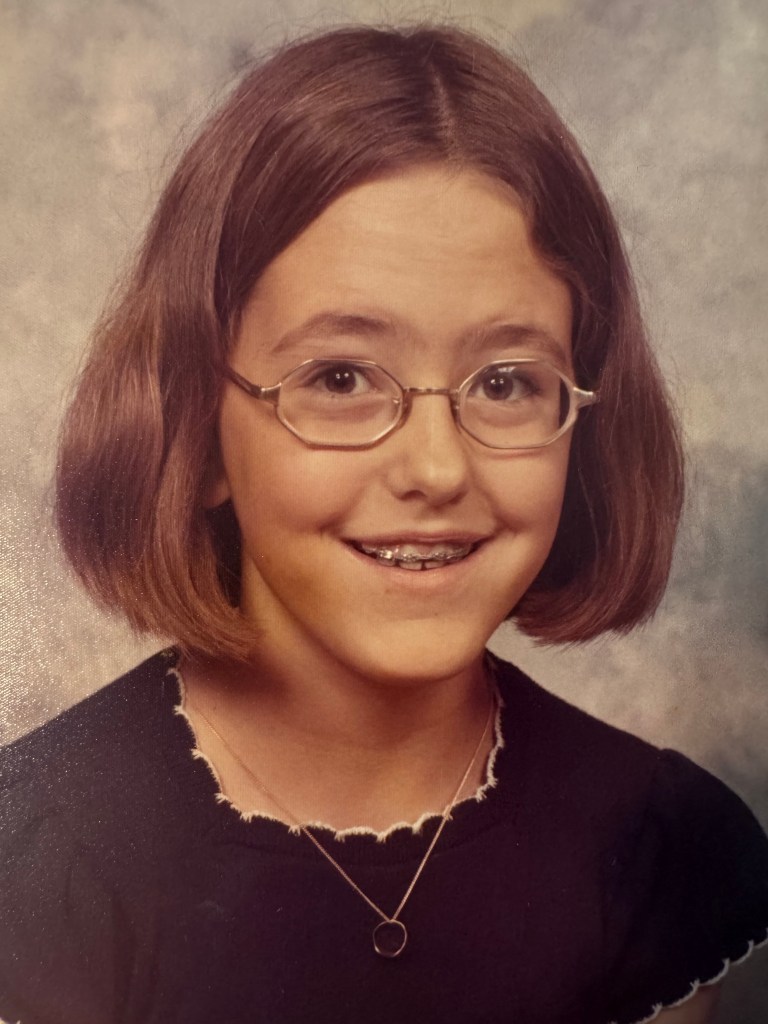
Not the zenith of my days, shall we say.
But it was, at least one can only hope, the zenith of my insecurities.
Which took me to Miss Watson’s art class.
I am not an artist. Never have been. Never will be. My stick figures beg to be amended by a steadier, better, more artistically fluent hand. But I loved that class.
Why? Not because of the stellar work I produced. It was solely because of Miss Watson.
She was one of the most creative teachers I have ever known, and within the walls of a room that was bursting with cool-ness (at least to my uncool eyes), I felt like I was on the outermost margins of cool. Maybe. For a millisecond.
We tried it all: block print; batik; painting; drawing; photography (we even developed our very own prints in the dark room she built in the closet!); screen printing; sculpture—including body casts of our classmates; pastels; tie dye; charcoal. You name it, we did it. And in the middle of all that doing and making, she managed to get some art history with some major artistic concepts drilled into our angsty, middle school, western Kentucky brains.
Most of which I have forgotten.
But I will remember her, and I will remember that classroom, forever.
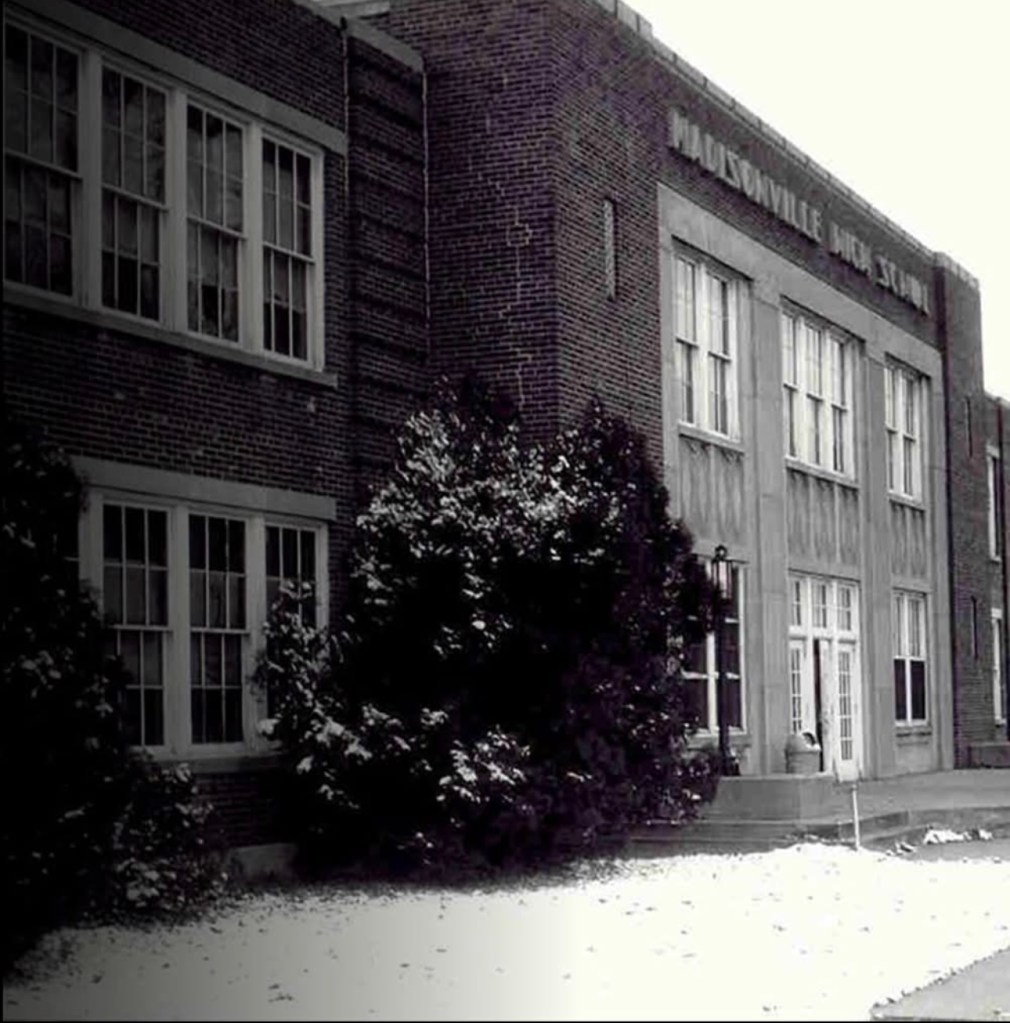
I also remember this: the day I was mean to someone whose name, the details of whose face, I can’t recall and probably never will.
I can see how the light looked in Miss Watson’s room, the exact angle and the clearness of the sun’s rays.
I can feel the presence of bodies, hormonal and hustling, filling the space in a way far greater than the number of people should allow.
And I know exactly what I was wearing, at least on my lower half.
White pants. Glowing white. Crisp and pure, exactly the way you want your white clothes to look. Maybe the first pair I ever owned since what mother in her right mind and watching her pennies lets growing kids wear white?
We had been painting. I used a soft, old, almost worn through long sleeved shirt of my father’s as an artist’s smock—how I really wished I was an artist and it was a real smock.
It was clean up time. I think.
A boy stumbled. Did someone trip him on purpose? Probably. I don’t know.
In his hand: a container of paint.
Vivid, new spring grass green, brilliant and beautiful, never-to-be-forgotten, splattered all over those crisp white pants.
People laughed. At me. At him. At the paint. I didn’t know then, and I don’t know now, what they found funny. The impetus for their laughter didn’t matter. It felt like it was me, and that was enough.
My mouth opened and I screamed. I don’t remember what, but I know it wasn’t nice. I remember the force with which those words left my body. The clench of my gut. The wish to hide—in the darkroom, under a desk, in a bathroom stall—I wanted to be anywhere other than here, this haven of cool where I knew, deep down, I would never fit.
I remember the primal desire to make him hurt. To make him pay.
Even in that moment I saw in his wide, fearful eyes a person as miserable as I.
I don’t remember his name. I don’t know who he was. But this is what I will never forget: the recognition of fear meeting fear, of insecurity bumping up against self-loathing. Instead of enemies, we should have joined hands, compatriots in our suffering, comrades in our humanity.
But we were kids. Ungainly and unformed. Unknown even to ourselves.
In that moment my lizard brain chose to make him feel as bad as I did, instead of shrugging a pubescent shoulder and saying, “No big deal”. Which would have been a lie. It was a big deal.
White pants. Unredeemable. Attention. Unwanted. Embarrassment. Unforgettable.
But, ultimately, just two kids stumbling around trying to find out who they were.
I couldn’t shrug it off then. I might not even be able to do it now.
But at least now I know that my worst impulses are those old insecurities rising up, making me less than I can and should be.
Making me feel, once again, like a failure, when the toddler screams unconsolably, no matter how many songs I sing.
Reminding me of my paint-splattered person, and the glare of adolescent eyes.
Turning me into a pirate on the stormy seas of life, unable to see the humanity right in front of me.
Unwilling to call, across the violent, cresting waves that separate us, “Ahoy, matey! Come aboard and make yourself warm!”
 Words and Pictures