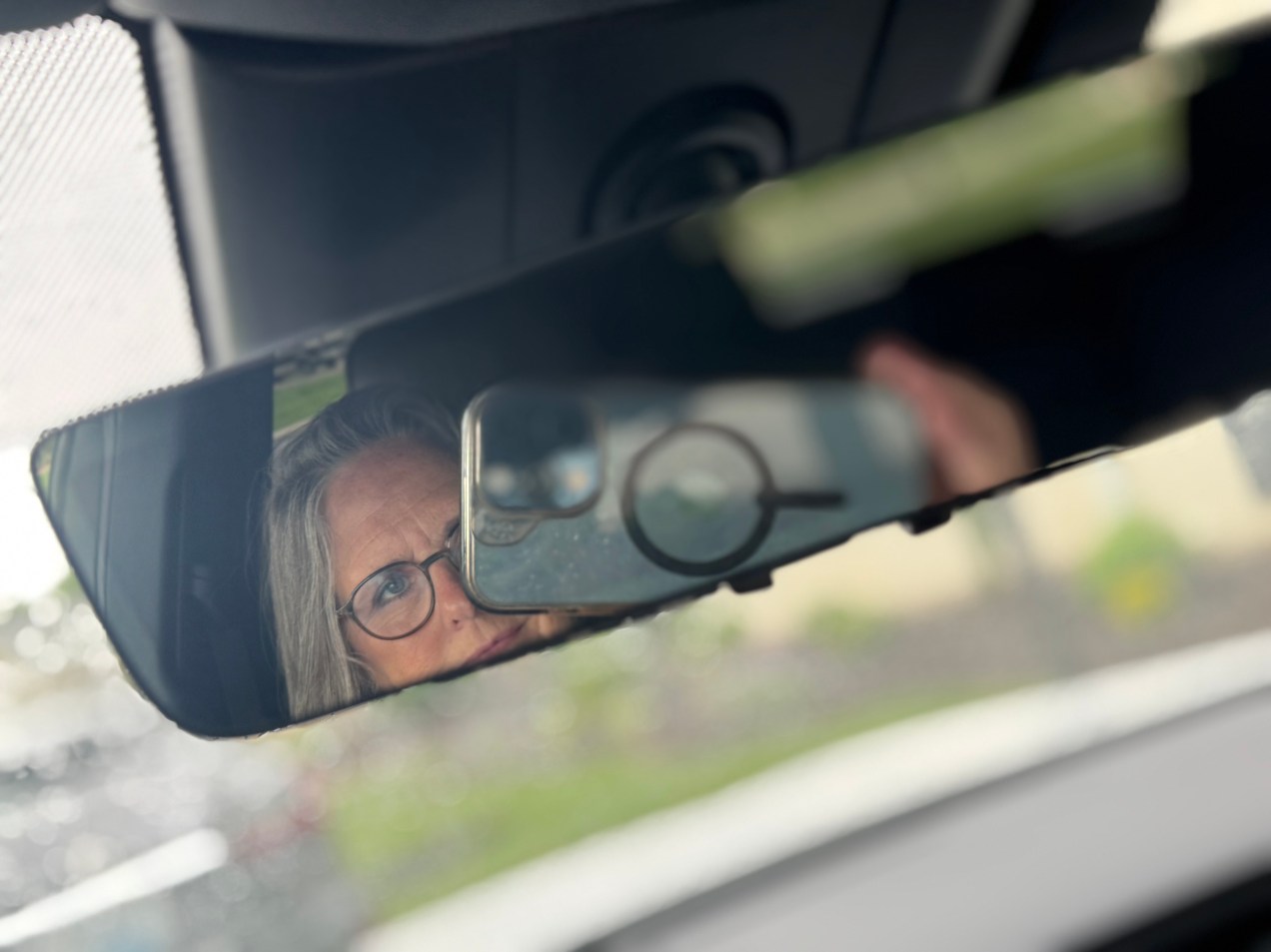
Ahoy There!

Sometimes it seems the universe conspires to nudge you in one direction when you’re already slouching toward another.

The way in which you are so confidently headed is definitely worth writing about.

Then there’s a tap on your shoulder and a voice says, “Not today.”

In the middle of an absolutely God-gifted gorgeous Sunday I drove a granddaughter northward to meet her parents. An easy hour-plus drive. Sunshine that went on forever, with the added bonus of the clearest blue sky.

The toddler in the back seat relished none of God’s good gifts. Instead she screamed the entire way, from the very moment my tires touched the interstate until five minutes before we pulled off the exit. The mantra on repeat: “Mommy, Daddy!” in ever increasing volume, complete with tears, snot, kicking, etc.

The whole toddler shebang. One with which I am five OG kids plus ten grandkids familiar.

With it came the old parental feelings of helpless frustration—the kind that could either go to tears or blind rage. In this case, well-seasoned and knowing that the end was, in fact, quite near, I succumbed to neither, but the memories were ripe with resonance as I trod those exhausted, sometimes angry, halls again in my mind.

On the return trip, unaccompanied by a toddler no saint could comfort, I listened to an installment of the StoryKind podcast with authors Kate DiCamillo and Kelly Yang. The topic, Why Are People Mean?, originated from a child’s question, emailed to these intrepid writers who take on storytelling and reading and kids’ concerns—which are, ultimately, the concerns of all humans, no matter the size.
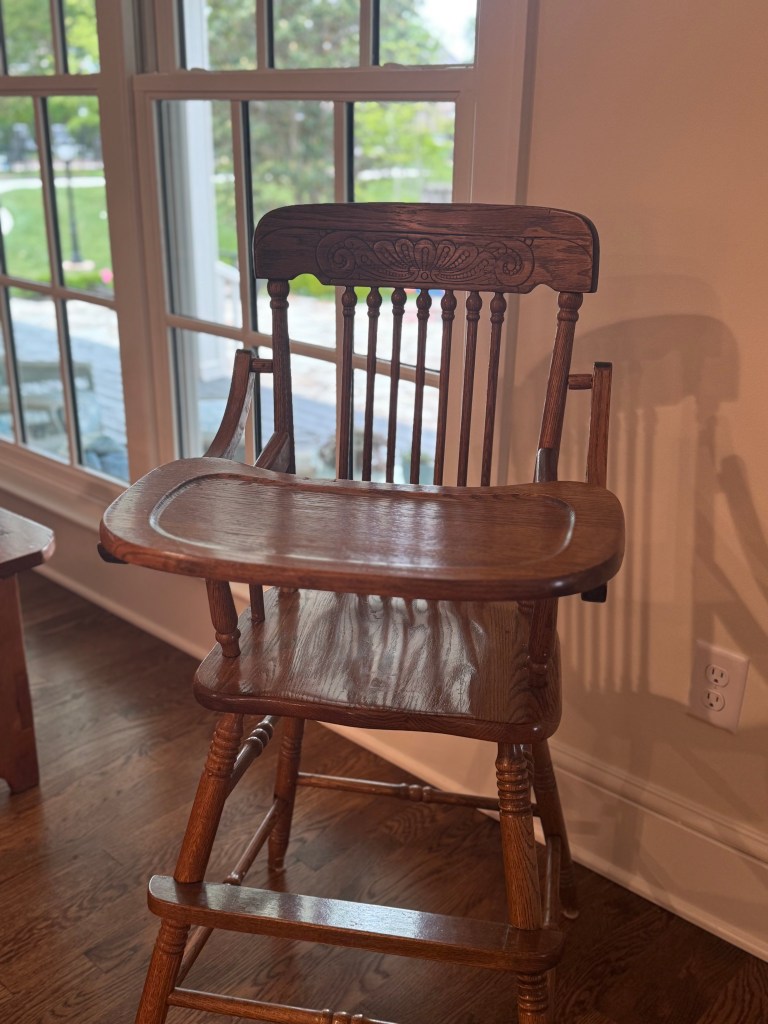
When I got home to an empty, quiet house—shockingly quiet after the vast numbers of people and conversations and tears and cheers these walls had held over the previous few days—I sat down to read a short piece by Annie Lamott in her collection, Small Victories.

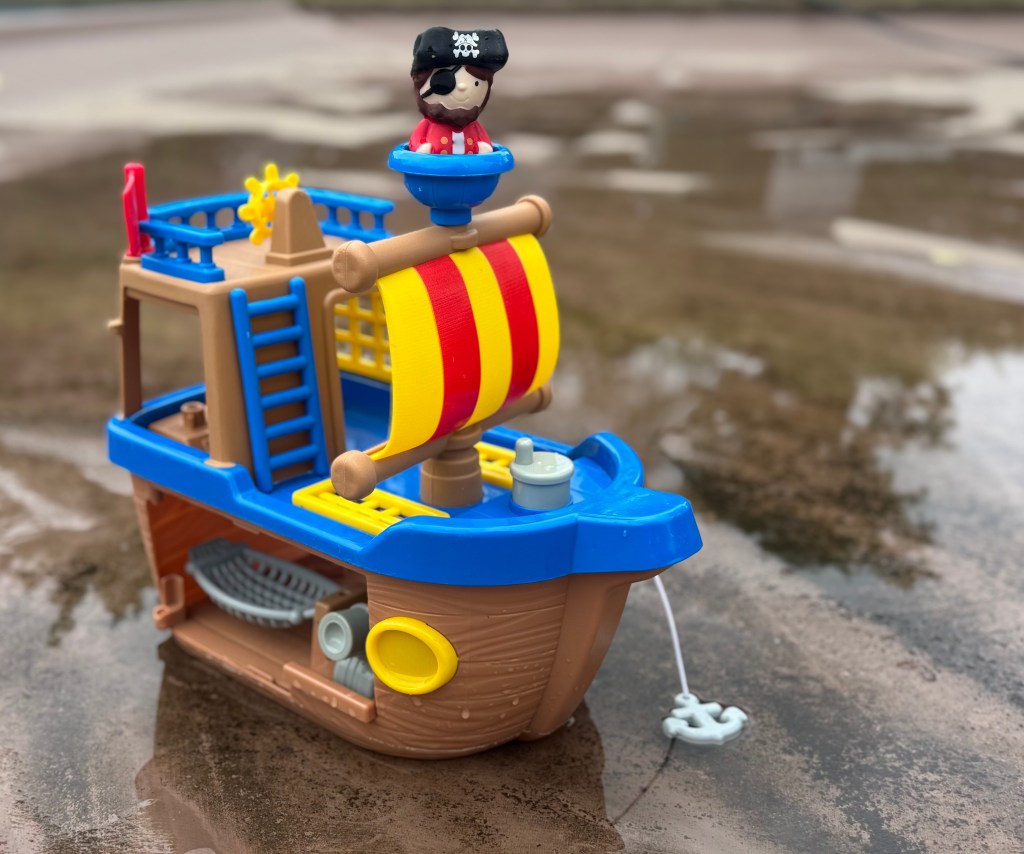
The topic: pirates, or those we perceive as pirates, while we navigate the stormy seas of life. Even more important than the pirates themselves, Lamott wrestled with how we react to the “meanness” said snarling pirates may throw our way.

The combo pack of screaming toddler, frustrated feelings remembered from a long (or maybe not so long ago) time, and two lessons on meanness in a single afternoon, led my brain to this: how many times have I been the pirate in someone else’s story?

My brain concluded, unhappily so, probably more times than I can count.

When I narrate the story of my life to myself, I trip easily from chapter to chapter of my own inadequacies (with a few anecdotes of okay-ness thrown in, too), and then we have the heavily annotated section of Wrongs Done to Poor Me.
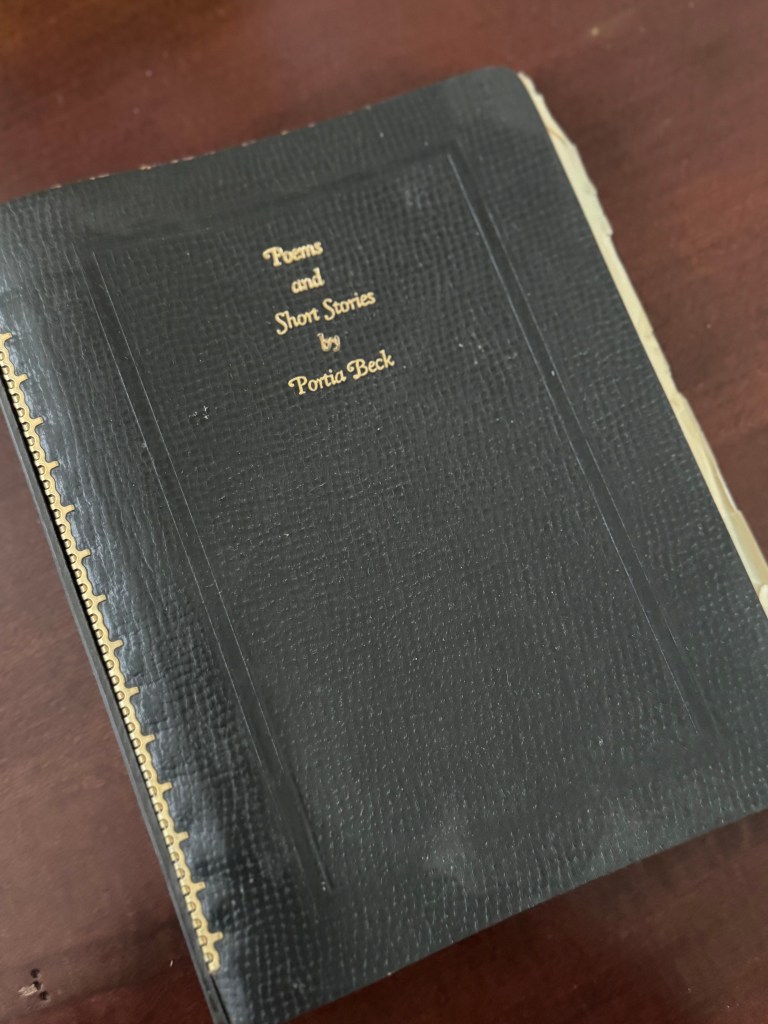
I can really get down and do some serious, storytelling wallowing in that bit, which sometimes threatens to stretch until the final page, complete with a lengthy Appendix titled One Time I Think Somebody Might Have Been Mean.

But you know what’s typically, conveniently, omitted? The multiple, thumb-tabbed sections of When I was Mean to People, subtitled: Portia the Pirate on the Not-So-High, Often Stormy, Seas of Life.

The fine folks of StoryKind postulated that meanness is born out of fear. I would agree. But I would take it one step further.

I think most of the bad stuff in the world, including fear, and regardless of age of the culprit, culture, religion, doctrine, methodology of perpetration, is born out of something we seem to have such a hard time admitting: insecurity.

A key element of the universal human condition.

If someone makes us aware, intentionally or, more often, by accident, of our own failings, our own inadequacies, do we typically return that favor with a cookie and a glass of milk? Or wine? A bouquet of brilliant blooms? Or a billboard splashing our gratitude for all the world to see?

I think not.

Still muddling around over all this bad humor and mean girl vibes, my brain zapped right back to middle school.
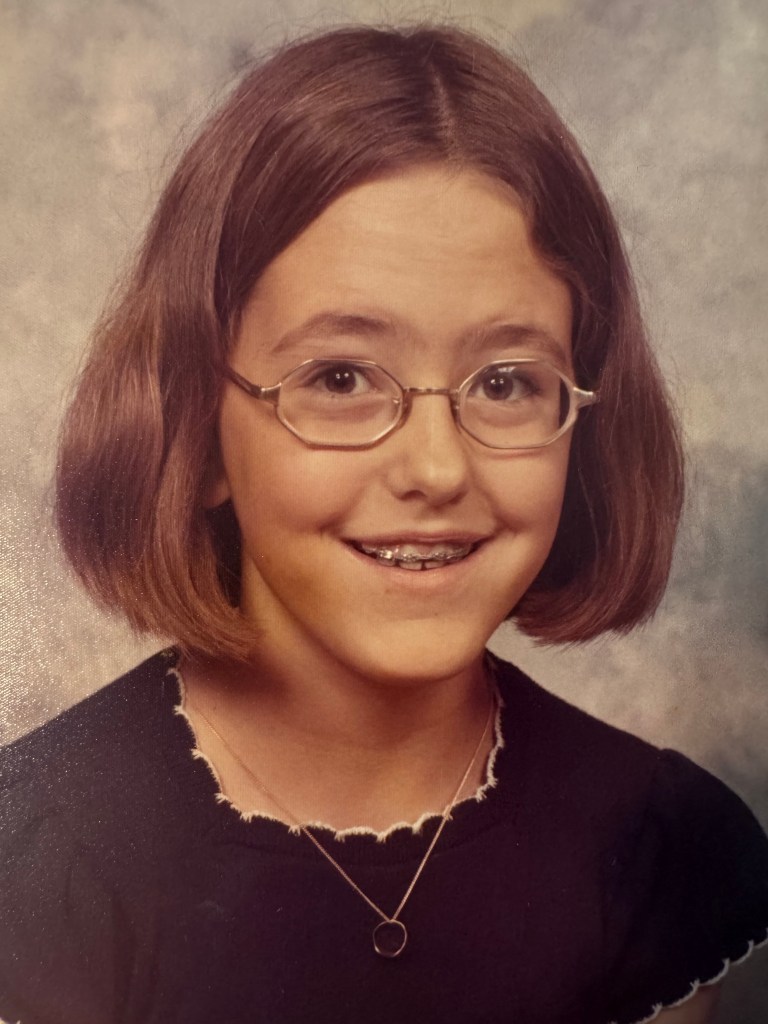
Not the zenith of my days, shall we say.

But it was, at least one can only hope, the zenith of my insecurities.

Which took me to Miss Watson’s art class.

I am not an artist. Never have been. Never will be. My stick figures beg to be amended by a steadier, better, more artistically fluent hand. But I loved that class.

Why? Not because of the stellar work I produced. It was solely because of Miss Watson.

She was one of the most creative teachers I have ever known, and within the walls of a room that was bursting with cool-ness (at least to my uncool eyes), I felt like I was on the outermost margins of cool. Maybe. For a millisecond.

We tried it all: block print; batik; painting; drawing; photography (we even developed our very own prints in the dark room she built in the closet!); screen printing; sculpture—including body casts of our classmates; pastels; tie dye; charcoal. You name it, we did it. And in the middle of all that doing and making, she managed to get some art history with some major artistic concepts drilled into our angsty, middle school, western Kentucky brains.

Most of which I have forgotten.

But I will remember her, and I will remember that classroom, forever.
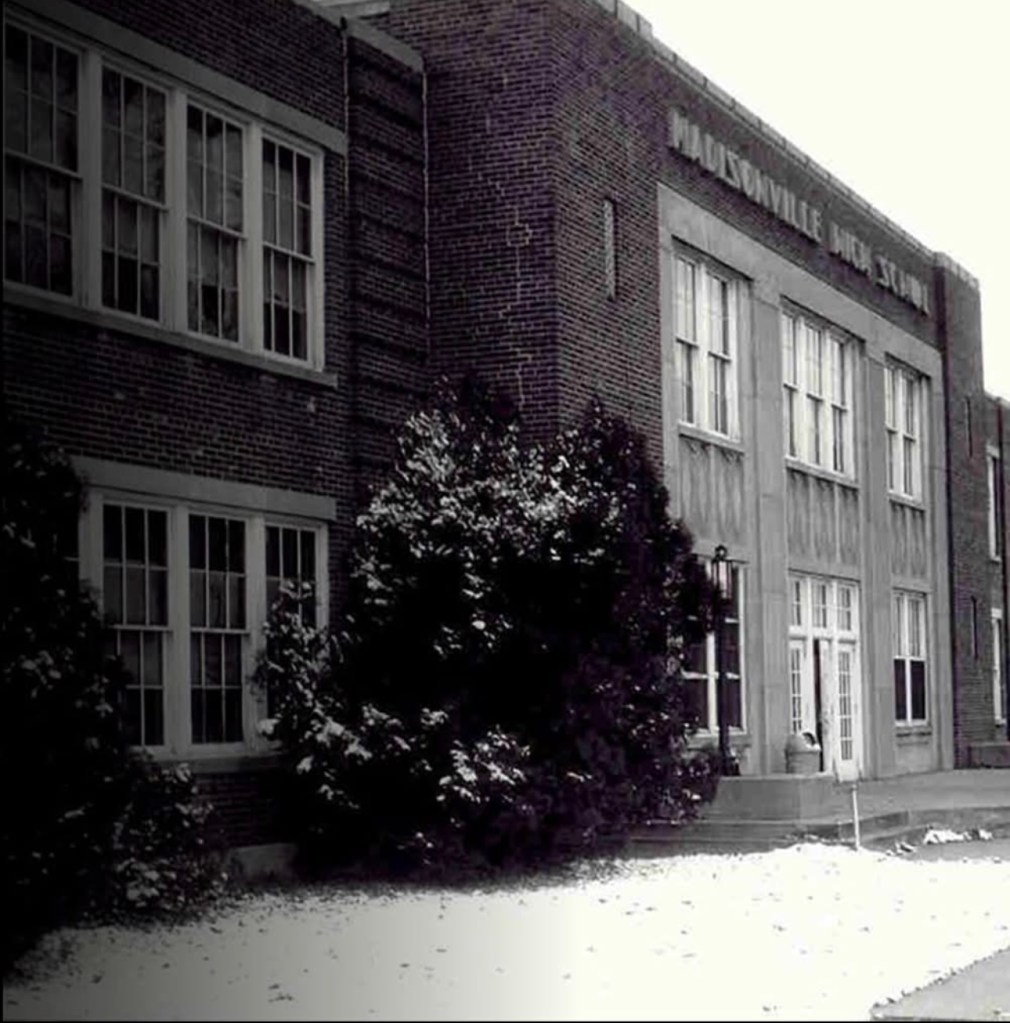
Browning Springs Middle School (formerly Madisonville High School)

I also remember this: the day I was mean to someone whose name, the details of whose face, I can’t recall and probably never will.

I can see how the light looked in Miss Watson’s room, the exact angle and the clearness of the sun’s rays.

I can feel the presence of bodies, hormonal and hustling, filling the space in a way far greater than the number of people should allow.

And I know exactly what I was wearing, at least on my lower half.

White pants. Glowing white. Crisp and pure, exactly the way you want your white clothes to look. Maybe the first pair I ever owned since what mother in her right mind and watching her pennies lets growing kids wear white?

We had been painting. I used a soft, old, almost worn through long sleeved shirt of my father’s as an artist’s smock—how I really wished I was an artist and it was a real smock.

It was clean up time. I think.

A boy stumbled. Did someone trip him on purpose? Probably. I don’t know.

In his hand: a container of paint.

Vivid, new spring grass green, brilliant and beautiful, never-to-be-forgotten, splattered all over those crisp white pants.

People laughed. At me. At him. At the paint. I didn’t know then, and I don’t know now, what they found funny. The impetus for their laughter didn’t matter. It felt like it was me, and that was enough.

My mouth opened and I screamed. I don’t remember what, but I know it wasn’t nice. I remember the force with which those words left my body. The clench of my gut. The wish to hide—in the darkroom, under a desk, in a bathroom stall—I wanted to be anywhere other than here, this haven of cool where I knew, deep down, I would never fit.

I remember the primal desire to make him hurt. To make him pay.

Even in that moment I saw in his wide, fearful eyes a person as miserable as I.

I don’t remember his name. I don’t know who he was. But this is what I will never forget: the recognition of fear meeting fear, of insecurity bumping up against self-loathing. Instead of enemies, we should have joined hands, compatriots in our suffering, comrades in our humanity.

But we were kids. Ungainly and unformed. Unknown even to ourselves.

In that moment my lizard brain chose to make him feel as bad as I did, instead of shrugging a pubescent shoulder and saying, “No big deal”. Which would have been a lie. It was a big deal.

White pants. Unredeemable. Attention. Unwanted. Embarrassment. Unforgettable.

But, ultimately, just two kids stumbling around trying to find out who they were.

I couldn’t shrug it off then. I might not even be able to do it now.

But at least now I know that my worst impulses are those old insecurities rising up, making me less than I can and should be.

Making me feel, once again, like a failure, when the toddler screams unconsolably, no matter how many songs I sing.

Reminding me of my paint-splattered person, and the glare of adolescent eyes.

Turning me into a pirate on the stormy seas of life, unable to see the humanity right in front of me.

Unwilling to call, across the violent, cresting waves that separate us, “Ahoy, matey! Come aboard and make yourself warm!”
Standard

Lemonade

Last Sunday afternoon landed me smack in the middle of an interesting (at least to me) intersection.

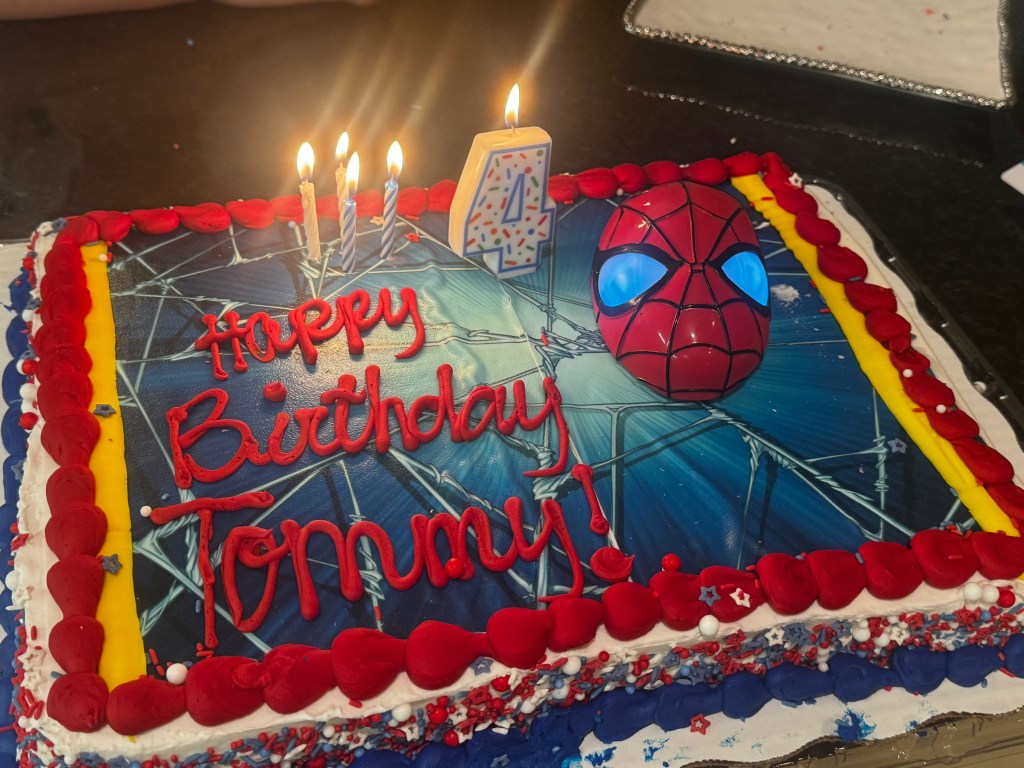
Because we both were working on different ventures in different locations and had to miss the Friday night soiree of the century, my husband and I delivered some Spiderman accoutrement to our four-year old grandson to augment his already impressive collective of Spiderman cars, clothing, racetracks, fastest-shoes-on-the-planet, and now, beach towels.

Post-visit we were out tootling around when we ended up in a conversation with someone we had never met about drug sales.

Legal drug sales. The kind of drugs that save lives.

The seller in question is a born and bred rural Kentucky guy. In his early twenties life took an unexpected turn. A baby was on the way, so he dropped out of school and went to work (responsible rural Kentucky guy).

Years later he made it back to school and got his degree at the now ripe old age of thirty-something.

He wound up in pharmaceutical sales for a large company (one whose name you would know if I could remember it). And he’s still at it, even though he’s older than we are, which means legitimate retirement age.

The drug he sells is for a handful of patients in the world. People who suffer from an aggressive, multiple mutation form of leukemia that is tough to cure. He knows the people he calls “his” patients by name and location. Knows where they are in their treatment. Knows when he loses one.

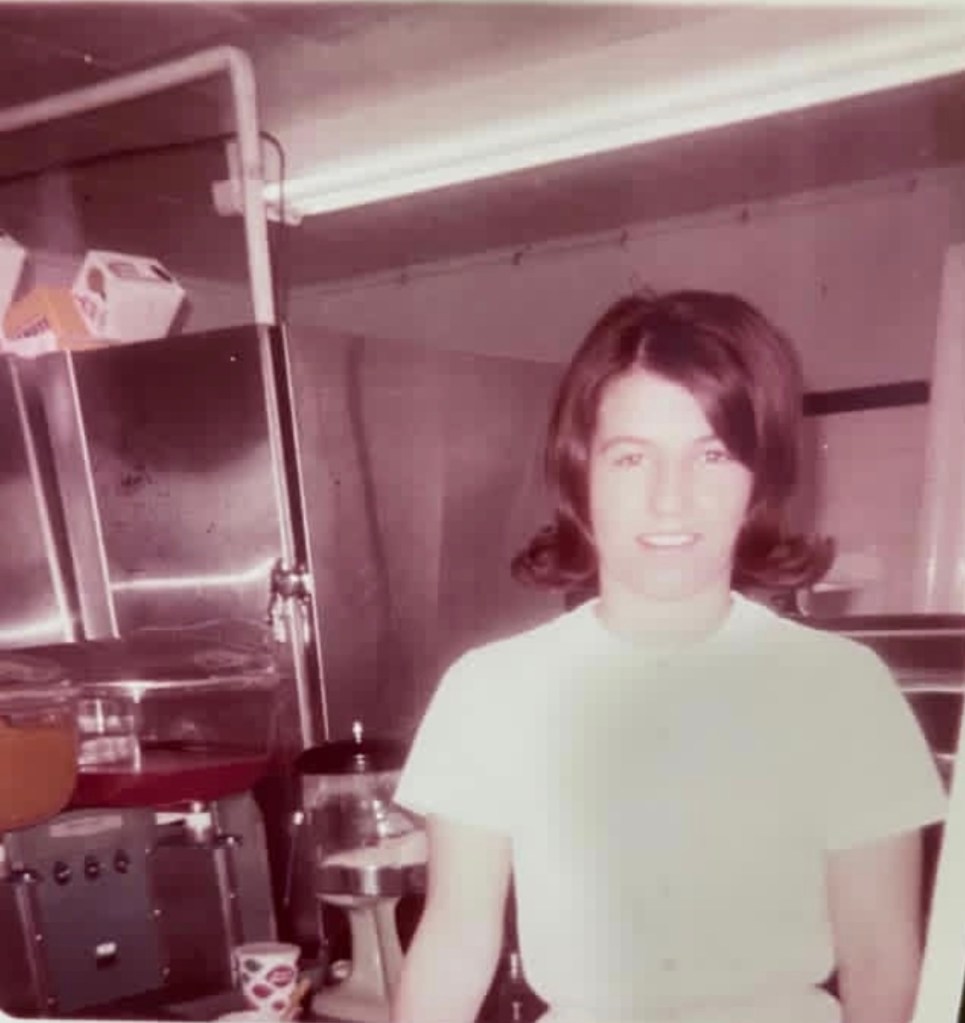
The whole time we were talking I was thinking about my sister-in-law. She was beautiful, brunette, funny, could belch like a truck driver, and had the sweet sense of humor of someone you like to have around.

Valerie (16) at Dairy Queen, Madisonville

And we lost her way too young (forty-one) to, you guessed it, leukemia. I can’t remember her diagnosis but I know she had two kinds. Aggressive. Thirty-five years ago they joined forces to do their untimely number on her.

We said goodbye to our sales rep and turned the corner to see a red pickup truck in our driveway. Guess who it was?

Our brother-in-law, who lives ninety miles away. The patient partner who lost his wife thirty-five years ago to leukemia, come to town to see his daughter and grandchildren, but stopped to see my husband.

Laughter, backslapping, a few jokes, then he pulled out of the driveway en route to a family lunch. And I was thinking about drugs, disease, and losing people we shouldn’t have to lose. Not yet.

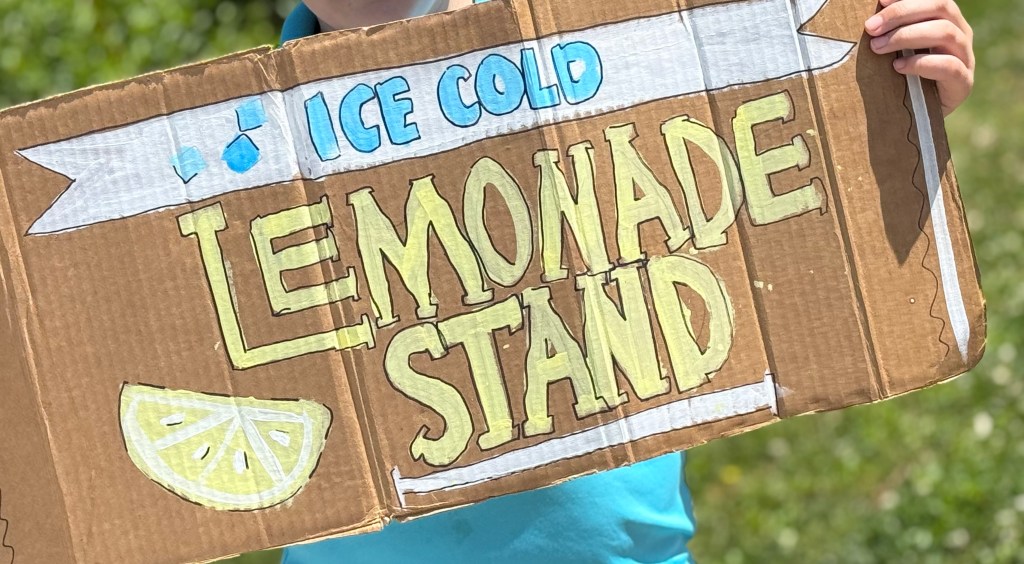
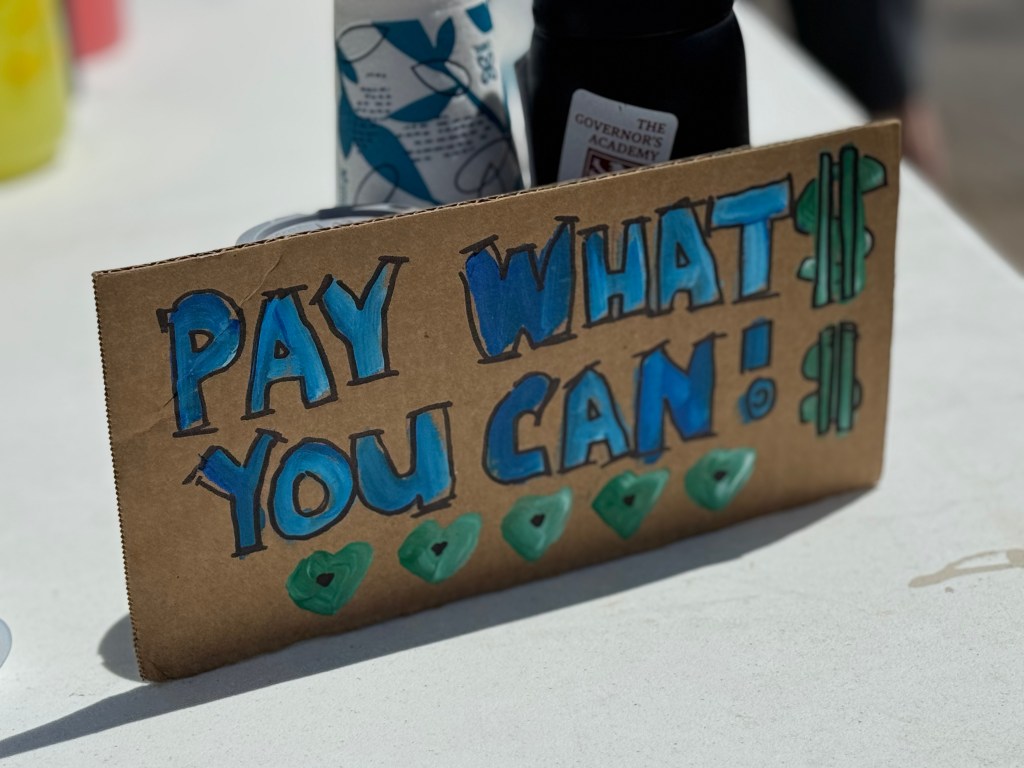
Later, I went for a walk. Before I had gone even half a mile I came across two enterprising young fellows selling lemonade.

I’m always a sucker for young entrepreneurs and believe it or not, had a little cash in my pocket (something which never occurs). I bought a cup and had another conversation.

This time about an eighth grader’s choice of reading material.

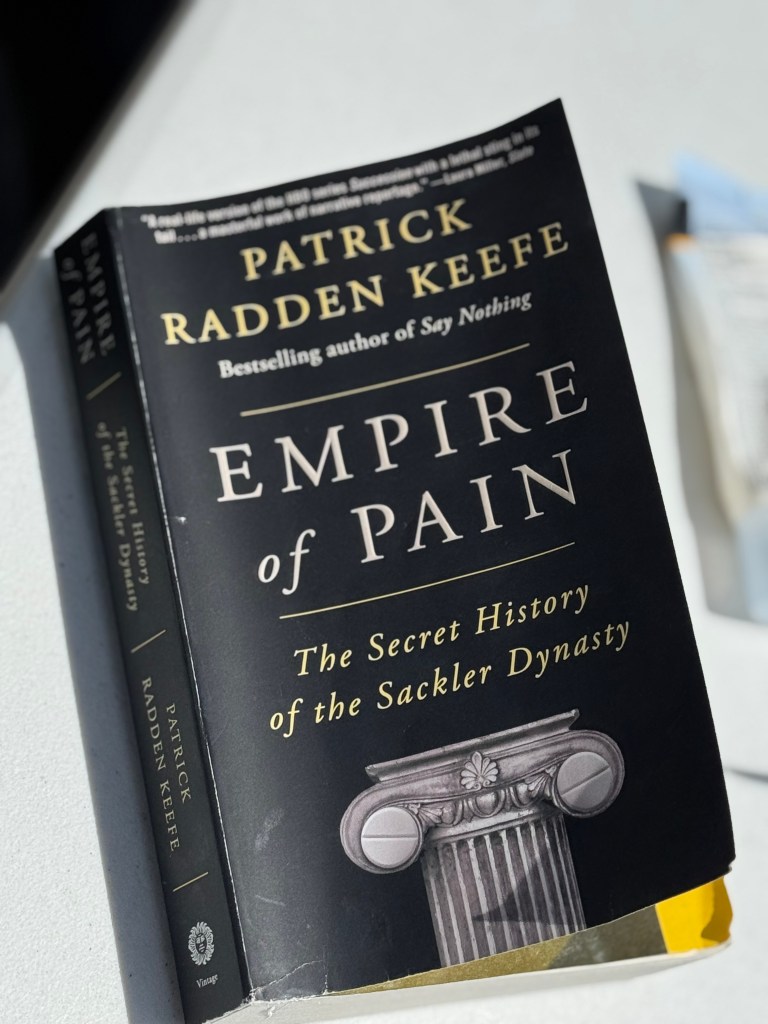
I was drawn to the cover immediately because I could tell it was non-fiction. What eighth grader willingly chooses to read non-fiction?

This one does.

I said, “Oh, hey! Isn’t that about the drug people?”

He smiled in the affirmative. I asked how it was and he said “Pretty interesting,” and I thought, yeah, I’m sure it is. Very interesting, and, most likely, frightening.

I bid them farewell and headed off on my way, thinking again about drugs and disease and the people who sell those drugs.

I know enough to know the Sacklers are considered evil.

I know enough to know they may very well be.

And I also know I wish my sister-in-law could have had that drug thirty-five years ago.

Would it have targeted her disease? I don’t know what I don’t know about drugs and disease and how it all works.

Should the rest of us pay the price for a drug that only impacts a handful of people worldwide?

Not touching that one with a ten-foot pole.

Should drug makers make money? Yeah, some. Billions? Probably not.

Should the decision makers make better decisions about how that world of drug research, manufacture, and sales is regulated? You bet.

But I know one country boy from Kentucky who has made a good life and cares for every single one of the people who use his drug.

I know of one girl from small-town Kentucky I wish had better drugs a long time ago.

And, I know two kids out making some money on a sunny Sunday afternoon with big plans to contribute to our local economy when they buy “clothes and hats and maybe some shoes”.

At least one of those kids is a thinker and a reader and a doer, and that gives me a lot of hope.

Standard

Once Upon a Time in Bowling Green

Tonight all I can see is the mug shot of a young man, an 18-year old kid I do not know. And it feels impossible.

            Last Thursday, a few short blocks from where I now sit at my desk, he unloaded over forty shots at another young man.

            It was 9:30 pm. Still early in my book—sometimes I may even be out with the dog, my Army-issue reflector belt (a gift from my safety conscious son-in-law) aglow in the passing headlights.

Thursday night the unbelievable, undeniable, now forever saved to Twitter, sound of gunshots filled the cool night air.

            Our neighborhood Facebook group erupted with well-founded cries of dismay, fear, even despair, at what has become of our treelined streets, of our town, of our world?

            Thankfully the intended victim was merely wounded in the foot—bad aim, adrenaline shaky fingers, a drug-addled shooter—I don’t know what saved his life.

But I do know another life ended: that of the boy in the mug shot.

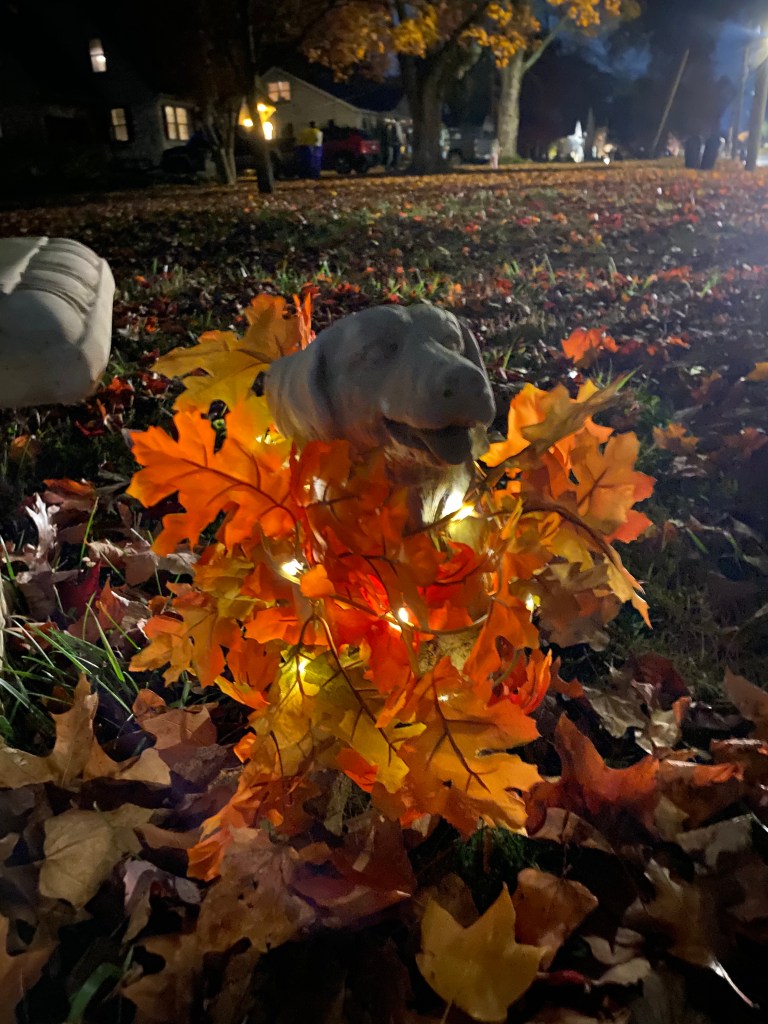
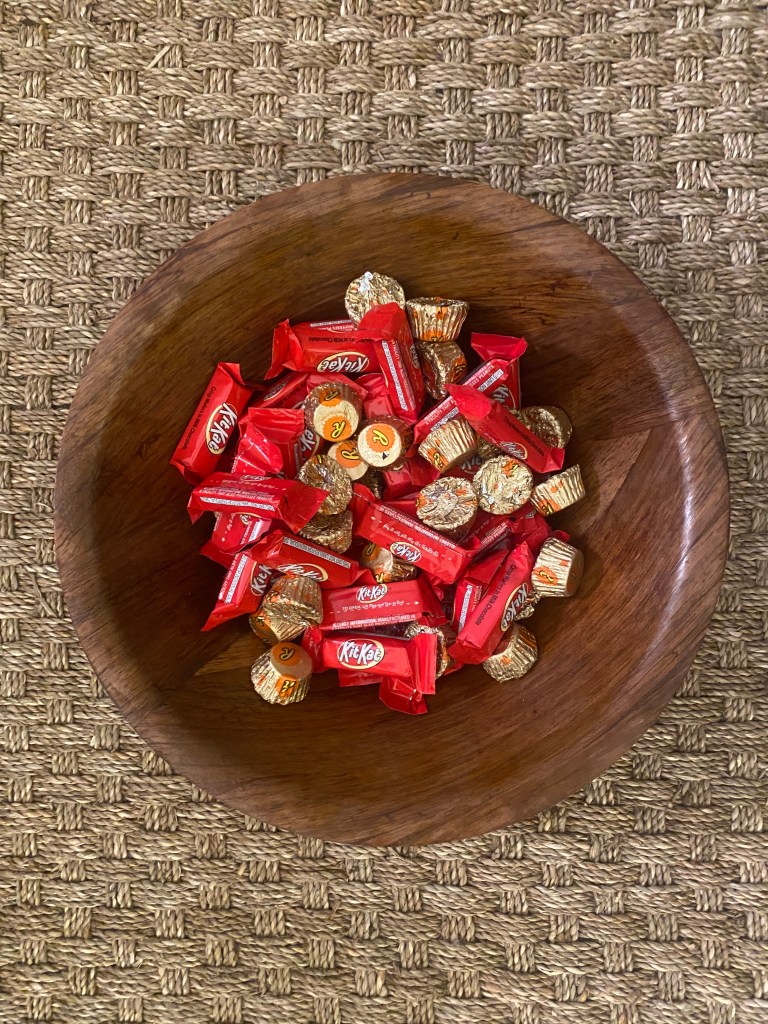
            Just a few years ago he could have been trick-or-treating at my door. I would have commented on his scary Scream mask, or his vampire teeth, or his weird pumpkin head, while I tossed Ring Pops and tiny candy bars into his crumply plastic grocery sack.

            One of the very kids I saw this Halloween could be the one holding the gun a few years from now.

            What happens in between? How does a kid go from trick-or-treater running door to door, to a shooter riddling a brick ranch house with bullets?

            And what are we doing, or not doing, to raise these kids over and over and over again.

Once, quite a while ago now, we sat at our dining room table in the middle of a sunny day. Not where we would typically be found.

            Across from us, a couple struggling to find their footing. Convinced there was an easier way. Certain, for whatever misguided reason, that we might have the answer.

            At one point, after several suggestions, ideas, offers of practical assistance including transportation to and from GED classes, one of our visitors said that no one on our road had struggles as hard as theirs.

            Her comment sat for a moment in a room that still vibrated with distress, ours and theirs, and a myriad possibilities for escape.

            Then my husband said, “That just is not true.” In a matter of seconds he paid homage to the suffering in each home within actual sight of that room—and that was just what we knew about.

            None of it mattered then and it probably wouldn’t matter now. Where we choose to see the impossible, many times that is all we will see.

            Sometimes that is all we can see.

            This afternoon, the type of golden October day when everything should seem possible, I talked with my friend, a 25-year veteran teacher, about that mug shot. About the kid he once was and the young man he has become.

            We talked about what seems impossible. Breaking the cycle. Seeing the signs. Reaching the heart. Saving the soul. In quite literal terms, saving the kid.

            We had no answers.

            I have no answers.

            Every time I see a mug shot in the paper, even those of perpetrators of the worst crimes, I see the kid behind the deadened eyes. I see the chubby little face and the wide-eyed hopeful grin at my door.

            I see a kid who didn’t get what he or she needed.

            Maybe they never spent a night without fear. Or slept in a clean bed. Or if they had a clean bed, maybe it was violated.

            Maybe they never knew where their parents were. Or their house was filled with silence.

            Or worse.

Maybe they needed a grown-up, at least one, to act like a grown-up.

Maybe they never got to skip down a country lane in October wearing fairy wings, believing anything, anything, is possible.

Standard

Good Stuff

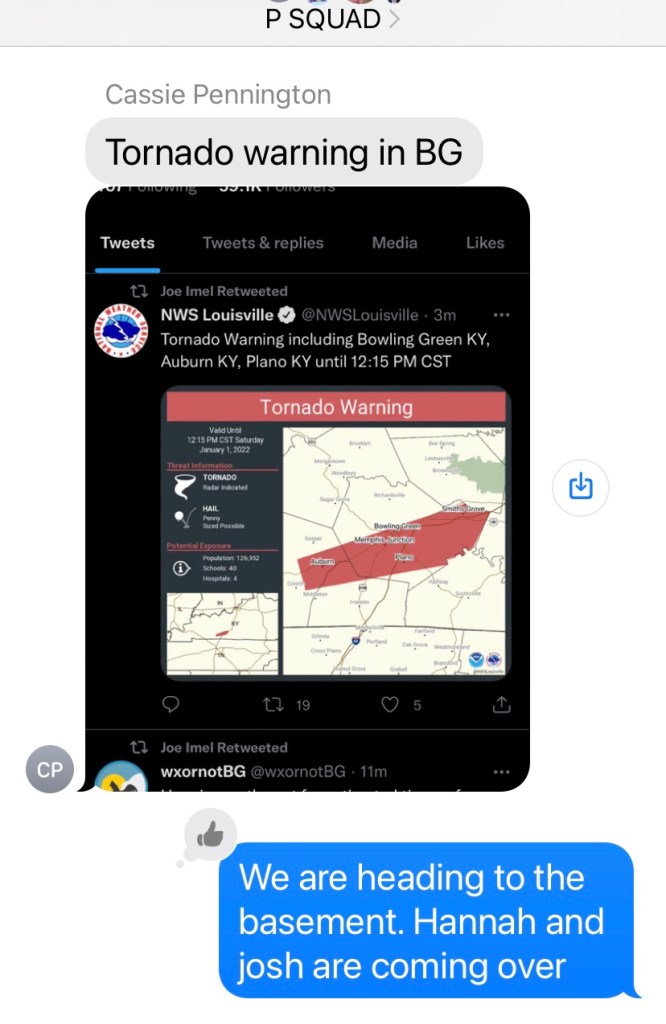
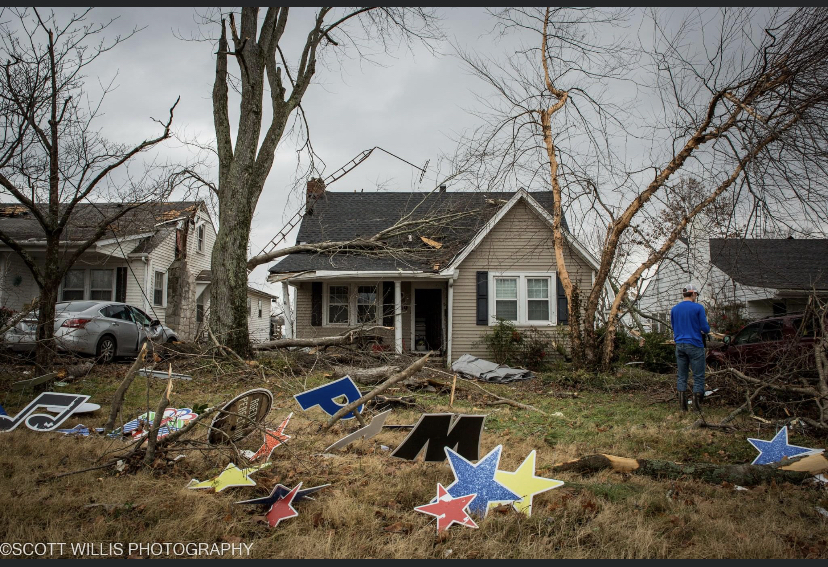
Boy howdy, we sure can blast into the new year…just whip up another tornado and kick the 2021 holiday season to the curb with real style.  

Mid-day Saturday, January 1. Should have been an average, post-New Year’s Eve afternoon with sale shopping, football watching, maybe a burrito. 

Instead, PTSD was popping off people like sparks on a live wire. Phones buzzed. Facebook groups blew up.

It was fast and, fortunately, covered far less ground than our December 11 debacle, but when the photos started filling up our feeds we knew it was unbelievably true.

Follow up that adrenalin surge with a Sunday full of sleet and freezing rain. A winter’s worth of dull, cold, wet gray in one afternoon.

But today we had sunshine. Blessed sunshine.

So, for the first time in at least a month, I walked my usual route. A route that was fortunately, miraculously, somewhat spared. By going the usual way I had, unintentionally, saved the worst for last.

When I round this final corner I’m heading for home, on the last leg of a four mile trek. Every single time I pass by I think about the person, or people, who live in this house on that corner. I don’t know them. For some reason I’ve always thought they were older, although these days that word is a highly relative term.

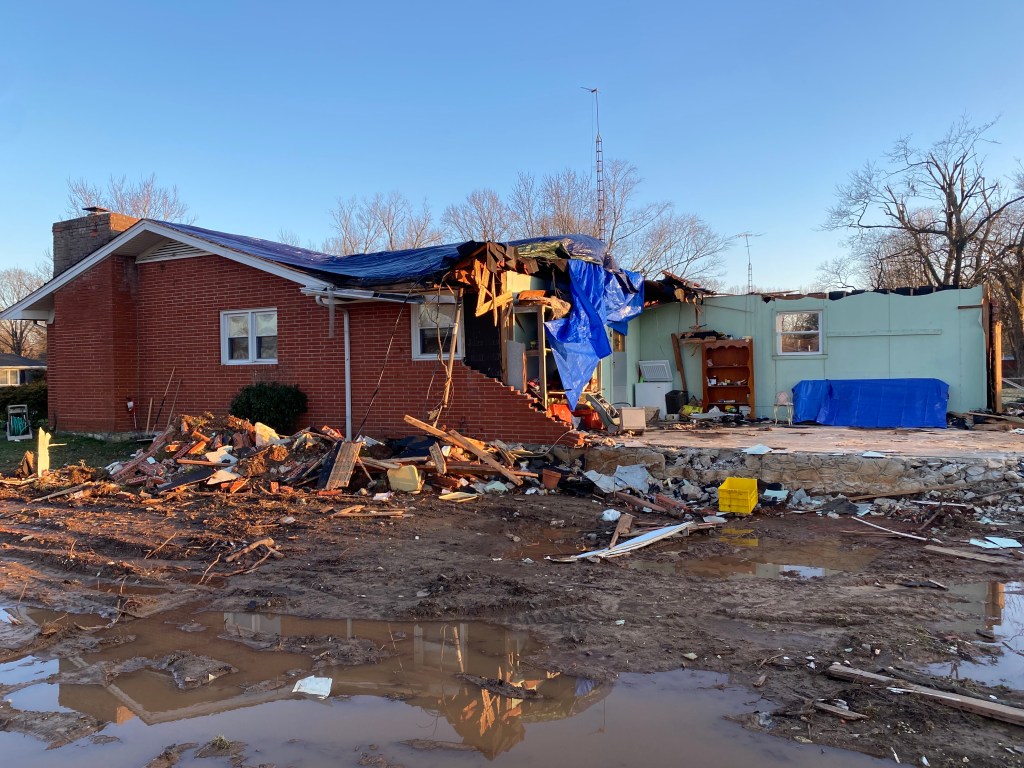
I had not seen this corner in post-tornado daylight until this afternoon. It took my breath away.

This little kitchen. That little cabinet. Those sturdy little shelves. 

There used to be a window over what would have been the sink, where my imaginary woman would have busied herself in hot, sudsy water. Sometimes a red glow spilled out from that window onto the darkening world: an illuminated WKU sign that never failed to make me smile, because I thought about the woman in there at that sink who will be a Hilltopper until the day she dies.

My sunny day spirits sank right into that puddle of muddy water. There was no hiding it: our small spot here on planet Earth is forever changed. 

I stood there, rooted on that muddy sidewalk, for a good long while. 

But I still had a mile to go, so go I did. 

The walking wasn’t as easy now. The going not so pleasant. I began to wish I had just stayed put, indoors, where the real world was easier to forget.

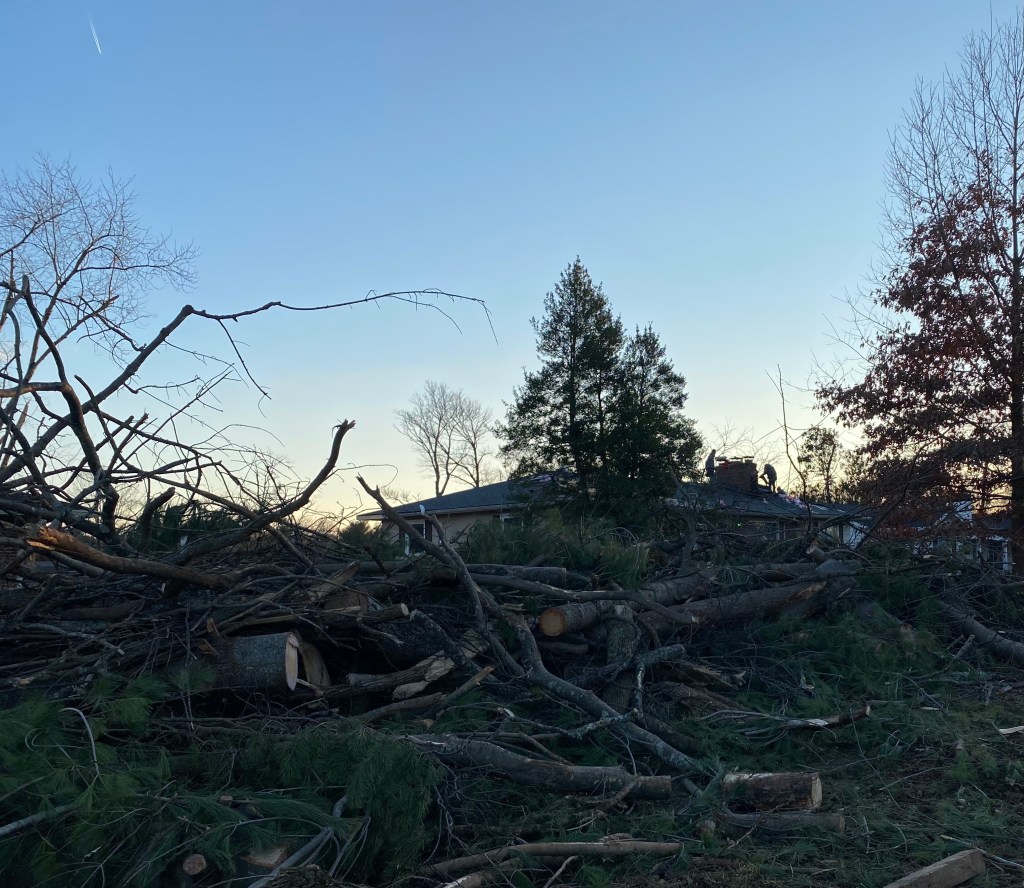
Then I saw them. These men, their vests a tropical brilliance in our wintry, storm-scarred landscape, two huddled on the ground in a nest of debris, one perched high in the branches of what was left of our trees. The sun touched them and the light winked back at me.

Then, a single chair, facing the mother of all chairs, a tree that has done her due.

And then, thankfully, the singular sound of progress after a storm. Rooftop voices in casual conversation, the silhouette of backs bent to labor, the steady, confident ping of hammer on nail.

Almost home now. The light fades. A man stands by the bed of his truck, makes some notes in his phone, loads his extension ladder.

I have to watch my step–no easy going here–dodging cables as thick as my wrist, weaving in and out of debris, end-of-day commuters, bags of sodden things no one wanted to discard.

Then I see this.

An insulator, embedded in dirt, far-flung from its place in the sky. When my husband was a boy in western Kentucky he collected them, some naval blue, some earth brown, some watery turquoise. The sight of it is familiar to me, in a way that feels like home.

I pick it up. Its weight is steady. It feels good and right in my hand.

My pace quickens, my feet move more surely.

Moments ago I was ready to forever change my route. There are other, less painful ways to clock four miles.

But then I would miss the good stuff that comes after the storm.

Standard

After a Tornado 

Some of the Things I am Grateful For

My husband.

Our children.

The people they married.

Their children.

The children they will have some day.

The children they will never have.

Our bonus boy.

Shingles that hold.

Good socks.

Shoes that lace up tight.

Old friends.

New friends.

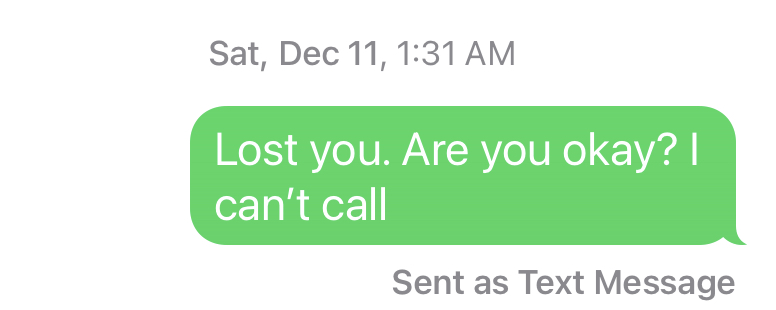
The voice on the phone when service comes back.

Text messages.

DMs.

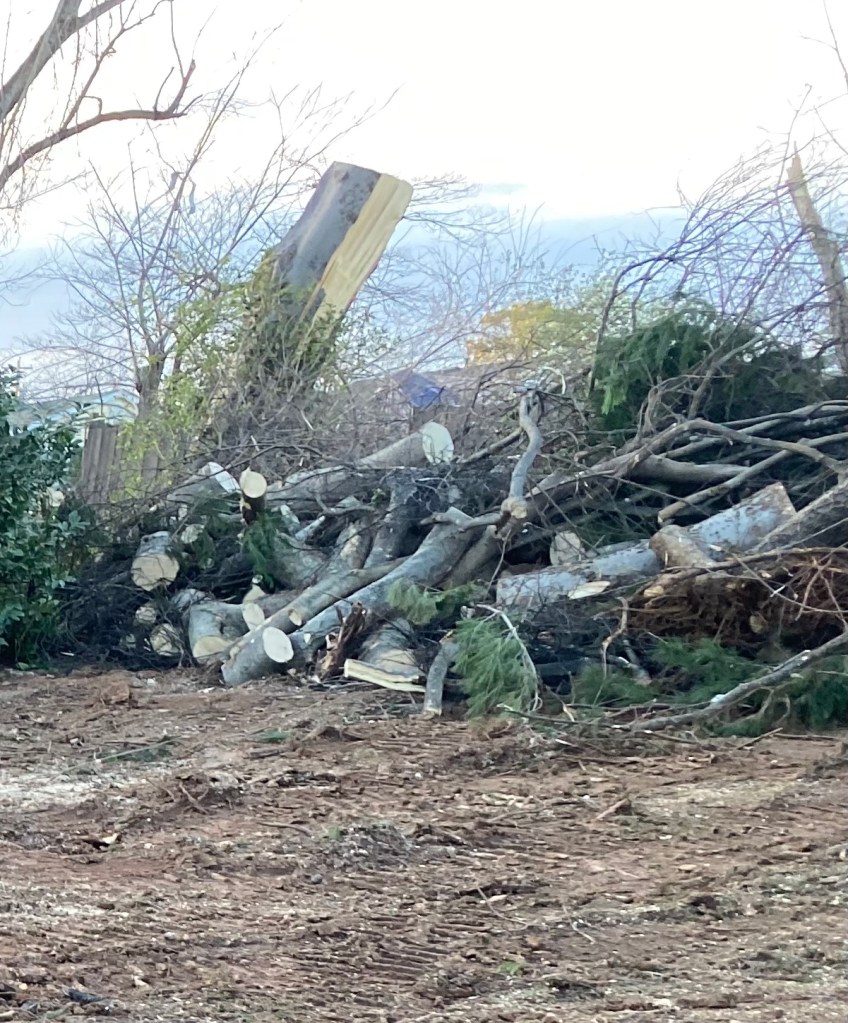
Chain saws.

Flashlights that work.

Hot tea.

Diet Coke with ice and a straw.

Peanut butter cookies.

Our Governor.

Buff-clad Guardsmen seeing things I cannot see.

Doctors.

Nurses.

Helicopter pilots.

Truck drivers.

Giant blue tarps.

Chain saws.

Cases of water on a dark street corner.

Bobcats, driven by people we have never met.

Foundations that hold.

Music.

Infrastructure strong enough to keep going.

Police.

Firefighters.

EMS.

People in work boots.

Hands in work gloves.

Sunshine the day after.

A waving Santa.

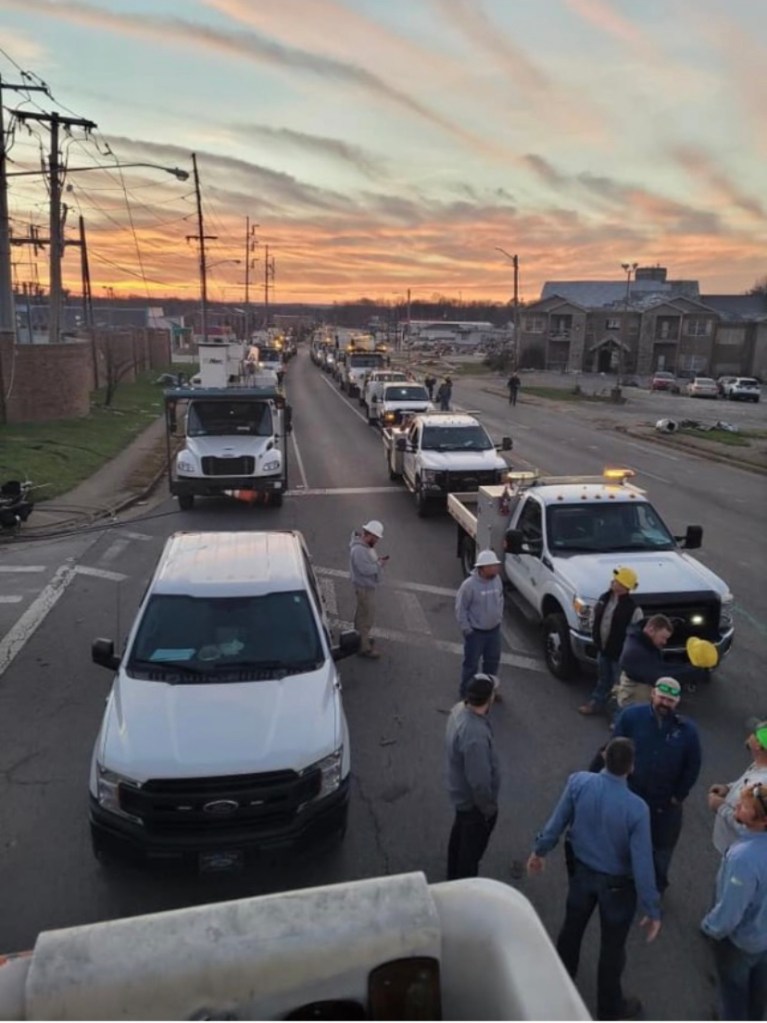
Linemen.

My husband.

Our children.

Churches.

Food trucks.

Tears.

Laughter.

Inside jokes.

Outside voices.

Local weathermen who stay the course.

Local radio who walk it with us.

No politics.

True love.

Neighbors.

Trees.

Grief.

Joy.

Memories.

Waking up.

Going to sleep.

Linemen.

Generators.

Chain saws.

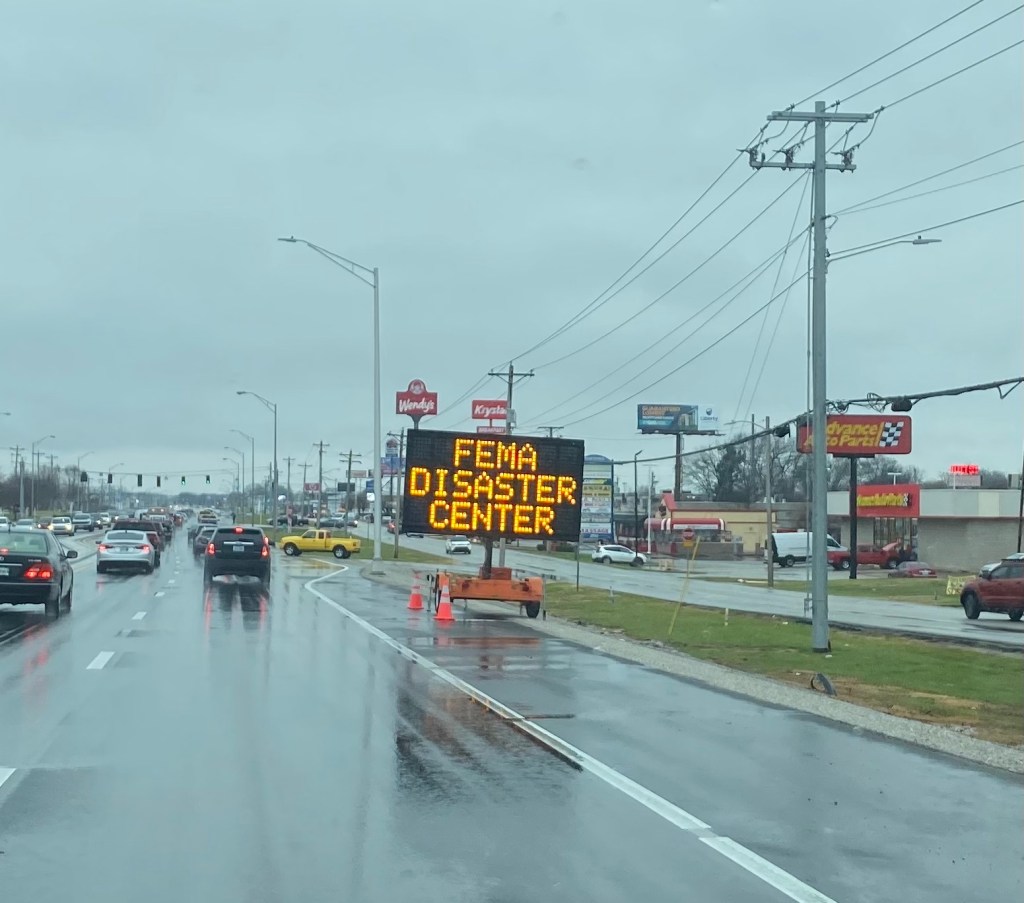
FEMA.

Churches.

The paper boy.

Stories of people I know doing work that matters.

Old people.

Babies.

Memories.

Trees.

Memories.

Trees.

Memories.

Tomorrow.

Standard