The Movies on Mother’s Day

Thirty-five years ago I was young. So young. I had yet to pass thirty. Yet to find a gray hair. Yet to face the limits of a mother’s love.
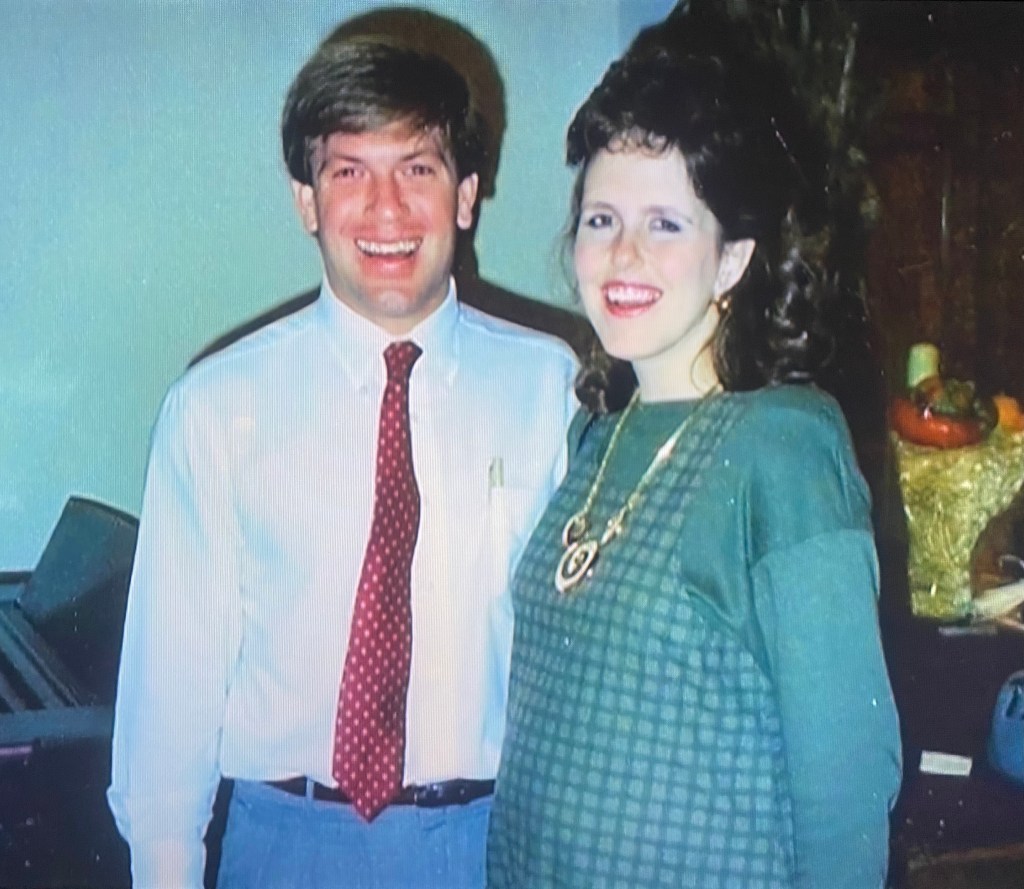
                  I was pregnant with our second child while our first, a curly-haired, single-minded miracle, was doing her best to teach me how to mother. I was an anxious and distracted student. I learned on the fly, usually only after the hard, cold fact of a mistake.

                  Most days I sheer-will muscled my way through the spectre of worry that haunted me like one of Dickens’ ghosts—rising up from the past, the harried present, the whisper of fears yet to come.

                  Our second daughter was born. She came quickly, determined to make her entrance, and within minutes decisively peed all over me. Soon thereafter I went to the movies.

                  It was my first outing since coming home from the hospital some weeks earlier. My sister and mother had arrived for a visit. To Steel Magnolias we must go. I virtually demanded it.

                  I knew enough to know it was about mothers and daughters. That someone would die. My mother knew enough to know that a postpartum mother of two little girls should perhaps choose another entertainment.

                  But I was young. So young.

                  I saw M’Lynn’s grief when Shelby died. I saw it on the screen in front of me, but that wasn’t what I felt.

                  Thirty-five years ago the image I carried home was of Julia Roberts unconscious, while the spaghetti bubbled on the stove, her tow headed son squalling for his mother. I was young, and  this was my fear: that I would be unable to care for my children and they would be left untended. That it would be someone other than I who would shepherd them through their days.

                  As soon as possible, I taught them to sing the “back door” phone number to their father’s office. Pre-cell phone days, this was my emergency plan: the sing-songy, happy tune of ‘588-2300 Empire’ (yes, the carpet company commercial), set to “781-0808 Daddddyyyy”.

                  Such was the fortress I built around them.

                  Puny little fortress. Even I knew it was a house of cards.

                  Such was the pitiful defense I built for my heart.

                  I saw the shadow of fear that crossed Sally Field’s face when her beautiful adult daughter made her own life decisions. I saw her dark head bent over her daughter’s lifeless hand, her tiny shoulders curved in, toward her own breaking heart.

But she was old.

I was young. So young.
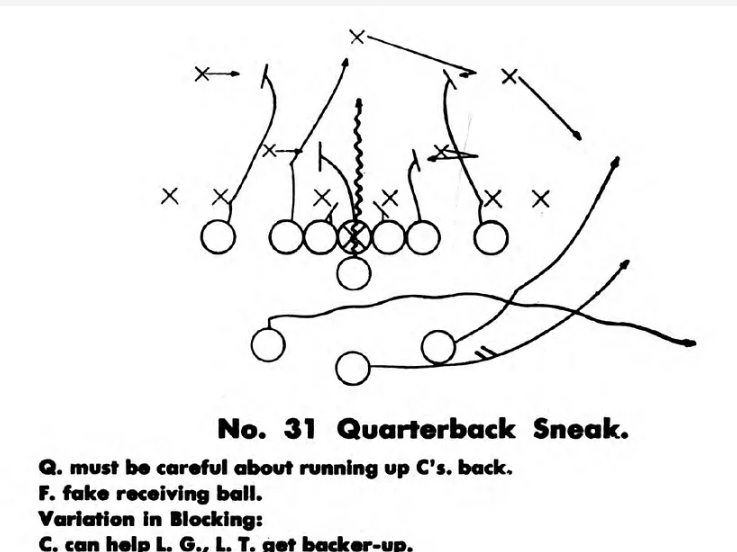
Thirty-five years ago I fancied myself a first string maternal quarterback, fleet of foot and nimble of mind. Brave enough to face any troubles the musclebound defensive line of life might pose. A juke left, a quick pivot right—I would sneak to the end zone with my heart fully intact.

                  Only life doesn’t work from a diagrammed plan.

                  Shelby’s (based on the real-life sister of writer Robert Harling) certainly hadn’t. But then,  neither had her mother’s.

                  A fact some thirty-five years ago I managed not even to notice.

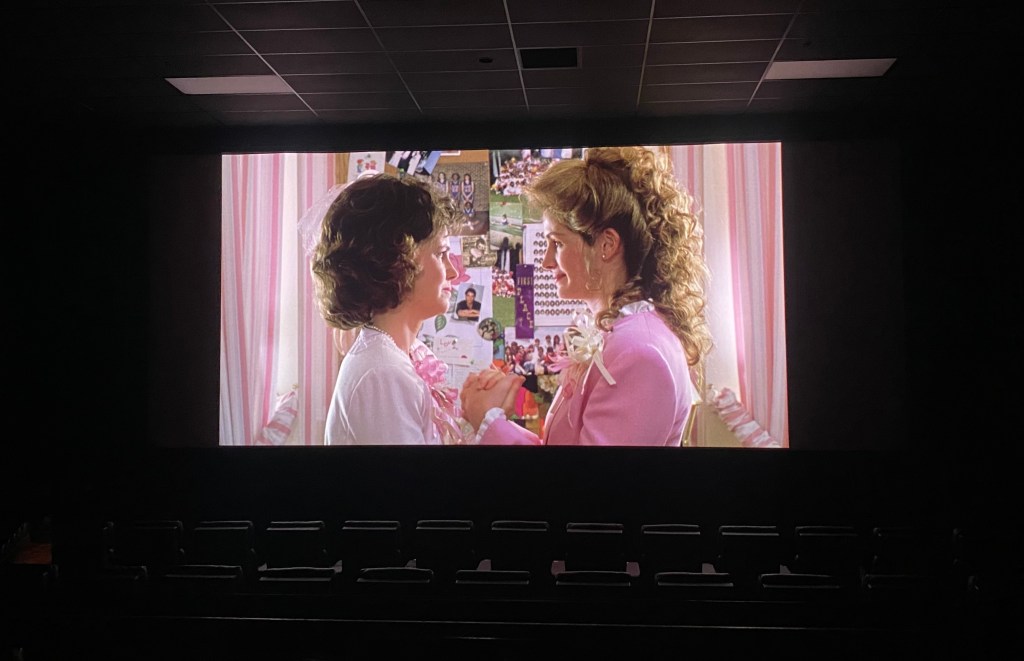
                  This week I went back to the movies. The same Steel Magnolias that was my postpartum distraction, only now my seat mate was that same thirty-five year old baby, expecting her own soon-to-be fourth.

                  I know all the jokes, the collection of brilliant actresses who meld into a seamless clutch of female friendship, the blood red armadillo cake, the impossibly perfect Sam Shepard, the all-too-believable diabetic shock.

                  I had seen it all before, several times since. And it still holds up, because Harling lived what he wrote. It was real, so it is real.

                  This time, from the first frame, I was completely locked in with M’Lynn.

Doggedly working to give Shelby the pinkly-perfect blush and bashful wedding of the century.

Waving goodbye with a smile on her lips, the raucous celebration of friends and family surrounding her, but with the ever-present mother’s furrow on her brow.

Watching her daughter build a life that is hard, sometimes so very hard, but so beautiful.

Cracking egg after egg after egg as the fear rises in her breast.

Alone, running down a hospital hall, her heels clacking out the staccato beat of “I’m coming! I’m coming! I’m coming!”

Then finally, surrounded by her sister friends, these women who have stood beside her and held  her and her family all these years.

Watching these scenes for the umpteenth time I realize this:

I have never been the quarterback, reading the field and calling the plays and making miracles happen. And there’s no getting to the end zone unscathed, even if you are the quarterback.

What I’ve been is far better, because you can keep on keeping on long after the knees give out and the eyes can’t see and the helmet is gray.

I’ve been the water girl and the manager, the truck driver and the janitor, the schedule master and the bullhorn blower.

I’ve been the mom.

And the back door number, ringing straight through long after I am gone, the number set to the music of my own heart and theirs, will forever and always be exactly that:

 M-O-M.
Standard

Once Upon a Time in Bowling Green

Tonight all I can see is the mug shot of a young man, an 18-year old kid I do not know. And it feels impossible.

            Last Thursday, a few short blocks from where I now sit at my desk, he unloaded over forty shots at another young man.

            It was 9:30 pm. Still early in my book—sometimes I may even be out with the dog, my Army-issue reflector belt (a gift from my safety conscious son-in-law) aglow in the passing headlights.

Thursday night the unbelievable, undeniable, now forever saved to Twitter, sound of gunshots filled the cool night air.

            Our neighborhood Facebook group erupted with well-founded cries of dismay, fear, even despair, at what has become of our treelined streets, of our town, of our world?

            Thankfully the intended victim was merely wounded in the foot—bad aim, adrenaline shaky fingers, a drug-addled shooter—I don’t know what saved his life.

But I do know another life ended: that of the boy in the mug shot.

            Just a few years ago he could have been trick-or-treating at my door. I would have commented on his scary Scream mask, or his vampire teeth, or his weird pumpkin head, while I tossed Ring Pops and tiny candy bars into his crumply plastic grocery sack.

            One of the very kids I saw this Halloween could be the one holding the gun a few years from now.

            What happens in between? How does a kid go from trick-or-treater running door to door, to a shooter riddling a brick ranch house with bullets?

            And what are we doing, or not doing, to raise these kids over and over and over again.

Once, quite a while ago now, we sat at our dining room table in the middle of a sunny day. Not where we would typically be found.

            Across from us, a couple struggling to find their footing. Convinced there was an easier way. Certain, for whatever misguided reason, that we might have the answer.

            At one point, after several suggestions, ideas, offers of practical assistance including transportation to and from GED classes, one of our visitors said that no one on our road had struggles as hard as theirs.

            Her comment sat for a moment in a room that still vibrated with distress, ours and theirs, and a myriad possibilities for escape.

            Then my husband said, “That just is not true.” In a matter of seconds he paid homage to the suffering in each home within actual sight of that room—and that was just what we knew about.

            None of it mattered then and it probably wouldn’t matter now. Where we choose to see the impossible, many times that is all we will see.

            Sometimes that is all we can see.

            This afternoon, the type of golden October day when everything should seem possible, I talked with my friend, a 25-year veteran teacher, about that mug shot. About the kid he once was and the young man he has become.

            We talked about what seems impossible. Breaking the cycle. Seeing the signs. Reaching the heart. Saving the soul. In quite literal terms, saving the kid.

            We had no answers.

            I have no answers.

            Every time I see a mug shot in the paper, even those of perpetrators of the worst crimes, I see the kid behind the deadened eyes. I see the chubby little face and the wide-eyed hopeful grin at my door.

            I see a kid who didn’t get what he or she needed.

            Maybe they never spent a night without fear. Or slept in a clean bed. Or if they had a clean bed, maybe it was violated.

            Maybe they never knew where their parents were. Or their house was filled with silence.

            Or worse.

Maybe they needed a grown-up, at least one, to act like a grown-up.

Maybe they never got to skip down a country lane in October wearing fairy wings, believing anything, anything, is possible.

Standard

Always Somewhere

Saturday was the blustery gray sort of day that sometimes slams itself right in between a Friday and Sunday of such golden beauty you almost forgive it for being a gloomy slog-fest. Wind gusts that require two hands on the steering wheel. Driving rain. Leaden skies.

All day, all weekend, all week, television and radio across the country had screamed with high-pitched hysteria of coming elections and the certain demise of democracy—a forecast of doom that seems to be shared by all comers, be they blue or red. Social media continued in its unrelenting machinations to twist us all into homegrown enemies with quivering fingers poised to pounce on the phone or the keyboard.

On this wet, gray Saturday I turned it off and went to the funeral of a good man I barely knew. 

A man I wish I knew better.

And it was the sort of funeral I wish each of you could experience, no matter your faith or choice to have none, your age, family situation, chosen work, politics, or any other 21st century descriptor we tack on ourselves and each other.

I first met Grant Minton back in January, a much colder, gloomy gray day, across a spiritless table in a spiritless room. No worries. He brought the spirit with him.

We talked about Hospice of Southern Kentucky, the organization that had brought us together. He was sharp, concise, focused. He crackled with humor, and he never lost sight of what was at the rock bottom foundation of every single thing we were about: our patients and their families.

The traffic accident that caused the injuries that ended up taking his life occurred on his way home at the end of his chaplain’s workday, travelling from a patient’s house to the parsonage he shared with his wife, Tonda, for 27 years at Cumberland Presbyterian Church in Auburn, Kentucky.

Today the church parking lot was full to bursting. I lucked into the very last spot and picked my way in ill-fitting shoes across the puddled pavement, where I was welcomed through a flower-decked door and ushered through the fellowship hall, already warm with the post-funeral meal. I heard the consistent hum of voices, but stopped short at what I found at the top of the stairs.

Photo Courtesy of Auburn Cumberland Presbyterian Church

A beautiful historic sanctuary filled to bursting with people of all ages. Folks older than I, children with their young parents, babes in arms. And not a chair to be had on this gray afternoon.

Why? Because Grant Minton was that sort of guy.

A few weeks shy of his 72nd birthday Grant showed no sign of slowing down. Until last week he pastored this vitally humming church, and worked full-time tending to the dying and their families throughout southcentral Kentucky.

Here’s just a few of the things I learned on Saturday, things I want you to know, too.

Grant had four sons–two were his by birth, two he raised by choice with their mother. All four of those men spoke about their dad, each in ways particular to himself. The image they drew in that stain-glassed room was of a man committed to all people, no matter who they might be or where he might find them.

No matter if they shared his belief in his God. No matter if they had questions. No matter the rejection he could and often did find. He loved them all. 

Grant was prepared. Every single day he carried two things in his pocket: a handkerchief (yes, a real handkerchief), and a pocket knife.

On this day every member of that family, down to the youngest grandchild, held snowy white handkerchiefs pressed to perfection, put to good and frequent use in memory of him.

Grant never gave up, on his family, on his church, on his patients. Simply put: he cared too much to ever stop trying. 

Last week a Hospice nurse shared about a patient who had been reluctant to talk with him. Grant plopped down on the toilet seat pulled up close to her bedside, and right before our nurse’s eyes he won her heart and held her hand.

That’s Grant Minton.

I never knew Grant’s politics. Come to think of it, I don’t know the politics of any person at Hospice. When we come together all that matters are the people before us–the people who reach for a hand, or a hug, or for someone to do nothing more than look them right in the eye.

Grant looked and saw and felt–the man, woman or child before him—saw them as they were in that moment. Because that’s the only thing that mattered.

He was prepared for that moment in ways I wish I could be.

While I stood and listened to his sons’ words and gazed at the light in those stained glass windows, I thought about the people gathered there—all brought together because of this one man.

Members of Grant’s Hospice team waved me on my way

The Hospice doctor who whispered, “I’ll miss talking to him at our meetings every week. I learned about the patients, but that’s when I learned about him, too.”

The nurse and the social worker who saw and shared the results of his work.

His fellow chaplains, members of their mighty band of three, who traversed miles and miles of roads with cell phones buzzing between them—details and camaraderie shared by those three alone.

The young medical resident a mere few days into his Hospice rotation. He’d never even met Grant, but on this rainy afternoon he left his own little family because he knew the team was really going to miss him, and he wanted to be there to honor him, too.

How? How does a single person make that kind of ripple throughout everyone he meets (or maybe has never even encountered?)

One of his sons shared that as the family tenderly went through his things they found a quote written in Grant’s own hand in the back of his Bible:

“I can’t be everywhere, but I’m always somewhere.”

Those words have not left me. I don’t believe they ever will.

I wish each of you could have been with me on that gray Saturday.

I wish those loudly histrionic voices from far away preaching gloom and doom and hate for each other had been there, too.

Because it was real. Because it mattered. Because it will always matter.

Because none of us can be everywhere. But each and every one of us is now, and always will be, somewhere.

I hope I’m a fraction as ready to love somebody, in my little somewhere, as Grant Minton was in his great big one.

Standard

The Wild Ones

I have always been a nervous sort of person. Anxious. A nail biter and a forecaster of despair.

The man I married is not. When disaster strikes, he sees opportunity. When danger lurks, he plants his feet and declares boldly, “Bring it on!” I pay the insurance premiums, he climbs on the roof and jumps off.

Some twenty-two years ago, the roof jumper met a man of his own kind. A man the likes of which will never come again, and a man we will miss for the rest of our days.

November, 2000 we took a hard swerve out of the direction our lives were travelling and bought sixty acres in the country. We are not country folk. My husband rode his bike to school until his sophomore year. I have never lived more than a few a minutes from the public library.

We had a neighborhood lot in town. House plans. A builder. And then there was an auction sign.

Tom heard about Dick long before we ever knew him. Folks all over Alvaton said, “You’ve gotta meet Longobardo. He can fix any engine. Make anything run.” 

“Dick is the man.”

With the purchase of land naturally comes the acquisition of a used tractor. A bushhog. Anybody who has ever manhandled a bushhog knows the rule of ownership includes constant repair (especially when operated by a notorious roof jumper).

Running on two wheels with a cell phone in one hand and work documents in the other, Tom flew down the gravel drive that led to Dick’s barn (no barn this: a full-fledged master mechanic’s shop, complete with hydraulic lift, repair manuals dating back decades, more sockets, bolts, and grease than you can imagine). He leapt from his truck, unhitched the bushhog, and squealed off, no doubt still on the phone.

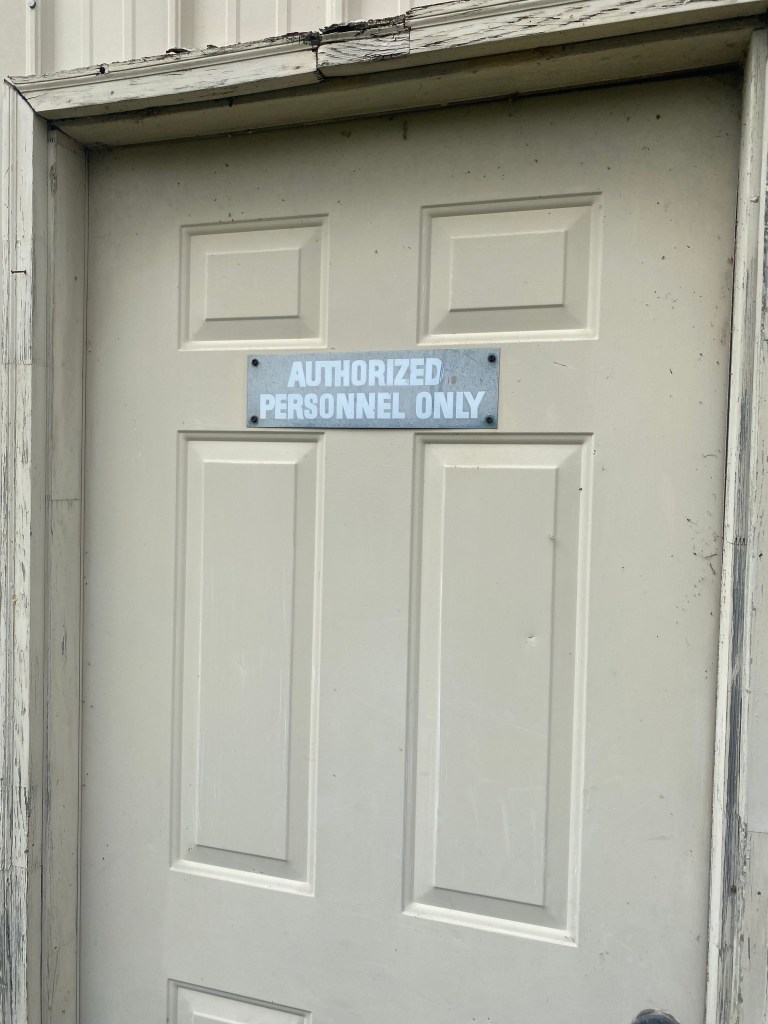
The Door to Dick Longobardo’s Machine Shop

Dick’s sister-in-law, a good Italian visiting from Chicago, watched from the kitchen window, certain Dick had been the unwitting victim of a crime.

Some days later, still having not met Dick, and without even a quick phone call to illuminate the bushhog’s ownership, Tom raced back down the gravel drive. Seeing the repairs had been made, and no one around with whom to settle up, he hitched up the apparatus and sped off.

The sister-in-law shrieked with concern that Dick would never be paid, he had been bushhogged himself, and the ne’er-do-well had made off with his fully repaired equipment. Dick merely shrugged and said, “He’ll be back.”

And Tom was back, more times than can be counted over the next twenty years. 

For these two had found in each other kindred spirits. Roof jumpers who never met a car fast enough, a motorcycle sleek enough, a challenge big enough.

They pushed and prodded each other in the way only two fatherless sons can. They became more than friends, and the bond was unbreakable.

In his late seventies, Dick helped set twenty-five foot 6×6 poles for a treehouse in our backyard. The project took hours. They didn’t stop until night fell and they were called in for supper. He could have kept going until midnight.

At his seventy-fifth birthday party he did figure eights on a four wheeler ATV in his backyard, where he flung himself skyward and came down with a crunch: a broken collar bone. But he never stopped riding that four wheeler. 

He frontloaded brush and trees into the biggest bonfires you have ever seen, and then brought his flamethrower to the party. He planted his own two feet and, like some Roman fire god, brought sky high flames to our back forty.

He fixed Cassie’s little bicycle and later, when she became a driver herself, he taught her how to change her brake light. 

He regaled us with story after story of the hard streets of Chicago, tank driving in Korea, fishing off the coast of California, and his beloved Uptown Garage, the thriving business he built with his own two hands.

With a simple word or two and a gleam in his eye, he recounted time and again the first moment he ever laid eyes on the love of his life for seventy-four years, Dottie. If you were lucky enough to hear him tell that story, you will never forget it. 

He laughed effortlessly and cried easily. Each year found his heart more tender, his sorrows more palpable. But he reveled in every day that he counted a blessing from God. 

At the end of July, at the age of ninety-three, Dick’s finely tuned machine of an Italian heart finally stopped beating. 

But the stories keep coming. 

In February, 2021, at the peak of the pandemic, Tom took his own wild ride on a four wheeler, straight to Dick and Dottie’s, right up the steps and onto their back deck. Dick came to the door, his ever present thick blue bathrobe knotted around his already narrowing waist, in his warm scuffy slippers, and jammie pants. He watched the snowy madness, and shook his head at his alter ego.

He issued paternal warnings, watched with paternal concern. 

These two were the original wild ones of Alvaton, wild lives transformed by God, by love, by each other.

These two were the wild ones, together until the very end. 

All the while, I bit my nails. I watched and worried and forecast certain disaster.

But all the while I have been, and still am, so very glad.

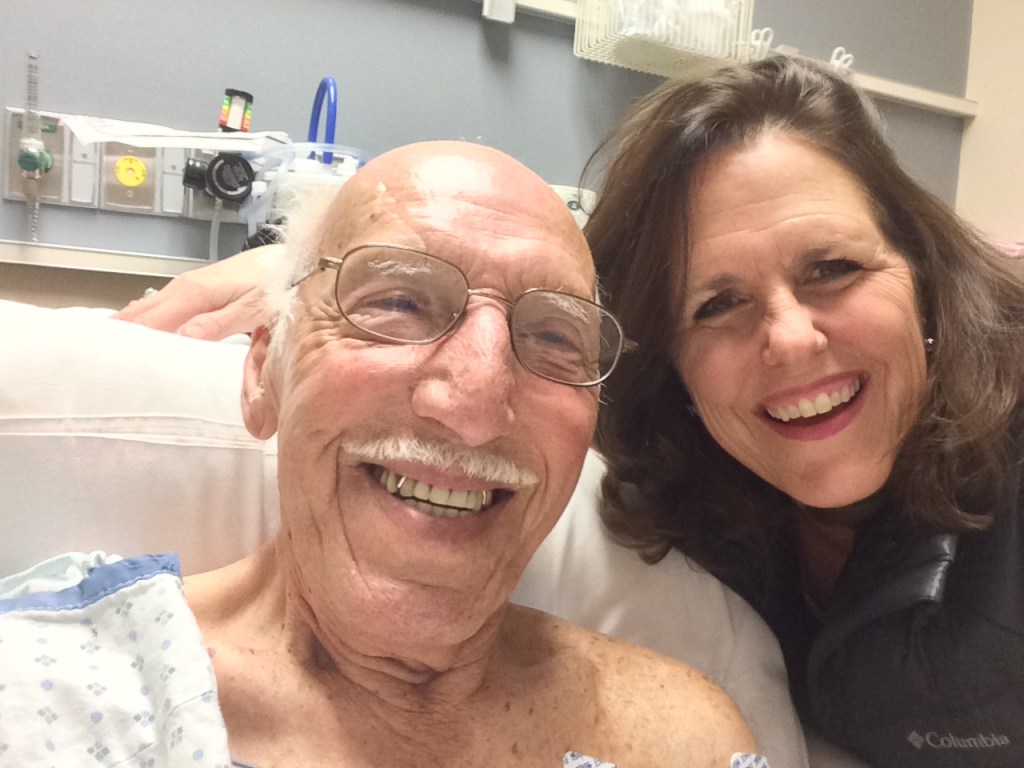
A conversation about The Wild Ones from Dick’s hospital bed

Standard

Angels Among Us

Unless your life has been kissed by the stars, you have undoubtedly spent time as a visitor in a hospital.

You’ve pulled in to a parking garage, dry-mouthed, befuddled. Perhaps it’s a structure you’ve navigated many times before, but at this moment you might as well be driving the Space Rover across Mars.

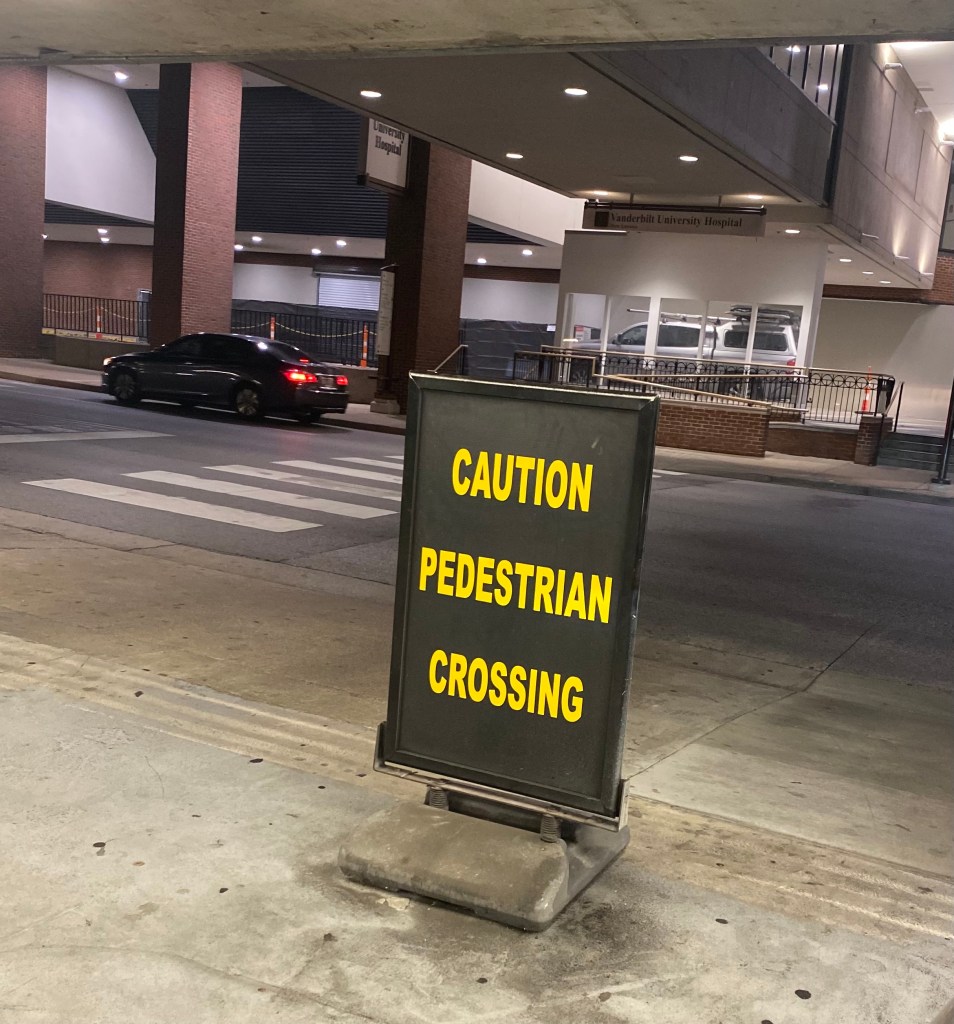
You’ve wandered through the dark and odorous maze. Punched a button to the bustling street above. Found the crosswalk. Slid through a plate glass door. Licked your lips with a parched tongue and uttered a loved one’s name to the man behind the desk.

You’ve found a chair. A hard and unforgiving chair where you shiver from an unnatural and untimely cold. 

You’ve strained to hear Doctor Speak, a language that on any given day is as familiar as a grocery list. At this moment it might spring from Middle Earth or Deep Space, such is your lack of comprehension.

You’ve found the humming vending machine, gulped the welcome water, and bolted back to your chair. You’ve sent hasty text messages, misspellings and abbreviations their own kind of alphabet.

Finally you’ve been called, through a door, to a room, where monitors beep and lights flicker and tubes drape this way and that. You perch, poised for flight, on the edge of another, even harder chair. The arctic cold does not relent. Neither do you.

Later, after the hasty phone calls, the consultations, the brutal knowledge that you are ignorant, useless—you are just one of thousands who wait in hard, chilly chairs—you and your companions slide back out the glass doors in search of food.

The day has turned to dark. Lights glow down the street. You walk toward them, paying no attention to crossing signs or sleekly shiny cars. Lucky for you, the others do.

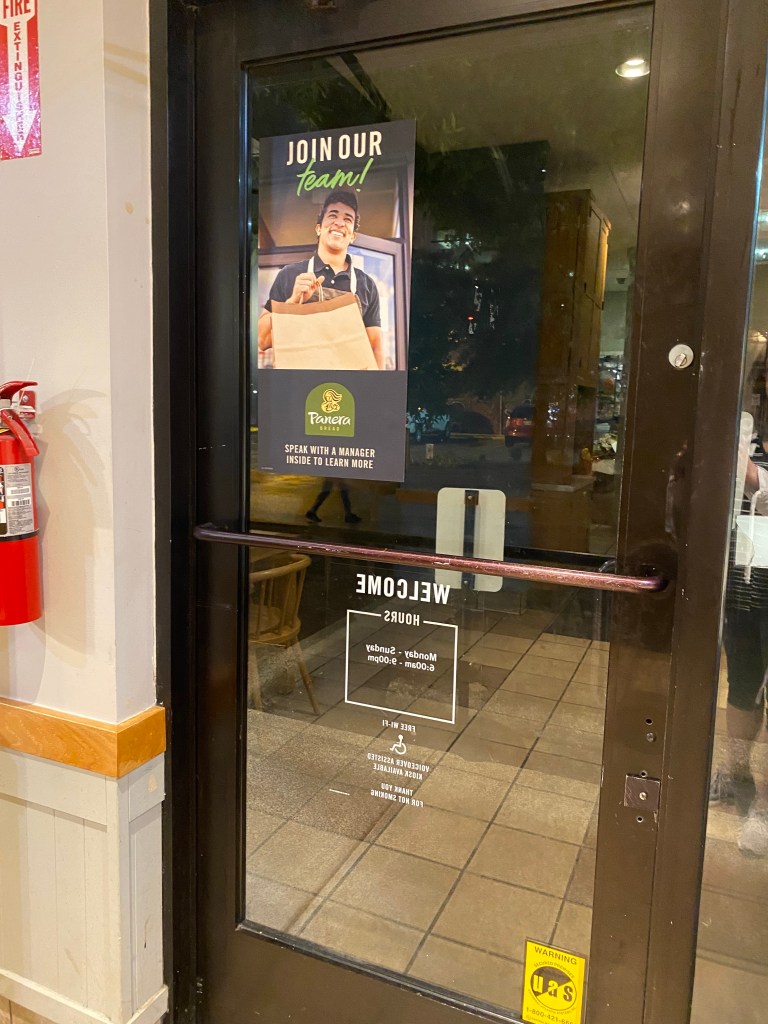
You go in to the brightly lit restaurant. Struggle to read a menu. “What are you getting? What are we taking back for him?”

Orders placed, you fill your drink. You set it on the table in a booth, unwrap the straw, and spill it, every last drop flooding across the table, into the seat, all over the floor.

You find a young girl, busy with her chores. You apologize and drop to your knees on the soaked carpet to help her retrieve the ice. All the while she croons, “You good. You all right.” 

You and your companions eat every bite. Drink every drop. You talk about the person in the hospital bed, and about the person who sits by her side. He will never leave that room as long as she is there.

Sometimes you laugh. Sometimes tears fill but do not fall. Sometimes you forget what day it is, and then you think, “What difference does it make?” 

Your companions tell stories, of this week and of years ago. Only part of your brain hears them. The other part, the largest part, is muffled, stifled, frozen. 

Finally someone says, “We better get him his supper,” and the three of you rise and sidestep out of the booth. 

Then you see her.

A woman, about your age. Short hair, glasses, a yellow polo, khaki slacks. The same woman whose swift hands filled your plates and bowls with lickety-split food. The same woman who prepared the extra order we forgot to make faster than we could even say the words.

There she is, sitting in a chair at a table by the back door. She is relaxed. No hurry. No worry. Scrolling on her phone.

You hastily re-enter the earth’s atmosphere and look around. Your mouth drops open. No one else is there. No solitary young man with a broom, no young girl rushing out with the last bag of trash. There is only the woman in the yellow shirt. You have no idea for how long. 

She pushes her chair away from the table and says, “I’ll have to let you out back here.”

You begin to protest. You’re closed! I’m so sorry! We didn’t know! We’ve kept you here too long! You stayed for us!

For a brief moment her eyes rest on our small, weary group. “I know what it’s like to have somebody in the hospital.”

You want to hug her, but your brain is numb. You fumble through the door. Your thanks stumbles from your lips.

As you walk across the parking lot your face twists into the question you barely utter: “How….”?” 

Your companion smiles and points at his chest. Yes, we wore the mark of the hospital, but she saw far more than a printed label. The hollow eyes, the hurried gulps of food, the conversation in a booth that could have lasted until daylight.

All we offered in return was our hurried gratitude as we hustled out the door into the night.

Thank you. 

A paucity of words in exchange for her seeing eyes and caring heart.

For her willingness to stay put, quiet and patient, in a hard chair, on a Friday night, for as long as we might need.

Standard

Ashes, Ashes, We All Fall Down

Potter Gray Elementary School. Bowling Green, Kentucky.

The kind of school they make movies and TV shows about. The kind of school where the moms are in a perpetual state of cupcake baking and party planning.  Where the dads show up no matter what. Where the sixth grade goes to Space Camp and the parents fund raise to make sure Every. Single. Kid. is on that bus when it heads south for Huntsville, Alabama.

The kind of school you wish every child in America went to.

Four of our five children spent at least some of their early academic days within these walls. That’s where the three oldest, the “big girls”, were on the exact day of the first school shooting I can ever remember.

March 13, 1996. 

I can’t recall a single solitary thing about that day other than finding out an atrocity had occurred somewhere far away. 

Dunblane. A primary school in Scotland. A little place not much different than our own Potter Gray.

That night my husband and I looked at each other across four rowdy heads. I touched my belly and thought about the fifth little Pennington we would meet in a few short months. 

Scotland was so far away. But was it, really? So we talked to them: we talked to our kids about something we believed, we hoped, could never occur. 

We told them what gunfire sounds like. “Firecrackers popping off all around.”

We taught them to lie down. Wherever they were. Whatever they were doing. 

We said to them, “Play dead. No matter what happens. No matter what you see or hear. Play dead. Don’t make a sound.”

Then we role played, in a gruesome and macabre after-dinner game that horrified and sickened me.

I looked away with tears in my eyes.

Tears for stealing their innocence far too soon. Tears for the mothers in Scotland who couldn’t feed their kids supper, or run their baths, or check the calendar for dentist appointments they would never need.

Tears for this world into which our own soon-to-be-five rowdy heads would go, without us. Who knew what, or whom, they would meet?

Then April 20, 1999. 

Columbine.

How could this be? What is this world?

I don’t remember where I was when I heard, or what we said to the kids. What I do remember is us and a friend, sitting up far too late on a week night, transfixed before news coverage, too sick to do anything but share the same space, breathe the same air.

There is no desk, no door, no playing dead, sufficient to save them. Did any parent sleep that night? 

Or after Heath High School, a few short miles down the road in western Kentucky? Newtown? Parkland? You know the names. And those are just the first ones that pop into my mind.

May 24, 2022. Robb Elementary School.

One day earlier we celebrated with our grandson at a happy, music-filled festivity complete with cupcakes at his own movie-worthy school in Nashville.

And then my phone ignited with the fear, the torment, of young mothers terrified for their children. Those same girls we taught to play dead are mothers of their own rowdy heads, and what has changed?

Nothing.

There’s precious little innocence left in this world.

We adults have done–are doing–precious little to protect it.

So play dead, little ones.

Play dead.

Oh, Stay alive, little ones.

Stay alive.

Be strong, little ones.

Be strong.

For it is we, the grown-ups, who are weak.

The children of Dunblane and their teacher, Gwen Mayor
Standard

Good Stuff

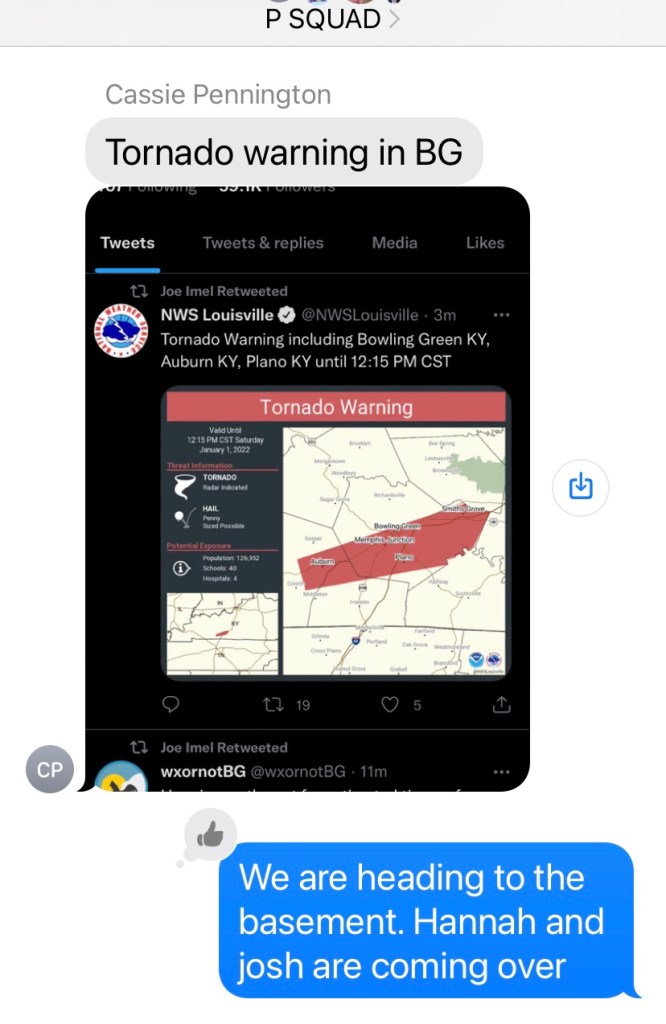
Boy howdy, we sure can blast into the new year…just whip up another tornado and kick the 2021 holiday season to the curb with real style.  

Mid-day Saturday, January 1. Should have been an average, post-New Year’s Eve afternoon with sale shopping, football watching, maybe a burrito. 

Instead, PTSD was popping off people like sparks on a live wire. Phones buzzed. Facebook groups blew up.

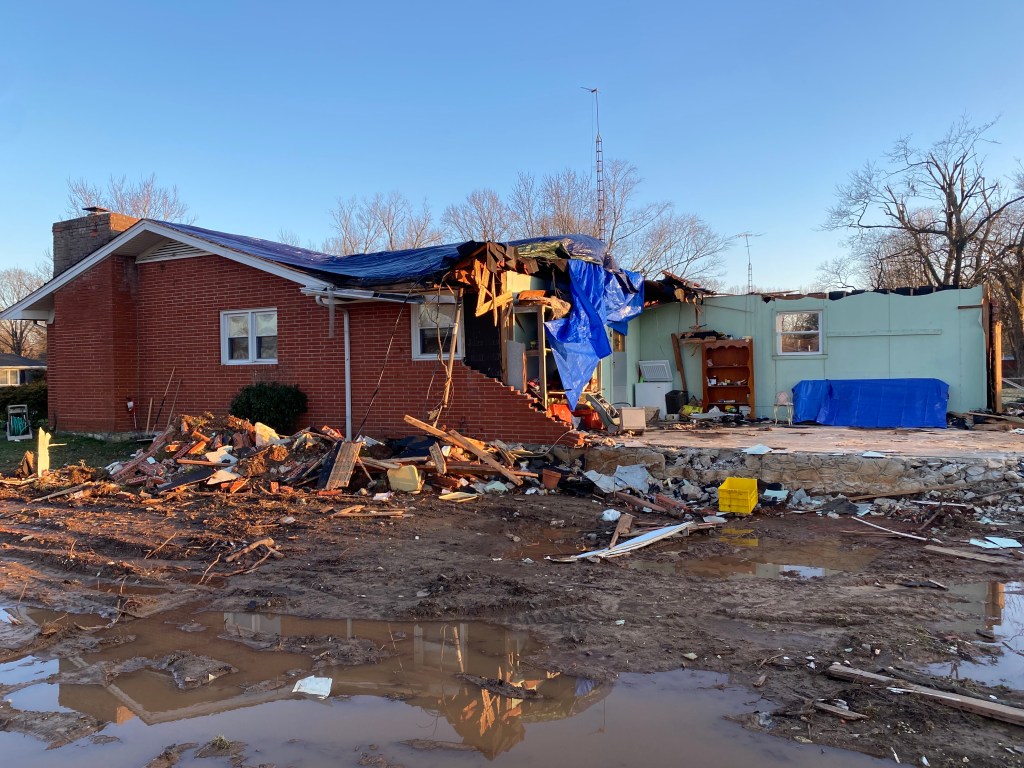
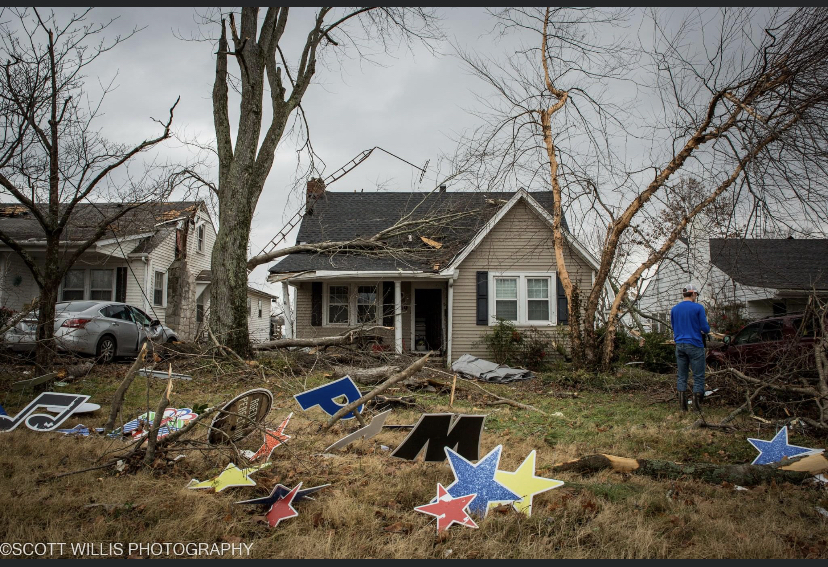
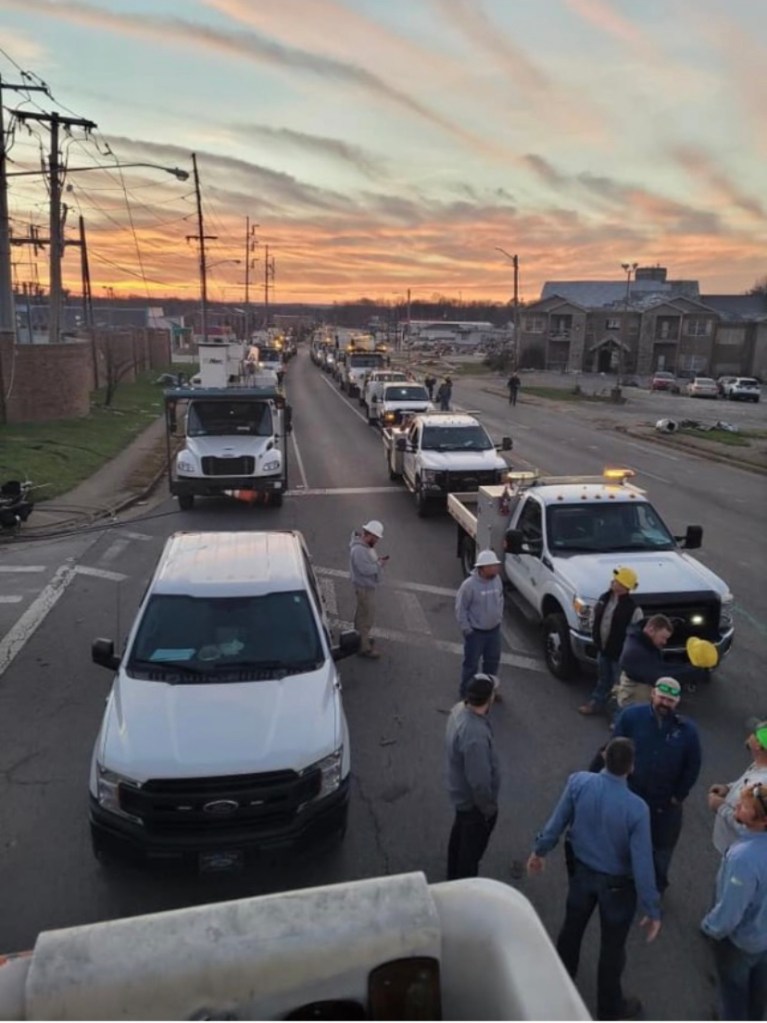
It was fast and, fortunately, covered far less ground than our December 11 debacle, but when the photos started filling up our feeds we knew it was unbelievably true.

Follow up that adrenalin surge with a Sunday full of sleet and freezing rain. A winter’s worth of dull, cold, wet gray in one afternoon.

But today we had sunshine. Blessed sunshine.

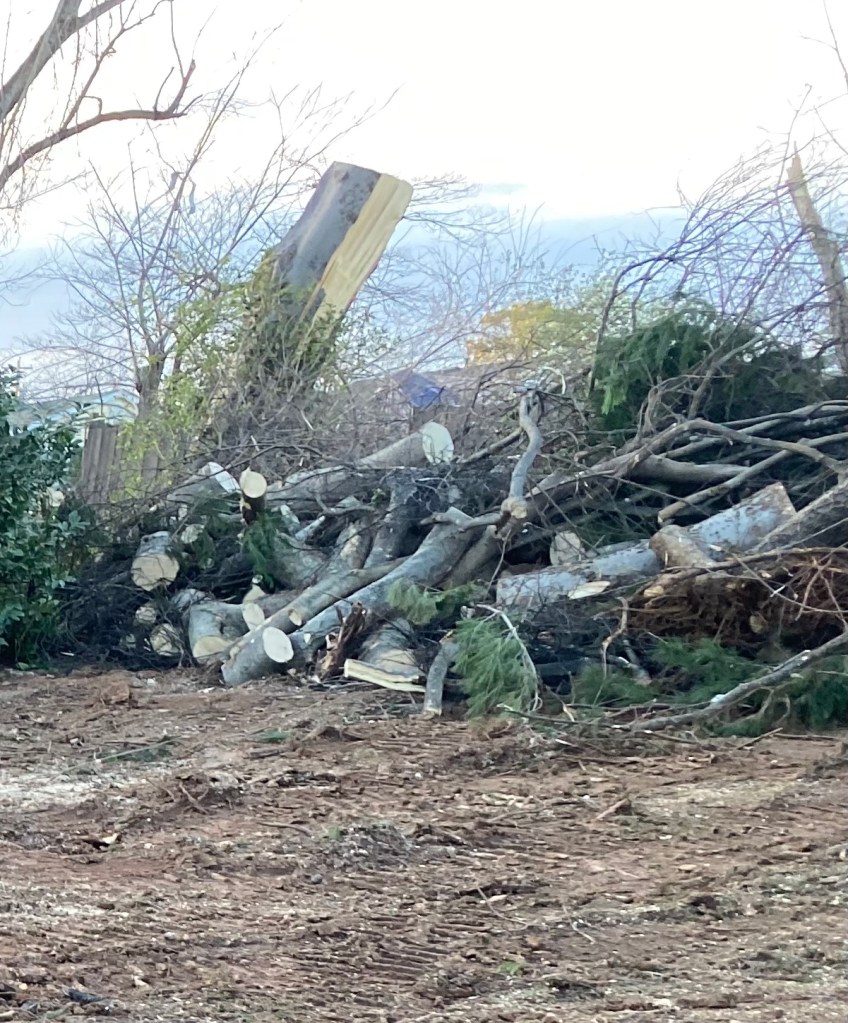
So, for the first time in at least a month, I walked my usual route. A route that was fortunately, miraculously, somewhat spared. By going the usual way I had, unintentionally, saved the worst for last.

When I round this final corner I’m heading for home, on the last leg of a four mile trek. Every single time I pass by I think about the person, or people, who live in this house on that corner. I don’t know them. For some reason I’ve always thought they were older, although these days that word is a highly relative term.

I had not seen this corner in post-tornado daylight until this afternoon. It took my breath away.

This little kitchen. That little cabinet. Those sturdy little shelves. 

There used to be a window over what would have been the sink, where my imaginary woman would have busied herself in hot, sudsy water. Sometimes a red glow spilled out from that window onto the darkening world: an illuminated WKU sign that never failed to make me smile, because I thought about the woman in there at that sink who will be a Hilltopper until the day she dies.

My sunny day spirits sank right into that puddle of muddy water. There was no hiding it: our small spot here on planet Earth is forever changed. 

I stood there, rooted on that muddy sidewalk, for a good long while. 

But I still had a mile to go, so go I did. 

The walking wasn’t as easy now. The going not so pleasant. I began to wish I had just stayed put, indoors, where the real world was easier to forget.

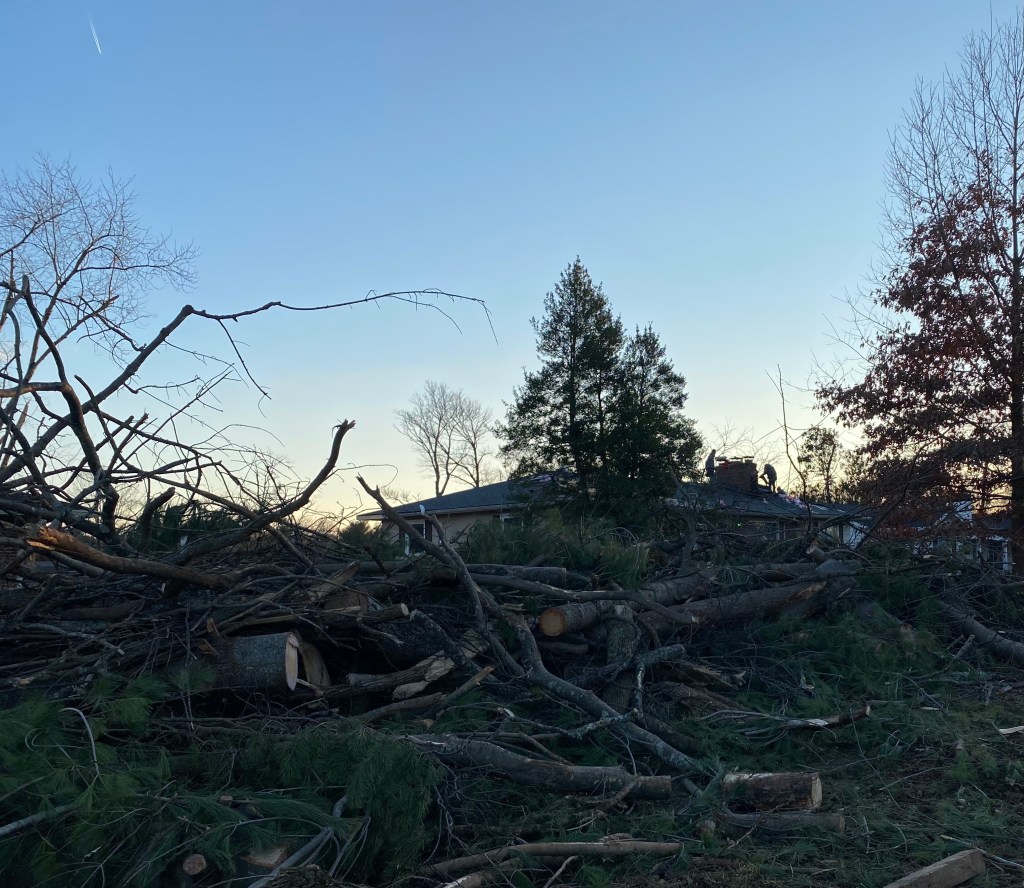
Then I saw them. These men, their vests a tropical brilliance in our wintry, storm-scarred landscape, two huddled on the ground in a nest of debris, one perched high in the branches of what was left of our trees. The sun touched them and the light winked back at me.

Then, a single chair, facing the mother of all chairs, a tree that has done her due.

And then, thankfully, the singular sound of progress after a storm. Rooftop voices in casual conversation, the silhouette of backs bent to labor, the steady, confident ping of hammer on nail.

Almost home now. The light fades. A man stands by the bed of his truck, makes some notes in his phone, loads his extension ladder.

I have to watch my step–no easy going here–dodging cables as thick as my wrist, weaving in and out of debris, end-of-day commuters, bags of sodden things no one wanted to discard.

Then I see this.

An insulator, embedded in dirt, far-flung from its place in the sky. When my husband was a boy in western Kentucky he collected them, some naval blue, some earth brown, some watery turquoise. The sight of it is familiar to me, in a way that feels like home.

I pick it up. Its weight is steady. It feels good and right in my hand.

My pace quickens, my feet move more surely.

Moments ago I was ready to forever change my route. There are other, less painful ways to clock four miles.

But then I would miss the good stuff that comes after the storm.

Standard

After a Tornado 

Some of the Things I am Grateful For

My husband.

Our children.

The people they married.

Their children.

The children they will have some day.

The children they will never have.

Our bonus boy.

Shingles that hold.

Good socks.

Shoes that lace up tight.

Old friends.

New friends.

The voice on the phone when service comes back.

Text messages.

DMs.

Chain saws.

Flashlights that work.

Hot tea.

Diet Coke with ice and a straw.

Peanut butter cookies.

Our Governor.

Buff-clad Guardsmen seeing things I cannot see.

Doctors.

Nurses.

Helicopter pilots.

Truck drivers.

Giant blue tarps.

Chain saws.

Cases of water on a dark street corner.

Bobcats, driven by people we have never met.

Foundations that hold.

Music.

Infrastructure strong enough to keep going.

Police.

Firefighters.

EMS.

People in work boots.

Hands in work gloves.

Sunshine the day after.

A waving Santa.

Linemen.

My husband.

Our children.

Churches.

Food trucks.

Tears.

Laughter.

Inside jokes.

Outside voices.

Local weathermen who stay the course.

Local radio who walk it with us.

No politics.

True love.

Neighbors.

Trees.

Grief.

Joy.

Memories.

Waking up.

Going to sleep.

Linemen.

Generators.

Chain saws.

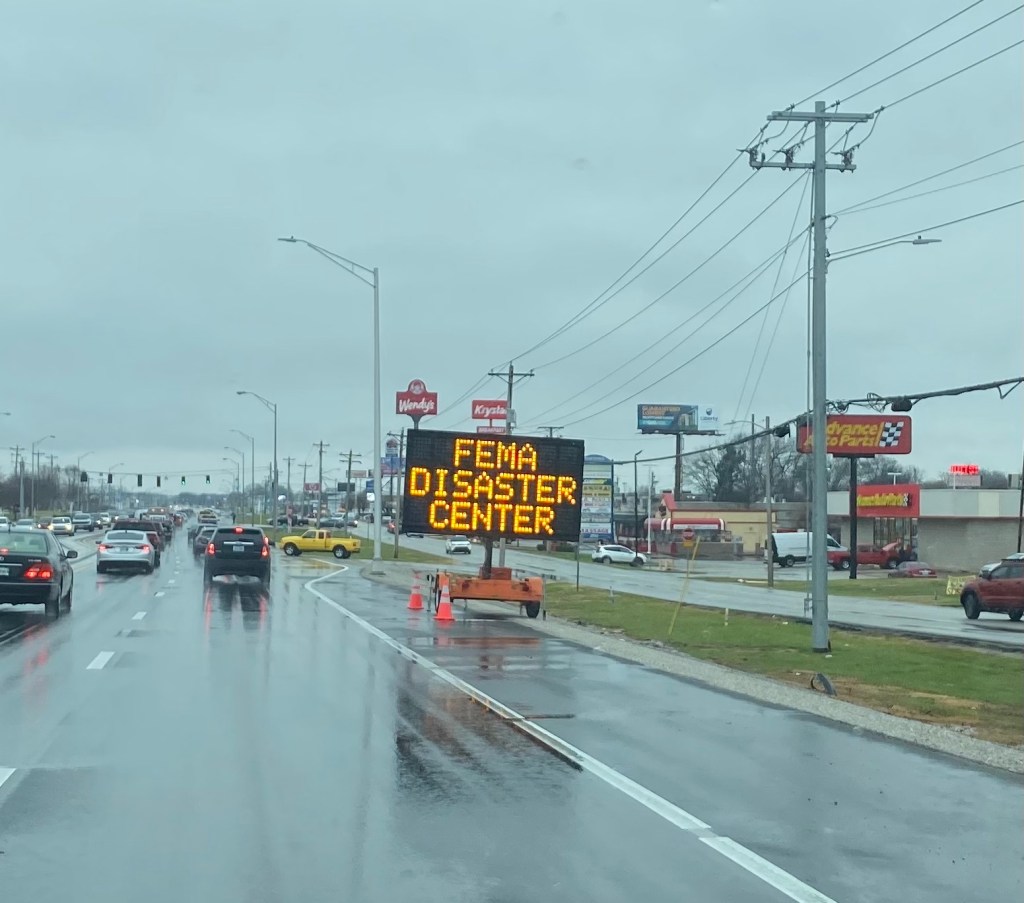
FEMA.

Churches.

The paper boy.

Stories of people I know doing work that matters.

Old people.

Babies.

Memories.

Trees.

Memories.

Trees.

Memories.

Tomorrow.

Standard

A Simple Sign

Our daughter, struggling to process a recent loss, wrote these words in a text: “I’d rather wear black and go back to days of mourning where you were allowed to at least show you were sad.” 

Yes, I thought. Yes.

Later, as I considered her words, I wondered–

When did I first know that people long ago had dressed in mourning? Ten years old, in a dark seat at the brightly lit, single screen, Capitol Theatre in Madisonville, Kentucky. 

Scarlett O’Hara in Gone With the Wind.

Perhaps never has a character so little deserved to wear mourning than Scarlett, with her little tap dancing feet barely concealed behind a counter, and then the ripples of shock that ran through the socially (and racially) restrictive people of Atlanta, when she took Rhett Butler’s hand to twirl across the dance floor, mourning be damned.

In spite of Scarlett’s unfeeling and self-centered lack of grief, the idea of wearing weeds during a time of mourning stuck in my ten year-old brain. Even then, as a child, it seemed to make sense.

Now, some fifty years later, I know it makes sense. The concept of wearing outward signs of inward mourning is a sound one, or so it seems to me.

What if we went back to wearing some simple sign of grief? Would it be so bad to send out a little test balloon to the world in the form of a strip of cloth, or a ribbon, or pin, that says, “Hey. I lost someone who means a lot to me. Maybe they meant the world. Can you make eye contact for more than a millisecond so I know I’m not wandering the planet by myself today?”

Such a small thing: eye contact. Two hands touching for the briefest of seconds. 

We could do that even for people we do not know. It takes a mere moment. It costs us nothing—nothing but the inner courage to face what we all must face—the absolutely certain knowledge that if we love anyone or anything at all in this life, we are guaranteed to grieve.

No matter how much body armor we strap on, or bubble wrap we stuff around our hearts, no matter how much we drink, or eat, or watch TV, or run, or talk, or go to sporting events, or shop, or sort through our mountains of stuff: we will mourn.

Wouldn’t it make sense that we do it together? Even if it’s just a nod from a stranger, a look of comfort from a passerby, a touch from someone in the checkout lane. We may not know the specifics of the other’s loss, but what does it matter?

We are fellow humans, scurrying about on this planet—we love, and we lose. We remember, and we mourn. 

Why don’t we do it together?

Not for an hour, or a day, or a week, or even a month. For as long as it takes. For as deep as it goes.

For poet Natasha Trethewey, who was nineteen when her mother was murdered by her then stepfather, the grief is with her still, powering her writing in ways that are both universally understandable and so painfully specific as to take one’s breath away. 

Here, she reads from the work of yet another poet, Lisel Mueller, a poem that is a reminder for us all that no matter how normal the world may seem, no matter the hustle, the bustle, the trees, the leaves: for the mourner, all is forever changed

.https://www.poetryfoundation.org/podcasts/76378/when-i-am-asked

And I return to our daughter’s text: “I’d rather wear black and go back to days of mourning where you were allowed to at least show you were sad.” 

Yes, dear heart. 

Yes, to you, to him, to all of us. Yes to wearing weeds.  Yes to the reminder that we all are on the same team. We all will, ultimately, share the same grief.

How much better the days, how much shorter the nights, if we share it together.

Standard

Land That I Love

Bear with me for a moment. This won’t take long.

Close your eyes. Imagine your hometown, wherever that may be. The spot where, this very night, you will rest your head, or the place to which you most long to return.

Think about your main drag. Everybody has one. For us, it’s Scottsville Road.

Okay. Got it?

Now imagine that road, no matter how populous or remote, has been bombed to smithereens. 

Or, perhaps much harder to wrap our minds around, think about this:

What if we all got up tomorrow morning and some people we don’t know in a building somewhere across the globe have, for reasons we may not comprehend or ever even know, decided to rip our special place asunder.

It has hereby been declared to those on the east side of 231, or Main Street, or I-65, or Route 66, or the Mississippi: you will forever have to remain here.

Those on the west, there you will stay.

No comingling. No sharing of language, of faith, of resources, of centuries-old customs, memories, mores, and loves.

How do we think that would land in the home of the free and the brave? I’d say not.

Maybe in a few months, years, weeks or even days, people with guns come and hunt you down because you’re on the wrong side of that line. There’s coal or oil under the land that has been in your family for three generations and they want it.

Maybe there’s access to fresh water, or a seaport, or a railroad, or a gigantic reservoir.

Maybe there’s the wrong kind of church, or no church at all.

Maybe they just want it because they want it.

You have two choices: stay and risk death (or worse), to yourself, your children, your precious wee ones and the delicate elders. Or flee, desperate just to stay alive. 

You don’t want to leave. I don’t want to leave. It’s my special place. It’s in my blood and bone.

But to save my blood and bone, and that of every person I love, leave I must.

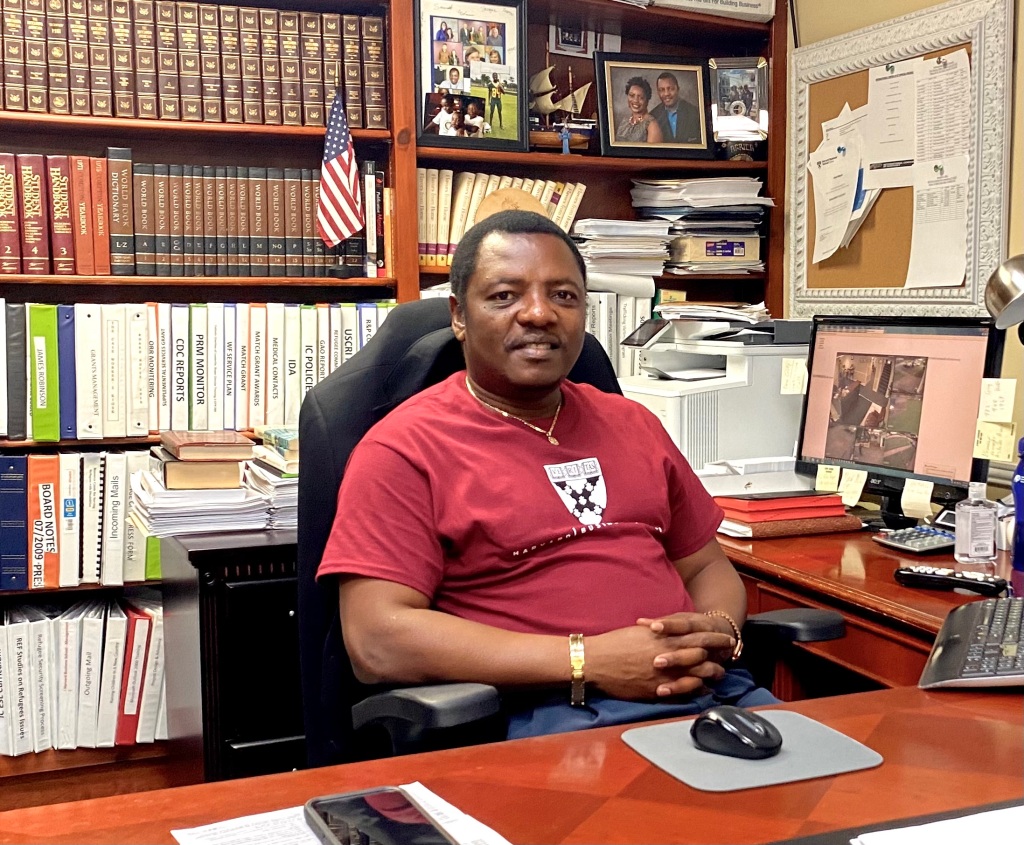
An arbitrary post-WWII decision such as this, many years before he was born, launched Albert Mbanfu on his own journey from Cameroon to Atlanta, and ultimately, to Bowling Green, where he has worked for eight years as the Executive Director of the International Center of Kentucky.

Right now, this is where he spends countless hours each day working to prepare a home for the several hundred Afghan refugees who are somewhere, on military bases across the globe, preparing to come here.

To our little spot, to this land we love so much.

Mr. Mbanfu is a boots-on-the-ground hardworking man who understands what it takes to help people get started in a new place.

And he knows the pain of leaving his homeland behind. Of saying goodbye to his elderly father, the Reverend Peter Fangha, a Baptist minister. 

He reveres and misses his father every single day, and he has not seen him in six years due to violence in his own home country that would threaten them both if he were to return.

He knows the guilt of a family left behind, of a loss so painful it haunts him to this day, a loss he would have done everything in his power to prevent, had he just been able to stay home.

But he doesn’t look back. 

Instead he answers the phone, he goes on the hunt, he works the boardrooms and the churches and the federal agencies, and the national news organizations, gaining attention and finding resources for the travellers who are heading this way.

Only this time “the situation is very fluid, and it changes throughout the hour”. Federal aid will be late in arrival and homes must be secured, furnishings provided, rent and deposits paid.

A plea is made. People in the community do step up

But there are “some people who call with very nasty language and no number/anonymous. The threats, the abuse. We are used to it. But it’s only one percent who are nasty.” 

For Mr. Mbanfu, “there are two things that cause them to behave that way. One is ignorance, and one is just bad faith. [He’s] experienced both.”

He takes the calls, every single one, no matter how bad they may be. He answers the questions. Sometimes, after much time and work, it ends better than it began. 

A recent thirty-minute conversation with a particularly aggressive voice on the line concluded with an ally, when the man offered to bring childrens’ clothing to the center. Albert thanked him, for the offer and for the call. One mind changed: victory. 

Worldwide less than ONE percent of all 80 million displaced refugees are resettled: that is less than one percent resettled in all nations (not just the U.S.). Which means over NINETY-NINE percent will live out their days in a camp or refugee settlement.

Albert is one of the less than one percent. So are the two hundred Afghans coming to make their home with us.

Close your eyes again. Think about your special place. The main drag. Whatever it is that makes it special, no matter how small.

Imagine never seeing it again, for as long as you live. Imagine your children never knowing their grandparents, the place you grew up, the smell of the air, the sound of the birds in the evening.

Then choose to be one of those who reach out a hand. One of those who say, “Welcome.”

Standard