Serious Business in a Ray of Sun

Yesterday afternoon I drove home after five nights at a silent retreat. No television, no WiFi.

When I say silent, I mean S-I-L-E-N-T. So silent I’m now practically screaming the word at you.
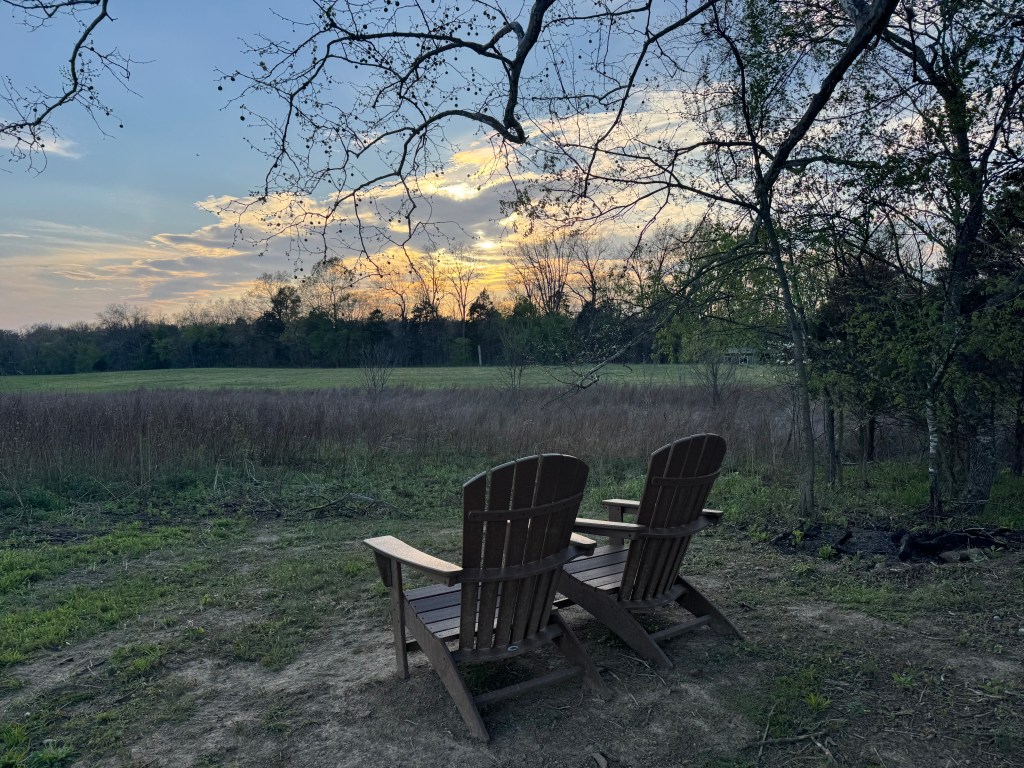
I have never been anywhere so dedicated to quiet, and I was nervous going in. I come from the land of decibels and chaos. So many people talking at once it would take an MIT physicist to sort out all those particles of string holding us together so loudly.

Even if a lot of that noise is in my own mind these days.

I thought it might take a couple of days for me to adjust and reap the benefits I hoped to find. Wrong. I got there within the hour of my arrival.

First, and really only, rule of the place: Silence Please. That’s what the sign said when I drove in. And the little notebook that welcomed me said it also, in even more specific terms: no cell phone use outside your domicile, and no human-to-human conversations out there, either. Just nod and smile, and move on.

At first that felt rude. Then, it was liberating. And thought provoking in the best sort of way.

Did I have any life altering realizations that are going to put me on the Dalai Lama road map to perpetual fame? No.

But I did take the time to see just how much the trees leaf out in a five day span if you’re looking out the exact same window for enough minutes of those days.
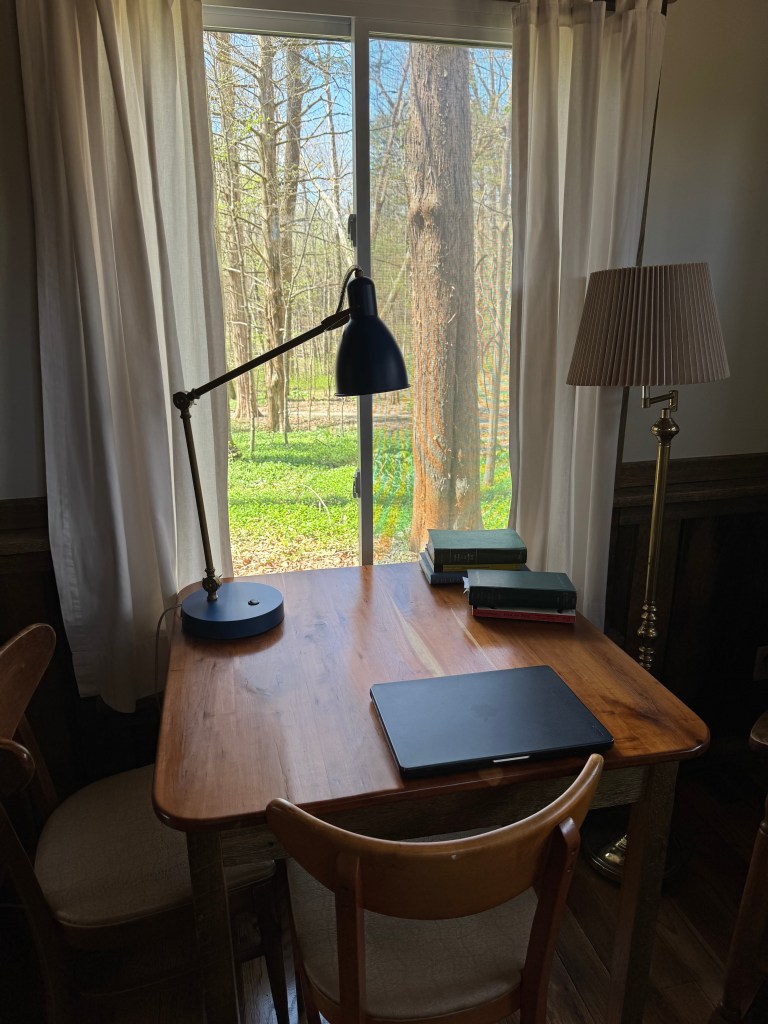
I heard, really heard, birdsong for the first time in years. What a wonderful thing birdsong is. How about birds in general?

And tree limbs, arcing and curving and bending their way into the sky.
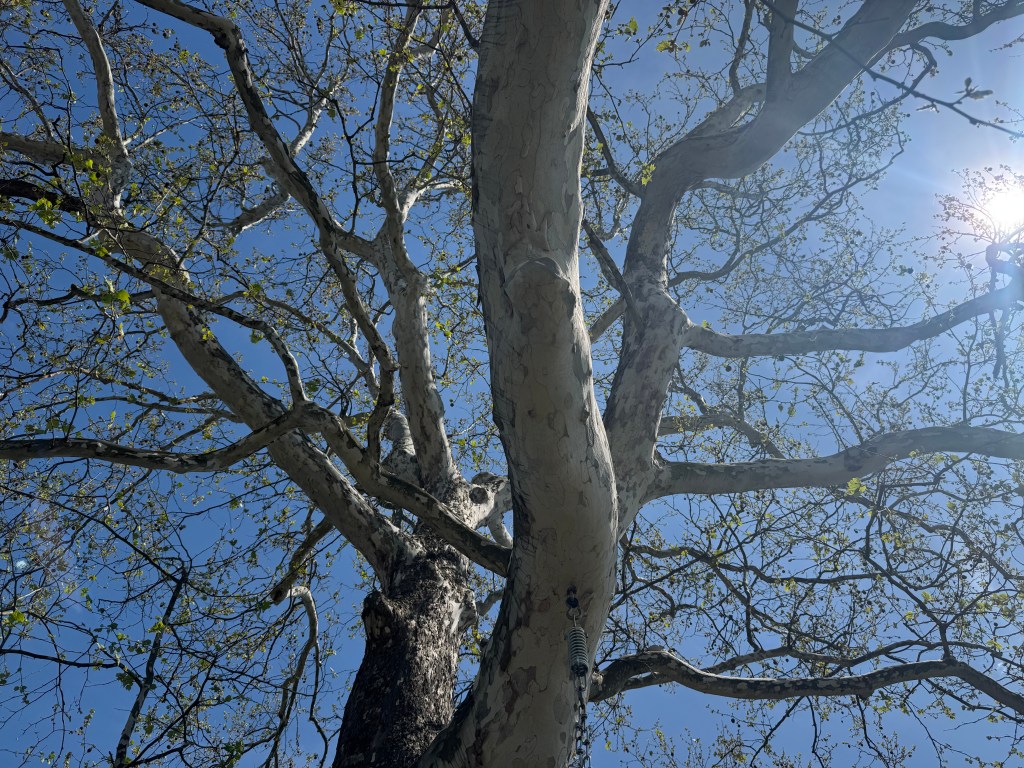
Or just the singular sky, for that matter?

In the middle of all this silence and birdwatching and thinking about life, I realized that some of the happiest faces I have seen lately have been those of the astronauts and the folks in the control room who powered them out there into the cosmic wild.
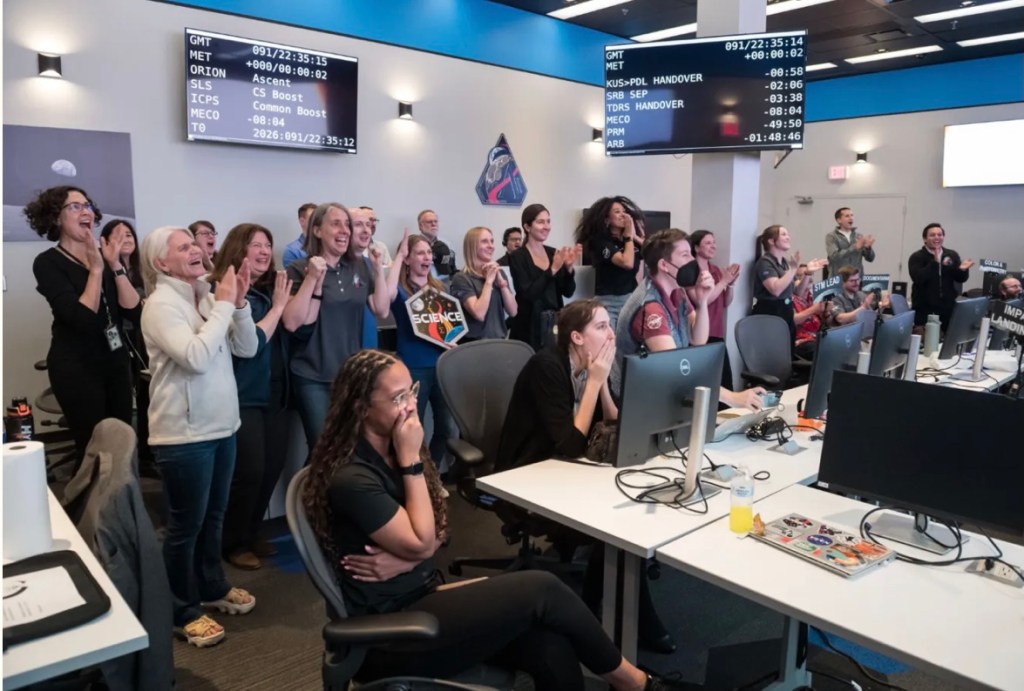
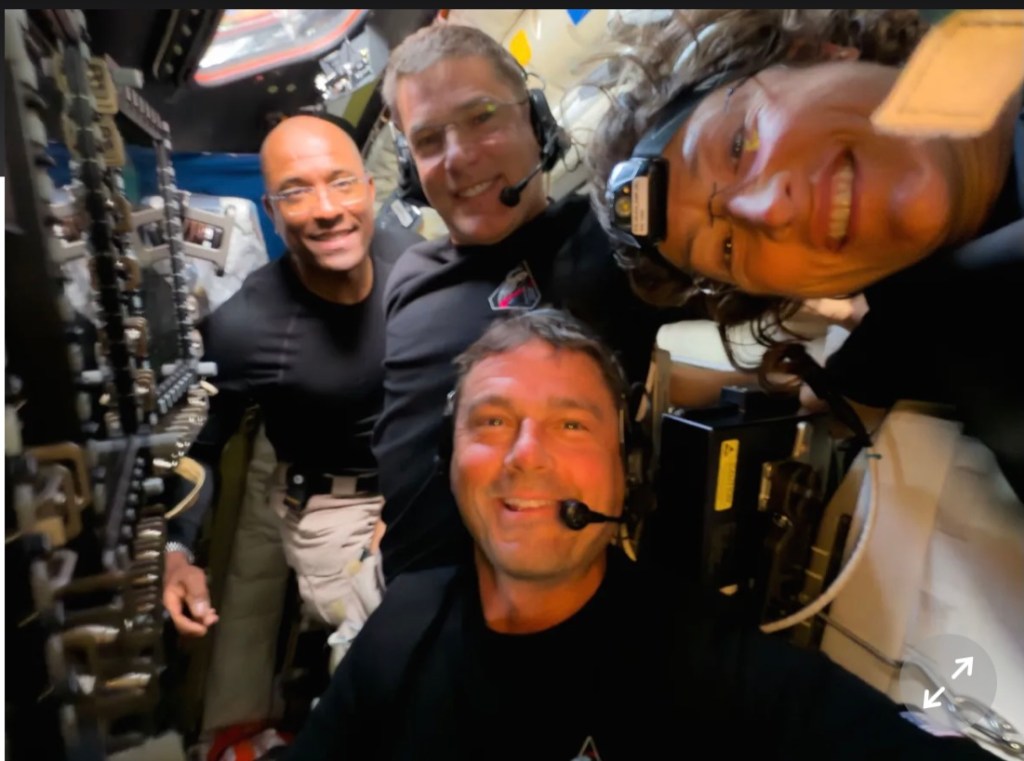
Pure joy, from so many collective dreams come true. So much hard work realized in the best sort of way.

Easter Sunday I sat between two people rather vociferously and opposedly talking about the war while I had my phone pressed to one ear and my other hand stuffing the other so I could hear astronaut Victor Glover share his message of unity and hope from so far away my brain can’t even comprehend it. Even in the midst of the noise I could hear him, mainly because I needed to hear it.

It was like the universe calling out from the far reaches of darkness,  “Hey, silence please. Pay attention for a freaking second. You guys have got it all wrong. Just love each other. It ain’t that hard.”

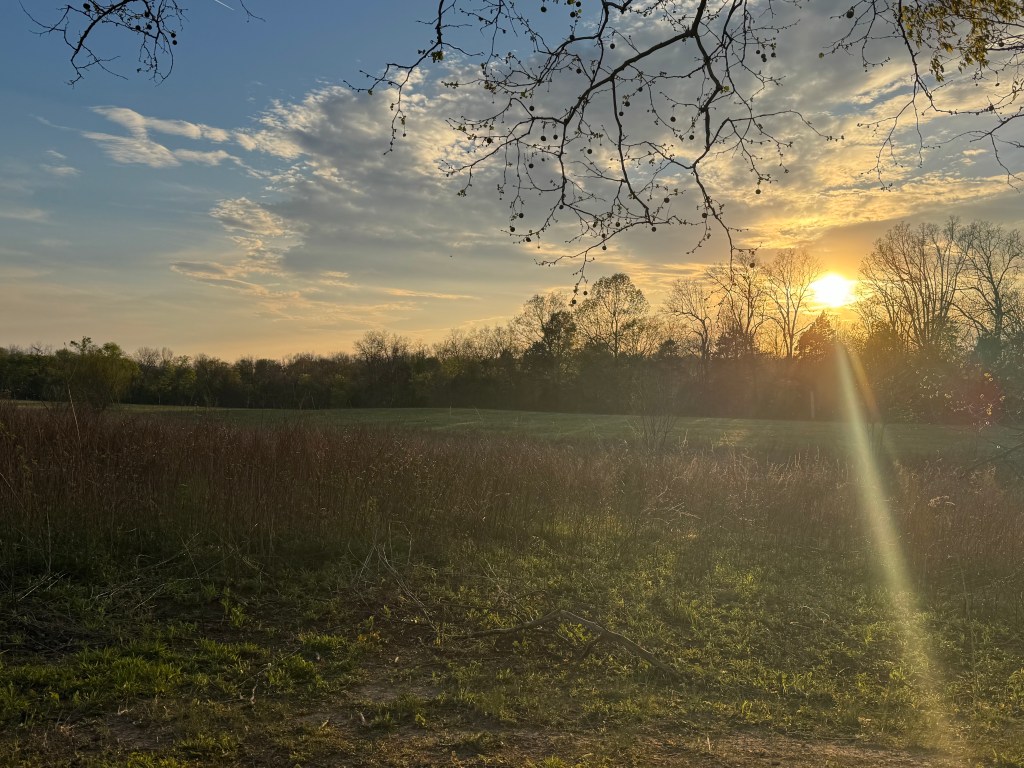
And we’re all down here scurrying around, in our blessed ray of sun, acting like we’ve got it all figured out. We don’t. I’m not sure our brains were formed with the capacity to really ever figure it all out, and maybe that’s part of the gift, too.

Life is serious business. It sure is. For every single human soul engaged in it.

But it’s gorgeous and funny and wonderful, too.

Sometimes it’s a foal born at 3:00 in the morning and your daughter accidentally butt dials you, and you wake up to a missed call and you’re terrified because you think it’s an emergency, but really it’s just the awesome news that she’s been over there helping that mama and her mama’s number is still pulled up in her phone.
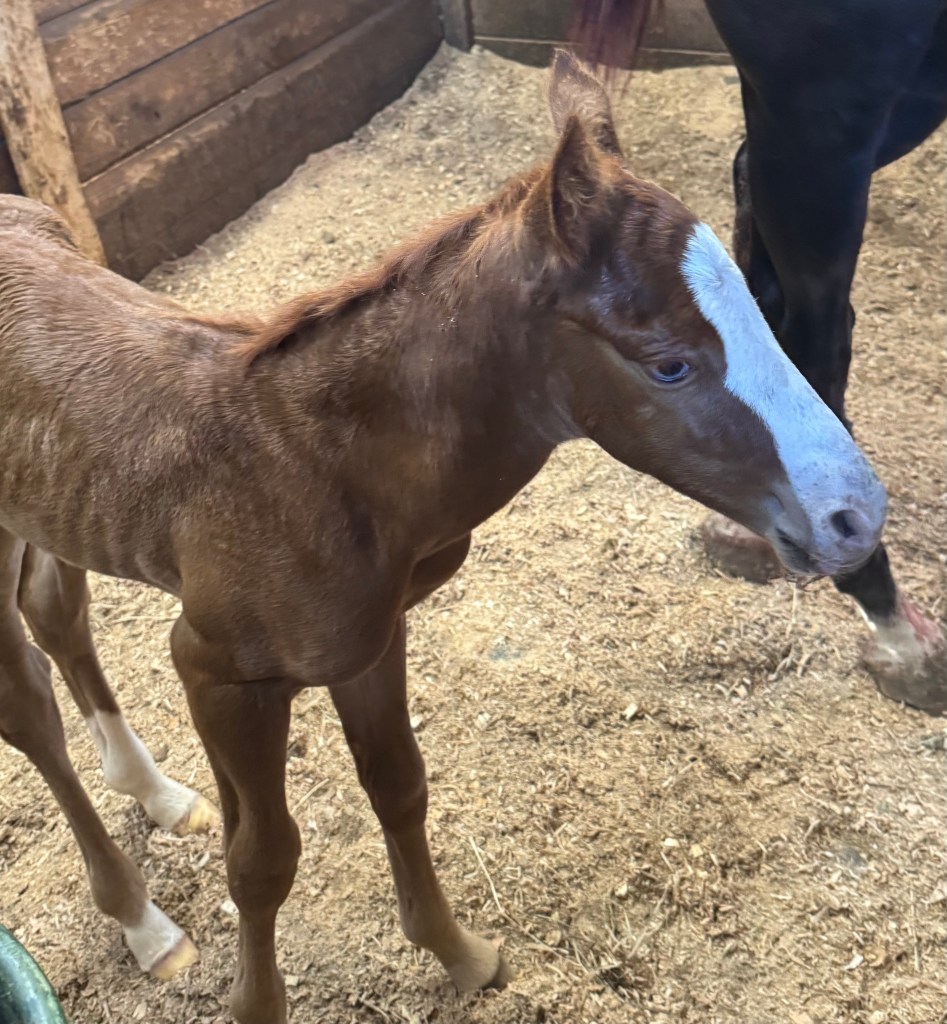
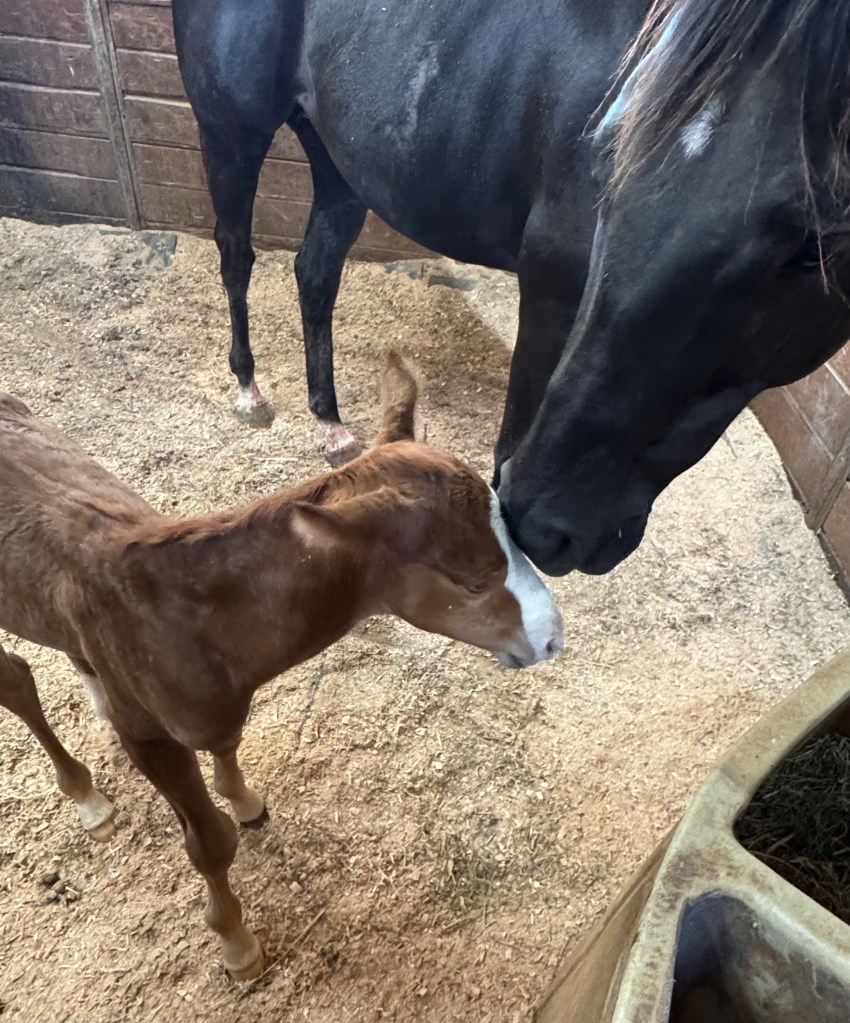
So you can’t go back to sleep but you do get to think about all the good stuff in the middle of the night, and be grateful for the ray of sun, for the birds, even, on most days, for the noise.
Standard

The Movies on Mother’s Day

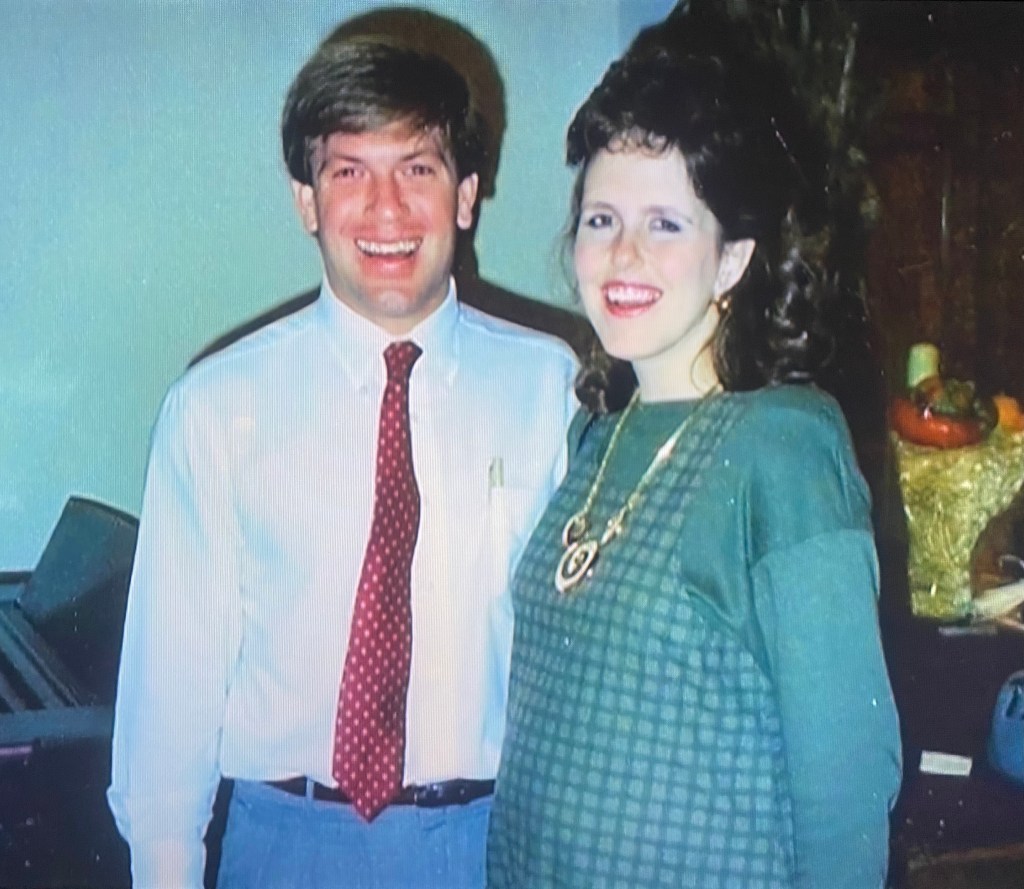
Thirty-five years ago I was young. So young. I had yet to pass thirty. Yet to find a gray hair. Yet to face the limits of a mother’s love.

                  I was pregnant with our second child while our first, a curly-haired, single-minded miracle, was doing her best to teach me how to mother. I was an anxious and distracted student. I learned on the fly, usually only after the hard, cold fact of a mistake.

                  Most days I sheer-will muscled my way through the spectre of worry that haunted me like one of Dickens’ ghosts—rising up from the past, the harried present, the whisper of fears yet to come.

                  Our second daughter was born. She came quickly, determined to make her entrance, and within minutes decisively peed all over me. Soon thereafter I went to the movies.

                  It was my first outing since coming home from the hospital some weeks earlier. My sister and mother had arrived for a visit. To Steel Magnolias we must go. I virtually demanded it.

                  I knew enough to know it was about mothers and daughters. That someone would die. My mother knew enough to know that a postpartum mother of two little girls should perhaps choose another entertainment.

                  But I was young. So young.

                  I saw M’Lynn’s grief when Shelby died. I saw it on the screen in front of me, but that wasn’t what I felt.

                  Thirty-five years ago the image I carried home was of Julia Roberts unconscious, while the spaghetti bubbled on the stove, her tow headed son squalling for his mother. I was young, and  this was my fear: that I would be unable to care for my children and they would be left untended. That it would be someone other than I who would shepherd them through their days.

                  As soon as possible, I taught them to sing the “back door” phone number to their father’s office. Pre-cell phone days, this was my emergency plan: the sing-songy, happy tune of ‘588-2300 Empire’ (yes, the carpet company commercial), set to “781-0808 Daddddyyyy”.

                  Such was the fortress I built around them.

                  Puny little fortress. Even I knew it was a house of cards.

                  Such was the pitiful defense I built for my heart.

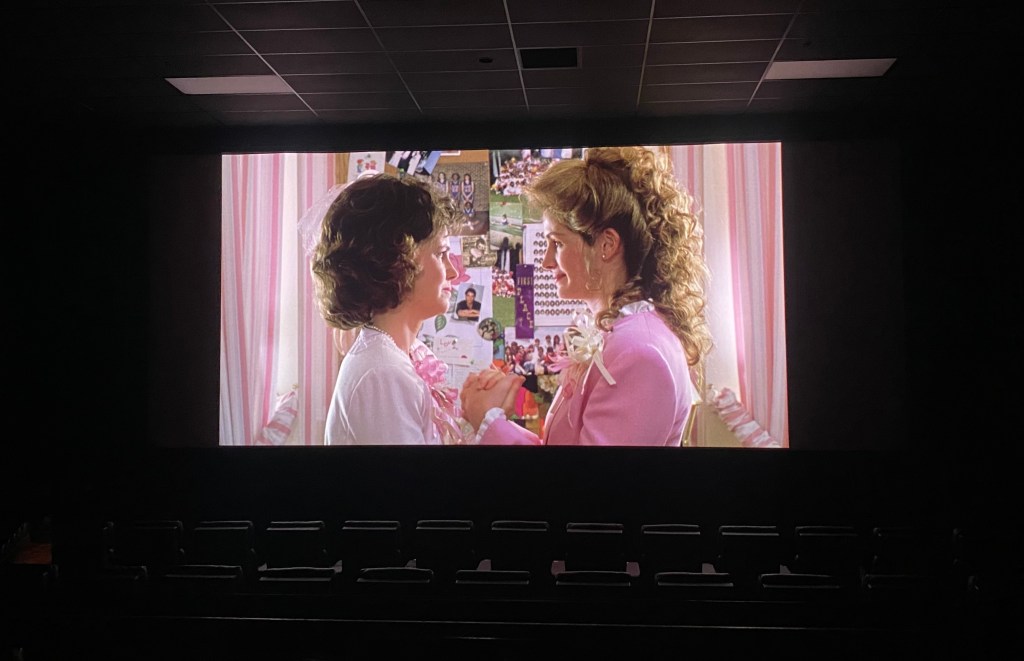
                  I saw the shadow of fear that crossed Sally Field’s face when her beautiful adult daughter made her own life decisions. I saw her dark head bent over her daughter’s lifeless hand, her tiny shoulders curved in, toward her own breaking heart.

But she was old.

I was young. So young.

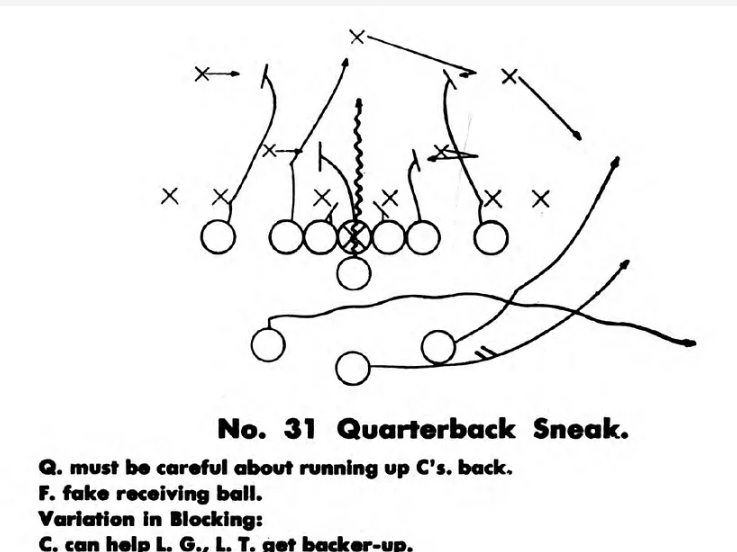
Thirty-five years ago I fancied myself a first string maternal quarterback, fleet of foot and nimble of mind. Brave enough to face any troubles the musclebound defensive line of life might pose. A juke left, a quick pivot right—I would sneak to the end zone with my heart fully intact.

                  Only life doesn’t work from a diagrammed plan.

                  Shelby’s (based on the real-life sister of writer Robert Harling) certainly hadn’t. But then,  neither had her mother’s.

                  A fact some thirty-five years ago I managed not even to notice.

                  This week I went back to the movies. The same Steel Magnolias that was my postpartum distraction, only now my seat mate was that same thirty-five year old baby, expecting her own soon-to-be fourth.

                  I know all the jokes, the collection of brilliant actresses who meld into a seamless clutch of female friendship, the blood red armadillo cake, the impossibly perfect Sam Shepard, the all-too-believable diabetic shock.

                  I had seen it all before, several times since. And it still holds up, because Harling lived what he wrote. It was real, so it is real.

                  This time, from the first frame, I was completely locked in with M’Lynn.

Doggedly working to give Shelby the pinkly-perfect blush and bashful wedding of the century.

Waving goodbye with a smile on her lips, the raucous celebration of friends and family surrounding her, but with the ever-present mother’s furrow on her brow.

Watching her daughter build a life that is hard, sometimes so very hard, but so beautiful.

Cracking egg after egg after egg as the fear rises in her breast.

Alone, running down a hospital hall, her heels clacking out the staccato beat of “I’m coming! I’m coming! I’m coming!”

Then finally, surrounded by her sister friends, these women who have stood beside her and held  her and her family all these years.

Watching these scenes for the umpteenth time I realize this:

I have never been the quarterback, reading the field and calling the plays and making miracles happen. And there’s no getting to the end zone unscathed, even if you are the quarterback.

What I’ve been is far better, because you can keep on keeping on long after the knees give out and the eyes can’t see and the helmet is gray.

I’ve been the water girl and the manager, the truck driver and the janitor, the schedule master and the bullhorn blower.

I’ve been the mom.

And the back door number, ringing straight through long after I am gone, the number set to the music of my own heart and theirs, will forever and always be exactly that:

 M-O-M.

Standard