The Movies on Mother’s Day

Thirty-five years ago I was young. So young. I had yet to pass thirty. Yet to find a gray hair. Yet to face the limits of a mother’s love.
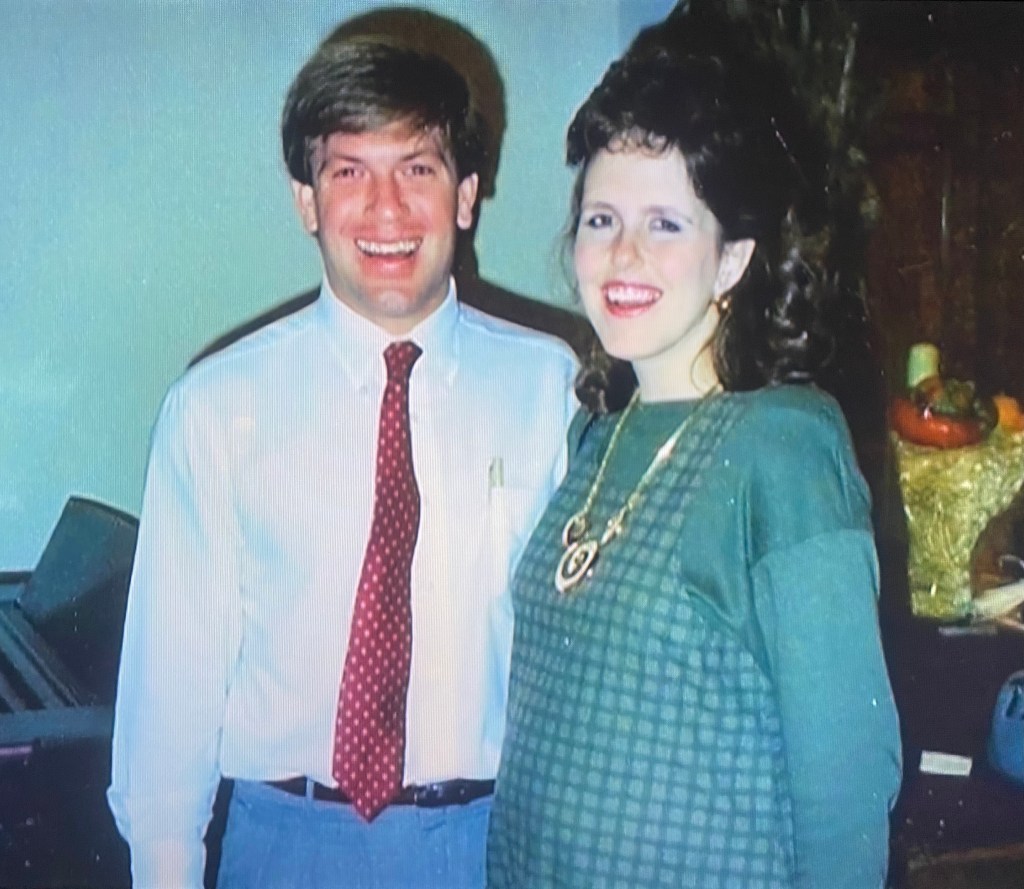
                  I was pregnant with our second child while our first, a curly-haired, single-minded miracle, was doing her best to teach me how to mother. I was an anxious and distracted student. I learned on the fly, usually only after the hard, cold fact of a mistake.

                  Most days I sheer-will muscled my way through the spectre of worry that haunted me like one of Dickens’ ghosts—rising up from the past, the harried present, the whisper of fears yet to come.

                  Our second daughter was born. She came quickly, determined to make her entrance, and within minutes decisively peed all over me. Soon thereafter I went to the movies.

                  It was my first outing since coming home from the hospital some weeks earlier. My sister and mother had arrived for a visit. To Steel Magnolias we must go. I virtually demanded it.

                  I knew enough to know it was about mothers and daughters. That someone would die. My mother knew enough to know that a postpartum mother of two little girls should perhaps choose another entertainment.

                  But I was young. So young.

                  I saw M’Lynn’s grief when Shelby died. I saw it on the screen in front of me, but that wasn’t what I felt.

                  Thirty-five years ago the image I carried home was of Julia Roberts unconscious, while the spaghetti bubbled on the stove, her tow headed son squalling for his mother. I was young, and  this was my fear: that I would be unable to care for my children and they would be left untended. That it would be someone other than I who would shepherd them through their days.

                  As soon as possible, I taught them to sing the “back door” phone number to their father’s office. Pre-cell phone days, this was my emergency plan: the sing-songy, happy tune of ‘588-2300 Empire’ (yes, the carpet company commercial), set to “781-0808 Daddddyyyy”.

                  Such was the fortress I built around them.

                  Puny little fortress. Even I knew it was a house of cards.

                  Such was the pitiful defense I built for my heart.

                  I saw the shadow of fear that crossed Sally Field’s face when her beautiful adult daughter made her own life decisions. I saw her dark head bent over her daughter’s lifeless hand, her tiny shoulders curved in, toward her own breaking heart.

But she was old.

I was young. So young.
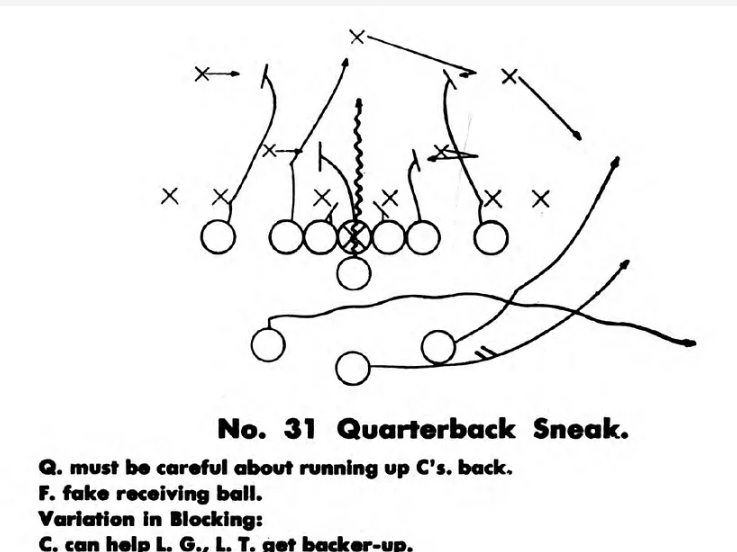
Thirty-five years ago I fancied myself a first string maternal quarterback, fleet of foot and nimble of mind. Brave enough to face any troubles the musclebound defensive line of life might pose. A juke left, a quick pivot right—I would sneak to the end zone with my heart fully intact.

                  Only life doesn’t work from a diagrammed plan.

                  Shelby’s (based on the real-life sister of writer Robert Harling) certainly hadn’t. But then,  neither had her mother’s.

                  A fact some thirty-five years ago I managed not even to notice.

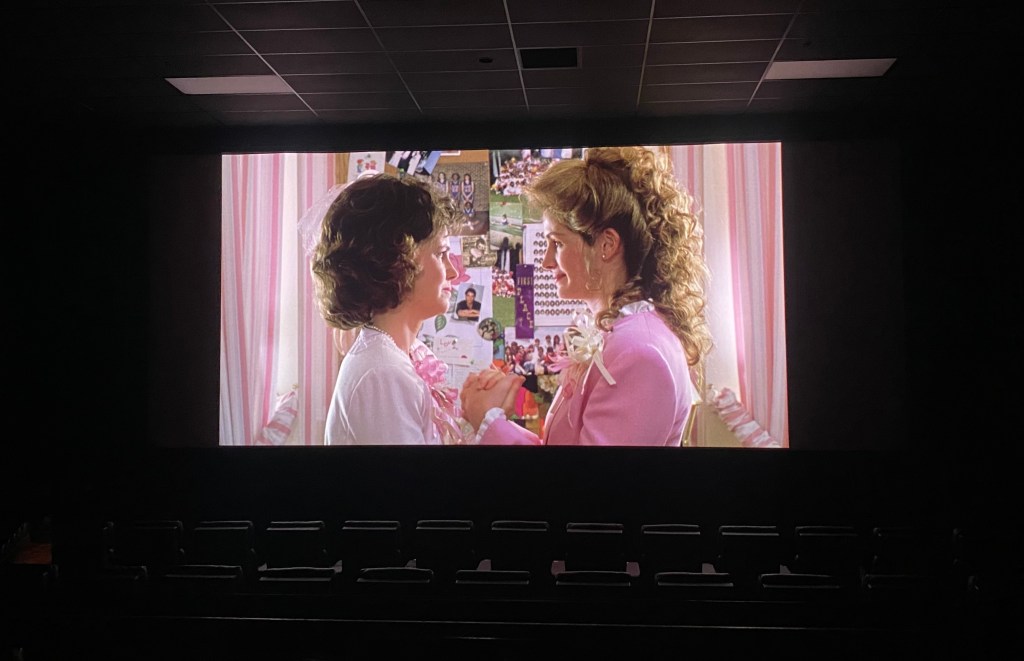
                  This week I went back to the movies. The same Steel Magnolias that was my postpartum distraction, only now my seat mate was that same thirty-five year old baby, expecting her own soon-to-be fourth.

                  I know all the jokes, the collection of brilliant actresses who meld into a seamless clutch of female friendship, the blood red armadillo cake, the impossibly perfect Sam Shepard, the all-too-believable diabetic shock.

                  I had seen it all before, several times since. And it still holds up, because Harling lived what he wrote. It was real, so it is real.

                  This time, from the first frame, I was completely locked in with M’Lynn.

Doggedly working to give Shelby the pinkly-perfect blush and bashful wedding of the century.

Waving goodbye with a smile on her lips, the raucous celebration of friends and family surrounding her, but with the ever-present mother’s furrow on her brow.

Watching her daughter build a life that is hard, sometimes so very hard, but so beautiful.

Cracking egg after egg after egg as the fear rises in her breast.

Alone, running down a hospital hall, her heels clacking out the staccato beat of “I’m coming! I’m coming! I’m coming!”

Then finally, surrounded by her sister friends, these women who have stood beside her and held  her and her family all these years.

Watching these scenes for the umpteenth time I realize this:

I have never been the quarterback, reading the field and calling the plays and making miracles happen. And there’s no getting to the end zone unscathed, even if you are the quarterback.

What I’ve been is far better, because you can keep on keeping on long after the knees give out and the eyes can’t see and the helmet is gray.

I’ve been the water girl and the manager, the truck driver and the janitor, the schedule master and the bullhorn blower.

I’ve been the mom.

And the back door number, ringing straight through long after I am gone, the number set to the music of my own heart and theirs, will forever and always be exactly that:

 M-O-M.
Standard

The Wild Ones

I have always been a nervous sort of person. Anxious. A nail biter and a forecaster of despair.

The man I married is not. When disaster strikes, he sees opportunity. When danger lurks, he plants his feet and declares boldly, “Bring it on!” I pay the insurance premiums, he climbs on the roof and jumps off.

Some twenty-two years ago, the roof jumper met a man of his own kind. A man the likes of which will never come again, and a man we will miss for the rest of our days.

November, 2000 we took a hard swerve out of the direction our lives were travelling and bought sixty acres in the country. We are not country folk. My husband rode his bike to school until his sophomore year. I have never lived more than a few a minutes from the public library.

We had a neighborhood lot in town. House plans. A builder. And then there was an auction sign.

Tom heard about Dick long before we ever knew him. Folks all over Alvaton said, “You’ve gotta meet Longobardo. He can fix any engine. Make anything run.” 

“Dick is the man.”

With the purchase of land naturally comes the acquisition of a used tractor. A bushhog. Anybody who has ever manhandled a bushhog knows the rule of ownership includes constant repair (especially when operated by a notorious roof jumper).

Running on two wheels with a cell phone in one hand and work documents in the other, Tom flew down the gravel drive that led to Dick’s barn (no barn this: a full-fledged master mechanic’s shop, complete with hydraulic lift, repair manuals dating back decades, more sockets, bolts, and grease than you can imagine). He leapt from his truck, unhitched the bushhog, and squealed off, no doubt still on the phone.

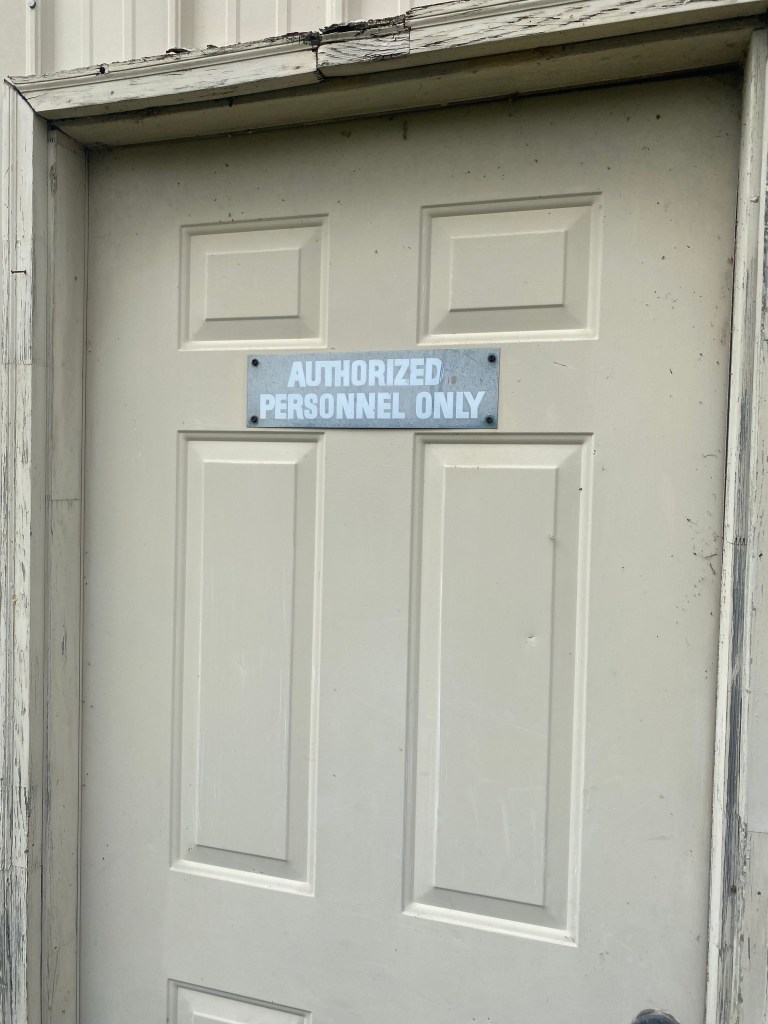
The Door to Dick Longobardo’s Machine Shop

Dick’s sister-in-law, a good Italian visiting from Chicago, watched from the kitchen window, certain Dick had been the unwitting victim of a crime.

Some days later, still having not met Dick, and without even a quick phone call to illuminate the bushhog’s ownership, Tom raced back down the gravel drive. Seeing the repairs had been made, and no one around with whom to settle up, he hitched up the apparatus and sped off.

The sister-in-law shrieked with concern that Dick would never be paid, he had been bushhogged himself, and the ne’er-do-well had made off with his fully repaired equipment. Dick merely shrugged and said, “He’ll be back.”

And Tom was back, more times than can be counted over the next twenty years. 

For these two had found in each other kindred spirits. Roof jumpers who never met a car fast enough, a motorcycle sleek enough, a challenge big enough.

They pushed and prodded each other in the way only two fatherless sons can. They became more than friends, and the bond was unbreakable.

In his late seventies, Dick helped set twenty-five foot 6×6 poles for a treehouse in our backyard. The project took hours. They didn’t stop until night fell and they were called in for supper. He could have kept going until midnight.

At his seventy-fifth birthday party he did figure eights on a four wheeler ATV in his backyard, where he flung himself skyward and came down with a crunch: a broken collar bone. But he never stopped riding that four wheeler. 

He frontloaded brush and trees into the biggest bonfires you have ever seen, and then brought his flamethrower to the party. He planted his own two feet and, like some Roman fire god, brought sky high flames to our back forty.

He fixed Cassie’s little bicycle and later, when she became a driver herself, he taught her how to change her brake light. 

He regaled us with story after story of the hard streets of Chicago, tank driving in Korea, fishing off the coast of California, and his beloved Uptown Garage, the thriving business he built with his own two hands.

With a simple word or two and a gleam in his eye, he recounted time and again the first moment he ever laid eyes on the love of his life for seventy-four years, Dottie. If you were lucky enough to hear him tell that story, you will never forget it. 

He laughed effortlessly and cried easily. Each year found his heart more tender, his sorrows more palpable. But he reveled in every day that he counted a blessing from God. 

At the end of July, at the age of ninety-three, Dick’s finely tuned machine of an Italian heart finally stopped beating. 

But the stories keep coming. 

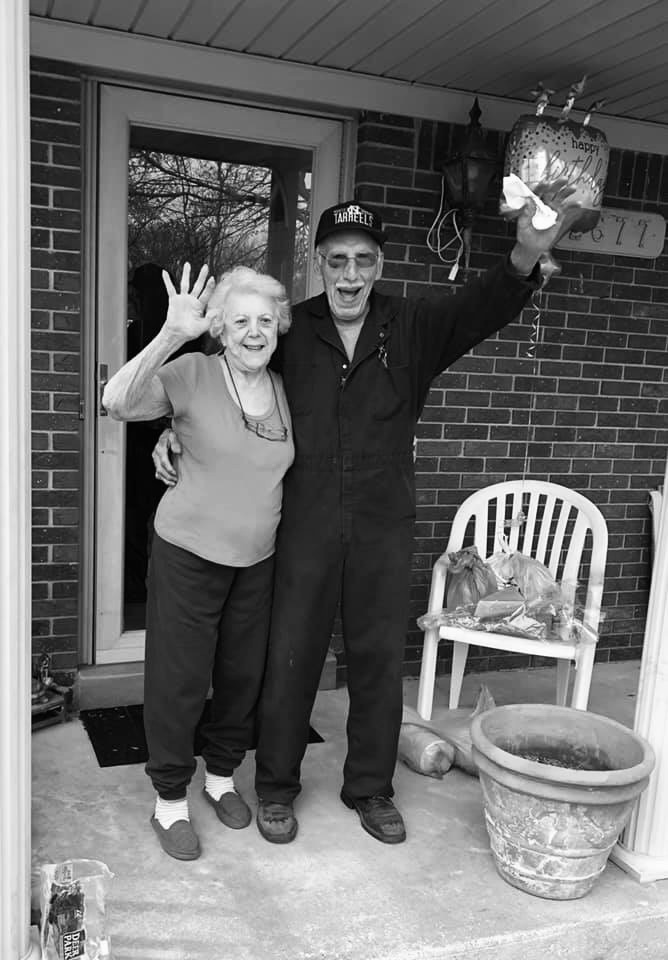
In February, 2021, at the peak of the pandemic, Tom took his own wild ride on a four wheeler, straight to Dick and Dottie’s, right up the steps and onto their back deck. Dick came to the door, his ever present thick blue bathrobe knotted around his already narrowing waist, in his warm scuffy slippers, and jammie pants. He watched the snowy madness, and shook his head at his alter ego.

He issued paternal warnings, watched with paternal concern. 

These two were the original wild ones of Alvaton, wild lives transformed by God, by love, by each other.

These two were the wild ones, together until the very end. 

All the while, I bit my nails. I watched and worried and forecast certain disaster.

But all the while I have been, and still am, so very glad.

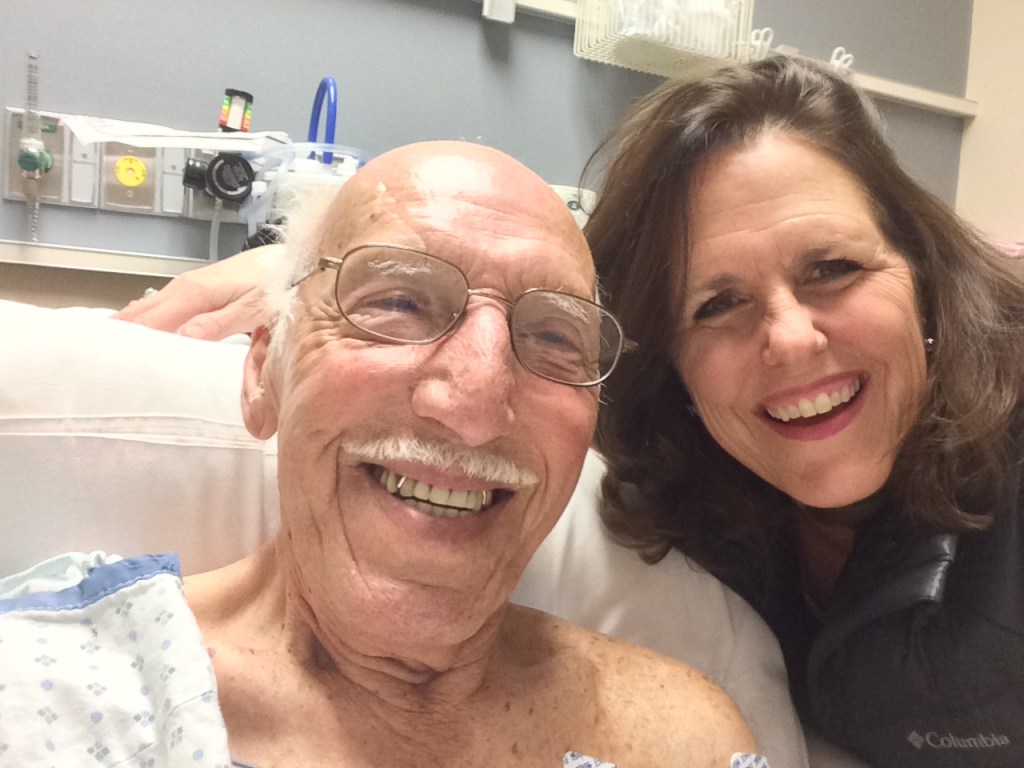
A conversation about The Wild Ones from Dick’s hospital bed

Standard