The Movies on Mother’s Day

Thirty-five years ago I was young. So young. I had yet to pass thirty. Yet to find a gray hair. Yet to face the limits of a mother’s love.
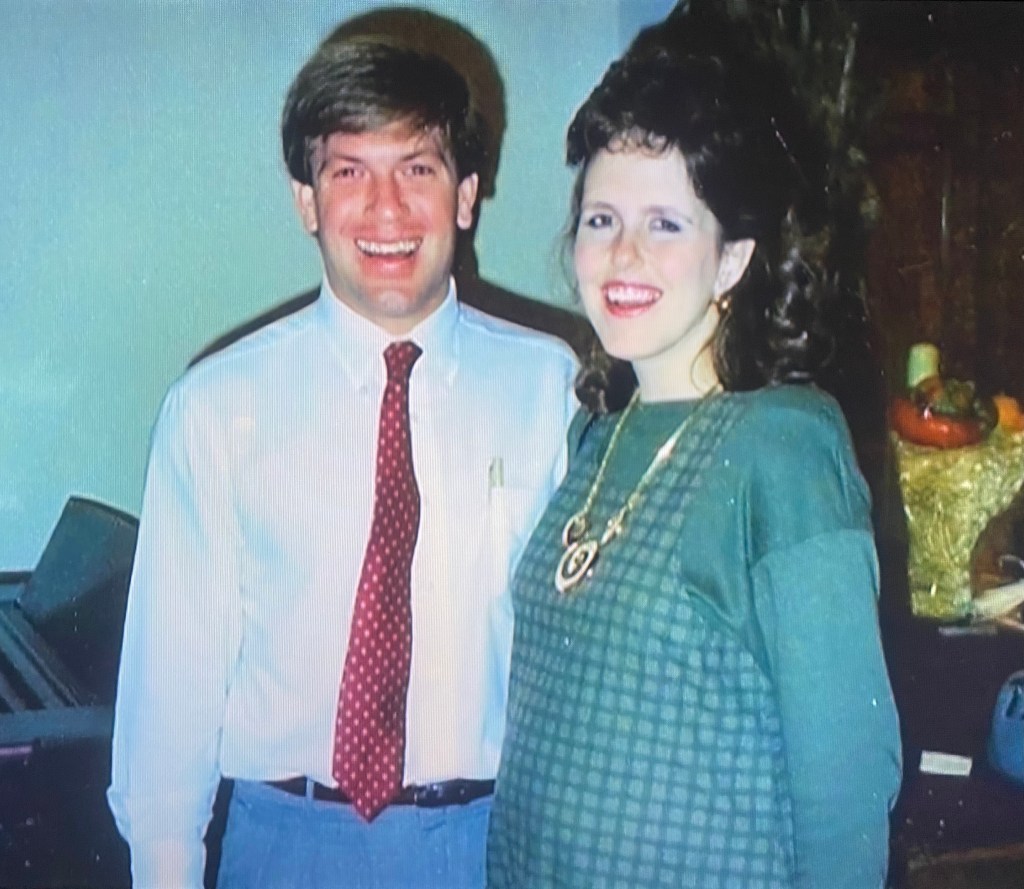
                  I was pregnant with our second child while our first, a curly-haired, single-minded miracle, was doing her best to teach me how to mother. I was an anxious and distracted student. I learned on the fly, usually only after the hard, cold fact of a mistake.

                  Most days I sheer-will muscled my way through the spectre of worry that haunted me like one of Dickens’ ghosts—rising up from the past, the harried present, the whisper of fears yet to come.

                  Our second daughter was born. She came quickly, determined to make her entrance, and within minutes decisively peed all over me. Soon thereafter I went to the movies.

                  It was my first outing since coming home from the hospital some weeks earlier. My sister and mother had arrived for a visit. To Steel Magnolias we must go. I virtually demanded it.

                  I knew enough to know it was about mothers and daughters. That someone would die. My mother knew enough to know that a postpartum mother of two little girls should perhaps choose another entertainment.

                  But I was young. So young.

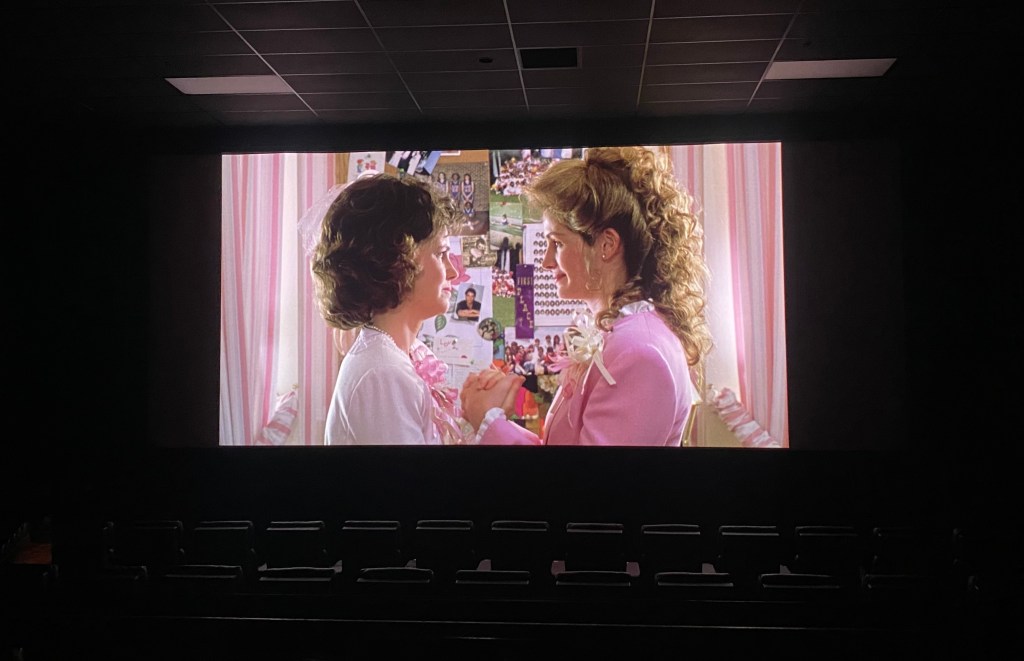
                  I saw M’Lynn’s grief when Shelby died. I saw it on the screen in front of me, but that wasn’t what I felt.

                  Thirty-five years ago the image I carried home was of Julia Roberts unconscious, while the spaghetti bubbled on the stove, her tow headed son squalling for his mother. I was young, and  this was my fear: that I would be unable to care for my children and they would be left untended. That it would be someone other than I who would shepherd them through their days.

                  As soon as possible, I taught them to sing the “back door” phone number to their father’s office. Pre-cell phone days, this was my emergency plan: the sing-songy, happy tune of ‘588-2300 Empire’ (yes, the carpet company commercial), set to “781-0808 Daddddyyyy”.

                  Such was the fortress I built around them.

                  Puny little fortress. Even I knew it was a house of cards.

                  Such was the pitiful defense I built for my heart.

                  I saw the shadow of fear that crossed Sally Field’s face when her beautiful adult daughter made her own life decisions. I saw her dark head bent over her daughter’s lifeless hand, her tiny shoulders curved in, toward her own breaking heart.

But she was old.

I was young. So young.
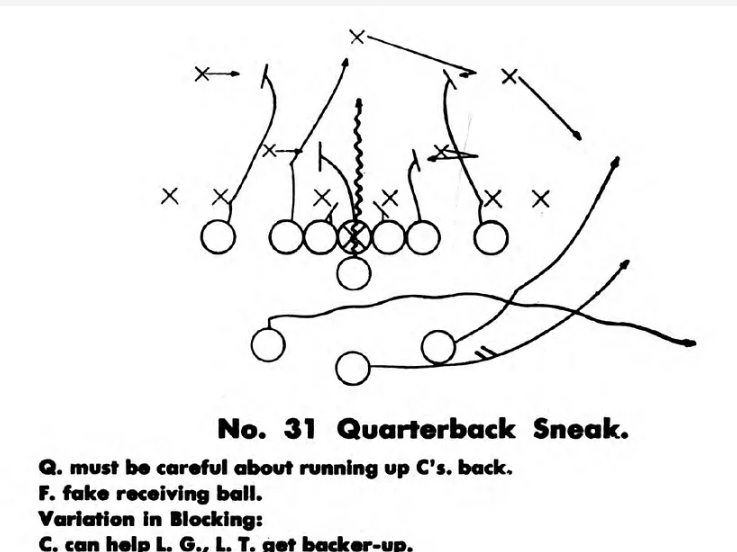
Thirty-five years ago I fancied myself a first string maternal quarterback, fleet of foot and nimble of mind. Brave enough to face any troubles the musclebound defensive line of life might pose. A juke left, a quick pivot right—I would sneak to the end zone with my heart fully intact.

                  Only life doesn’t work from a diagrammed plan.

                  Shelby’s (based on the real-life sister of writer Robert Harling) certainly hadn’t. But then,  neither had her mother’s.

                  A fact some thirty-five years ago I managed not even to notice.

                  This week I went back to the movies. The same Steel Magnolias that was my postpartum distraction, only now my seat mate was that same thirty-five year old baby, expecting her own soon-to-be fourth.

                  I know all the jokes, the collection of brilliant actresses who meld into a seamless clutch of female friendship, the blood red armadillo cake, the impossibly perfect Sam Shepard, the all-too-believable diabetic shock.

                  I had seen it all before, several times since. And it still holds up, because Harling lived what he wrote. It was real, so it is real.

                  This time, from the first frame, I was completely locked in with M’Lynn.

Doggedly working to give Shelby the pinkly-perfect blush and bashful wedding of the century.

Waving goodbye with a smile on her lips, the raucous celebration of friends and family surrounding her, but with the ever-present mother’s furrow on her brow.

Watching her daughter build a life that is hard, sometimes so very hard, but so beautiful.

Cracking egg after egg after egg as the fear rises in her breast.

Alone, running down a hospital hall, her heels clacking out the staccato beat of “I’m coming! I’m coming! I’m coming!”

Then finally, surrounded by her sister friends, these women who have stood beside her and held  her and her family all these years.

Watching these scenes for the umpteenth time I realize this:

I have never been the quarterback, reading the field and calling the plays and making miracles happen. And there’s no getting to the end zone unscathed, even if you are the quarterback.

What I’ve been is far better, because you can keep on keeping on long after the knees give out and the eyes can’t see and the helmet is gray.

I’ve been the water girl and the manager, the truck driver and the janitor, the schedule master and the bullhorn blower.

I’ve been the mom.

And the back door number, ringing straight through long after I am gone, the number set to the music of my own heart and theirs, will forever and always be exactly that:

 M-O-M.
Standard

Always Somewhere

Saturday was the blustery gray sort of day that sometimes slams itself right in between a Friday and Sunday of such golden beauty you almost forgive it for being a gloomy slog-fest. Wind gusts that require two hands on the steering wheel. Driving rain. Leaden skies.

All day, all weekend, all week, television and radio across the country had screamed with high-pitched hysteria of coming elections and the certain demise of democracy—a forecast of doom that seems to be shared by all comers, be they blue or red. Social media continued in its unrelenting machinations to twist us all into homegrown enemies with quivering fingers poised to pounce on the phone or the keyboard.

On this wet, gray Saturday I turned it off and went to the funeral of a good man I barely knew. 

A man I wish I knew better.

And it was the sort of funeral I wish each of you could experience, no matter your faith or choice to have none, your age, family situation, chosen work, politics, or any other 21st century descriptor we tack on ourselves and each other.

I first met Grant Minton back in January, a much colder, gloomy gray day, across a spiritless table in a spiritless room. No worries. He brought the spirit with him.

We talked about Hospice of Southern Kentucky, the organization that had brought us together. He was sharp, concise, focused. He crackled with humor, and he never lost sight of what was at the rock bottom foundation of every single thing we were about: our patients and their families.

The traffic accident that caused the injuries that ended up taking his life occurred on his way home at the end of his chaplain’s workday, travelling from a patient’s house to the parsonage he shared with his wife, Tonda, for 27 years at Cumberland Presbyterian Church in Auburn, Kentucky.

Today the church parking lot was full to bursting. I lucked into the very last spot and picked my way in ill-fitting shoes across the puddled pavement, where I was welcomed through a flower-decked door and ushered through the fellowship hall, already warm with the post-funeral meal. I heard the consistent hum of voices, but stopped short at what I found at the top of the stairs.

Photo Courtesy of Auburn Cumberland Presbyterian Church

A beautiful historic sanctuary filled to bursting with people of all ages. Folks older than I, children with their young parents, babes in arms. And not a chair to be had on this gray afternoon.

Why? Because Grant Minton was that sort of guy.

A few weeks shy of his 72nd birthday Grant showed no sign of slowing down. Until last week he pastored this vitally humming church, and worked full-time tending to the dying and their families throughout southcentral Kentucky.

Here’s just a few of the things I learned on Saturday, things I want you to know, too.

Grant had four sons–two were his by birth, two he raised by choice with their mother. All four of those men spoke about their dad, each in ways particular to himself. The image they drew in that stain-glassed room was of a man committed to all people, no matter who they might be or where he might find them.

No matter if they shared his belief in his God. No matter if they had questions. No matter the rejection he could and often did find. He loved them all. 

Grant was prepared. Every single day he carried two things in his pocket: a handkerchief (yes, a real handkerchief), and a pocket knife.

On this day every member of that family, down to the youngest grandchild, held snowy white handkerchiefs pressed to perfection, put to good and frequent use in memory of him.

Grant never gave up, on his family, on his church, on his patients. Simply put: he cared too much to ever stop trying. 

Last week a Hospice nurse shared about a patient who had been reluctant to talk with him. Grant plopped down on the toilet seat pulled up close to her bedside, and right before our nurse’s eyes he won her heart and held her hand.

That’s Grant Minton.

I never knew Grant’s politics. Come to think of it, I don’t know the politics of any person at Hospice. When we come together all that matters are the people before us–the people who reach for a hand, or a hug, or for someone to do nothing more than look them right in the eye.

Grant looked and saw and felt–the man, woman or child before him—saw them as they were in that moment. Because that’s the only thing that mattered.

He was prepared for that moment in ways I wish I could be.

While I stood and listened to his sons’ words and gazed at the light in those stained glass windows, I thought about the people gathered there—all brought together because of this one man.

Members of Grant’s Hospice team waved me on my way

The Hospice doctor who whispered, “I’ll miss talking to him at our meetings every week. I learned about the patients, but that’s when I learned about him, too.”

The nurse and the social worker who saw and shared the results of his work.

His fellow chaplains, members of their mighty band of three, who traversed miles and miles of roads with cell phones buzzing between them—details and camaraderie shared by those three alone.

The young medical resident a mere few days into his Hospice rotation. He’d never even met Grant, but on this rainy afternoon he left his own little family because he knew the team was really going to miss him, and he wanted to be there to honor him, too.

How? How does a single person make that kind of ripple throughout everyone he meets (or maybe has never even encountered?)

One of his sons shared that as the family tenderly went through his things they found a quote written in Grant’s own hand in the back of his Bible:

“I can’t be everywhere, but I’m always somewhere.”

Those words have not left me. I don’t believe they ever will.

I wish each of you could have been with me on that gray Saturday.

I wish those loudly histrionic voices from far away preaching gloom and doom and hate for each other had been there, too.

Because it was real. Because it mattered. Because it will always matter.

Because none of us can be everywhere. But each and every one of us is now, and always will be, somewhere.

I hope I’m a fraction as ready to love somebody, in my little somewhere, as Grant Minton was in his great big one.

Standard